

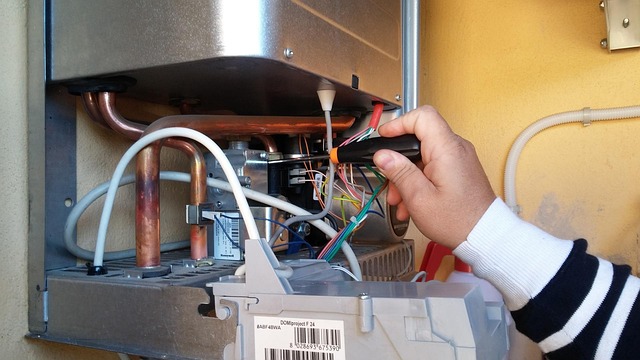
Water heater installation and repair sits at the intersection of plumbing, gas fitting, and electrical work depending on the unit type — which makes it a category of home service where the qualification of the person doing the work matters more than it does for simpler appliance repairs. A washing machine hookup gone wrong floods a laundry room. A water heater connection done incorrectly can produce a gas leak, a carbon monoxide situation, or a catastrophic tank failure with significantly more serious consequences.
This isn’t a reason to treat water heater work as more complicated than it is — most installations are straightforward when the person doing them has the right training and experience. It is a reason to pay attention to who is actually doing the work rather than treating it as a commodity where the lowest bid produces the same result as any other.
The distinction between a general handyman doing a water heater swap and a water heater plumber doing the same job shows up in specific places. The gas connection — whether it’s made correctly, to appropriate specifications, with the right fittings for the fuel type and pressure. The venting — whether it’s configured to code for the specific unit type, with proper clearances and correct materials. The pressure relief valve discharge — whether it’s piped to drain correctly rather than terminating in a location that creates a safety hazard if the valve opens. These aren’t visible differences in the finished installation, but they’re the differences that matter when something goes wrong.
The Hot Water Heater Pros provides water heater plumber services across the service area with the technical qualifications that water heater work specifically requires — not general handyman service applied to a plumbing task.
Read more:
- 5 Tips for Water Heater Repairs or Preventive Maintenance
- Long-Term Savings: Calculating the Economic Benefits of Investing in a Water Softener Company
- Why Do Homeowners Experience Frequent Plumbing Issues? 5 Common Causes
What Proper Water Heater Connections Actually Involve
The water connections on a tank water heater — the cold supply inlet and the hot water outlet — seem like the simplest part of the installation. In practice they’re where several failure points concentrate. Flexible connectors that are improperly sized, over-torqued, or made with incompatible materials fail over time in ways that produce leaks ranging from slow drips to significant water events depending on how the failure develops.
Dielectric unions — the fittings that prevent galvanic corrosion where copper pipe meets steel tank connections — are a code requirement that’s frequently omitted in rushed or casual installations. Without them, the dissimilar metal connection corrodes progressively, eventually producing connection failures that look like tank leaks from the outside and can be misdiagnosed as tank failure when the connection is the actual problem.
The expansion tank installation that’s required on closed plumbing systems is a plumbing task that extends beyond the water heater itself — requiring proper sizing for the home’s plumbing volume and working pressure, correct placement on the cold supply line, and a pre-charge pressure that matches the home’s incoming water pressure. An undersized or improperly charged expansion tank doesn’t perform its function, which allows pressure to build in the system in ways that affect both the water heater’s performance and the longevity of other plumbing fixtures throughout the home.
What Gas Water Heater Connections Require Beyond the Plumbing
Gas water heater installation involves a gas connection that needs to be made to specific code requirements — correct pipe sizing for the BTU demand of the unit, proper joint compound or tape for the fuel type, and a leak test after connection before the unit is operated. The flexible gas connectors used at the appliance connection point are rated for specific pressures and have limited service lives that should be replaced rather than reused when a unit is replaced.
The Hot Water Heater Pros approaches every water heater installation with the full scope of what proper installation involves — water connections, gas connections where applicable, venting, expansion tank, pressure relief valve discharge, and permit compliance. For homeowners who want the work done correctly rather than just completed, that comprehensive approach is what the distinction between a water heater plumber and a general service call actually means.