

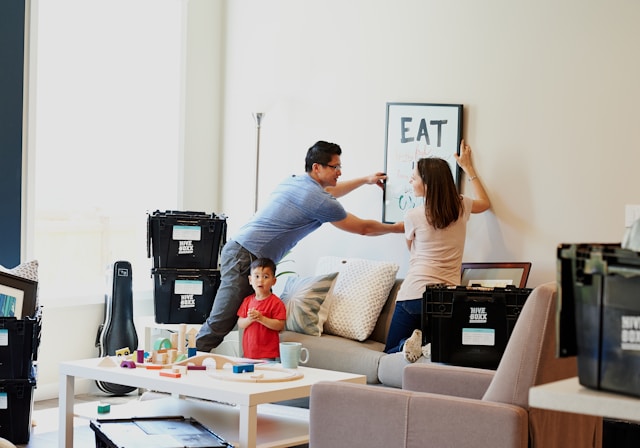
A controlled chaos best describes moving. Add in a baby, a toddler, a missing sock, food on the floor, random screaming at two in the morning, and packing even one box starts to feel like a monumental challenge.
Children have no understanding of lease timelines and deadlines.
They want to keep the same bedtime, carry the same Stuffed Rabbit or whatever, and eat their yogurt from their favorite, same bowl.
That is where parents begin to feel really, really overwhelmed. This is not because of the moving process itself. Relocating is like an important logistical exercise for adults, but for the children, it’s like the whole world quieting and disappearing.
Lower the Expectation of a “Perfect” Move
Much of the anxiety surrounding moving is alleviated when you lower the expectation that moving without chaos is possible. It is likely that moving without chaos will not happen. There will be half-packed boxes, unfinished coffee, packing tape stuck to your clothing, and one of your children sitting on the floor, refusing to wear shoes for the philosophy of it.
Underestimating the time you need to adequately prepare is a mistake many parents make when moving. Families with young children tend to greatly underestimate the time it takes to pack when lunch, nap times, pick up, and of course, tantrums, need to be scheduled into the day.
One hour of uninterrupted packing with toddlers around is basically fiction.
Instead of trying to finish entire rooms in one day, break everything into tiny tasks. One drawer. One shelf. One closet. It keeps the house functional longer and makes the process feel less like a disaster zone.
Children also react better when they can still recognize their environment.
Read more:
- Smart Moves: How Upgrading to a New Bank Can Help Your Family Financially
- How to Avoid Last-Minute Chaos During a Move
- What Sets Professional Movers Apart From DIY Moving
Keep Familiar Routines as Long as Possible
Do not rush to pack their favorite things first. Keep familiar toys, blankets, bedtime books, pajamas, and feeding supplies accessible until the final days. Parents sometimes make the mistake of packing the nursery early because it seems “efficient.” Then everybody pays for it emotionally three nights later.
Toddlers especially notice routine changes immediately.
Try to protect the parts of the day that normally make them feel safe. Same bedtime. Same snacks. Same cartoon after dinner. Same nightlight. Small, predictable rituals matter more during moving weeks than most parents expect.
Talk to Kids Honestly About the Move
If your child is old enough to understand basic conversations, involve them a little. Not with fake excitement. Kids usually detect that instantly.
Simple honesty works better.
“We are moving to a new home. Your toys are coming too. Your bed is coming too.”
That level of explanation is enough for many toddlers.
Giving small responsibilities can also calm anxiety. Let them carry soft toys into boxes. Let them choose which stickers go on their moving box. Let them “help” with tape, even if it slows everything down by twenty minutes.
The point is not efficiency.
The point is making the move feel less scary.
Prepare for Moving Day Survival Mode
When childcare is impossible, prepare a separate survival bag before the movers arrive.
Not one diaper.
Not two.
More than you think is reasonable.
Another thing families regret later is forgetting about safety inside both homes. During a move, doors stay open, furniture shifts constantly, sharp tools appear everywhere, and adults get distracted.
Children notice all of it.
Professional movers can reduce a surprising amount of stress here because parents stop trying to carry furniture while simultaneously parenting exhausted children. Companies like Move4U Movers understand that family relocations are rarely calm, polished events. They move around real life. Strollers in hallways, feeding breaks, nap schedules, nervous parents, delayed elevators, all of it.
That matters more than people think.
The Emotional Side Starts After Arrival
It’s rare to see the emotional effects of relocating with children until you are in your new home.
Try not to unpack the entire house immediately while running on four hours of sleep and caffeine. Focus on making key spaces functional first. Beds. Bathroom. Kitchen. Baby supplies.
Nobody wins awards for unpacking decorative candles on day one.
Children settle faster when they see familiar objects return around them. The same blanket. The same bedtime routine. The same chair where books are read before sleep.
That sense of continuity matters more than perfect organization.
Give the New House Time to Feel Like Home
Families often pressure themselves to turn the new house into a finished home immediately. Realistically, it takes time. Sometimes weeks. Sometimes months.
And honestly, most kids do not care whether the wall art is hung perfectly.
They care that parents feel emotionally available.
Moving is more manageable for the adults when a perfect transition is no longer the goal and the focus is on patience and simple, predictable routines. The stress fades, and the boxes are gone. Children adjust faster than their parents expect, even the parents who are severely fatigued.
Even if the first week feels like everybody is surviving on crackers and chaos.