

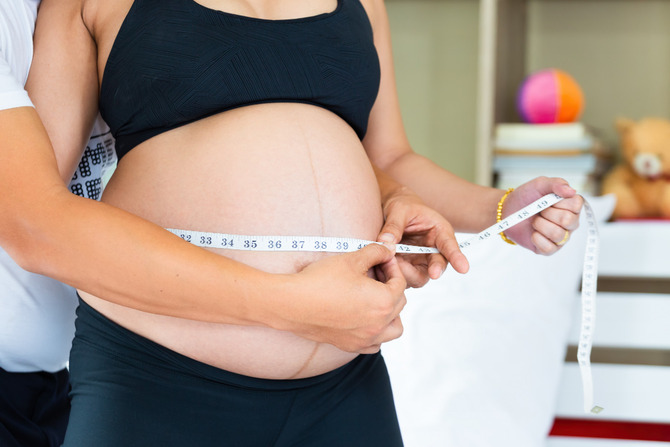
Pregnancy reshapes the body in ways that are both visible and structural, and while many changes gradually soften with time, others remain long after recovery feels complete. Women often notice these shifts once daily routines stabilize again, particularly when strength returns, but contour does not follow suit.
In cities like San Diego, where active lifestyles are highly regarded, these lingering differences sometimes become more apparent during exercise or when changing clothes rather than in the mirror alone. The intention behind exploring solutions is rarely about undoing motherhood. It is about restoring balance, support, and familiarity in a body that has carried new life.
A mommy makeover is designed to address these changes in a coordinated, thoughtful way.
Read more:
- How Do Surgeons Customize a Mommy Makeover for Different Body Types?
- My Body is Ruined After Having a Baby: How to Go Back to Normal?
- Can a Weight Loss Clinic Help You Post-Baby?
1. Abdominal Muscle Separation
Pregnancy places sustained pressure on the abdominal wall, and for many women, the muscles separate to accommodate growth. This condition, known as diastasis recti, does not always resolve naturally after childbirth. Even with dedicated exercise, the abdominal area may continue to appear distended or feel weak because the issue lies beneath the surface rather than within the skin itself.
When women begin considering a mommy makeover in San Diego, the conversation often shifts toward structural repair instead of surface tightening. As a result, at practices like Gupta Plastic Surgery, consultations tend to include evaluation of muscle integrity and core alignment.
This allows surgeons to determine how rebuilding support can improve both contour and physical stability. Addressing this separation frequently influences posture and daily comfort, making it more than an aesthetic concern.
2. Loss of Breast Volume and Support
Pregnancy and breastfeeding place natural demands on breast tissue that can change both volume and internal support. Many women notice that while some fullness returns after weaning, the shape does not always follow the same pattern. Upper fullness may soften, projection may lessen, or the breast may sit differently on the chest wall.
The shift is not always dramatic, yet it can influence how clothing fits and how the upper body feels in proportion to the rest of the frame. Some women describe the difference as a subtle loss of lift rather than a decrease in size, which can alter posture and balance.
Restoration in this context focuses less on enlargement and more on repositioning tissue so that the breast aligns naturally with the body’s current structure. When contour matches the frame again, the change feels supportive rather than transformative.
3. Persistent Skin Laxity
Skin stretches significantly during pregnancy to accommodate growth, and while elasticity allows much of that expansion to recover, it does not always return to its original size. Loose or excess skin may remain across the abdomen or waist even when weight stabilizes, and muscle tone improves.
This lingering laxity can affect both movement and comfort, especially during physical activity. Some women find that certain fabrics sit differently or that the abdomen feels less supported during motion.
Addressing this concern involves repositioning rather than tightening alone. When skin aligns more closely with the underlying structure, the body tends to feel more stable and proportionate during everyday activity.
4. Altered Waist-to-Hip Balance
Pregnancy often changes how volume is distributed through the torso, influencing the relationship between waistline and hips. Some women notice a reduction in natural waist definition, while others experience fullness settling differently along the flanks.
These changes can make the silhouette feel unfamiliar even when the overall weight returns to baseline. Clothing may fit differently through the midsection, and the balance between upper and lower body proportions may shift.
Restoring harmony in this area focuses on refining transitions rather than reshaping identity. When the waist once again complements the hips and torso length, the body appears aligned with its natural framework.
5. Stubborn Localized Fat
Hormonal shifts influence where fat is stored during pregnancy, and certain deposits may remain resistant to exercise or nutritional adjustments afterward. These areas commonly develop around the lower abdomen, thighs, or sides of the waist.
Even with consistent effort, localized fullness can persist because its presence is hormonally influenced rather than purely lifestyle-based. This can create uneven transitions between body zones.
Selective contouring supports smoother proportions across the torso, allowing individual areas to integrate more naturally with the surrounding structure.
6. Core and Lower Back Compensation
When abdominal support changes, the lower back frequently compensates to maintain stability. Over time, this adaptation can influence posture or contribute to subtle discomfort during prolonged standing or activity.
Reinforcing structural support through abdominal restoration helps reduce this imbalance, allowing the spine to function more naturally. Improved alignment can influence how the body feels throughout daily routines, particularly during lifting or movement.
Support at the core often translates into comfort elsewhere.
7. Overall Body Harmony
Pregnancy rarely alters a single area in isolation. Instead, small differences across the abdomen, chest, and waist combine to influence how the body feels as a whole.
These cumulative shifts may not appear dramatic individually, yet together they can affect proportion and balance. A coordinated approach allows adjustments to complement one another rather than addressing each area separately.
Harmony develops through alignment across the body, allowing the final outcome to feel cohesive rather than segmented.
Conclusion
Post-pregnancy changes reflect the body’s remarkable ability to adapt, yet restoring structural balance can play an important role in long-term comfort and confidence. A mommy makeover is designed to respond to these shifts in a way that supports both function and proportion, allowing the body to feel cohesive again without losing its natural identity.