

Motherhood reshapes more than routines and priorities. It reshapes the body in ways that don’t always reverse with time.
In places like Charlotte, NC, many women begin exploring cosmetic options only after giving themselves space to heal, exercise, and adjust — and realizing certain physical changes remain.
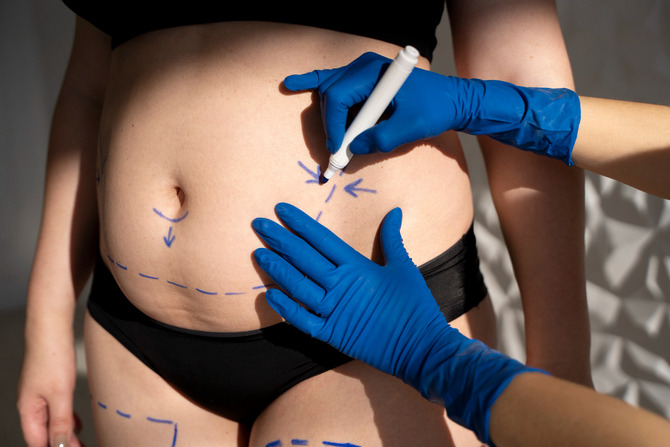
A mommy makeover isn’t a fixed procedure. It’s a combination of surgeries selected and adjusted based on anatomy, skin quality, fat distribution, muscle separation, and personal goals. No two women carry a pregnancy the same way, which means no two surgical plans look identical either.
Here’s how surgeons tailor the approach depending on body type and lifestyle.
Read more:
- My Body is Ruined After Having a Baby: How to Go Back to Normal?
- Can a Weight Loss Clinic Help You Post-Baby?
1. Natural Body Shape Sets the Foundation
The starting point is always proportion. Some women naturally carry more weight through the hips and thighs. Others gain centrally through the abdomen. Some lose upper body volume while maintaining lower body curves.
During consultations for a mommy makeover Charlotte NC, many women are surprised to learn that planning begins with the overall silhouette rather than individual areas. That’s why at places like PPSD, surgeons study rib cage width, hip structure, torso length, and shoulder balance before recommending procedure combinations. This ensures that any enhancement maintains harmony rather than shifting proportions unnaturally.
A makeover built around body type enhances what’s already there instead of reshaping it into something unfamiliar.
2. Skin Elasticity Changes What’s Surgically Possible
Two women can have similar measurements but very different skin behavior. Elasticity determines how well tissue will contract after fat removal and how much excess skin requires tightening.
If the skin rebounds well, liposuction combined with minimal tightening may achieve the desired result. When laxity is more significant — especially after multiple pregnancies — a tummy tuck may be necessary to remove excess skin and restore contour.
Exercise improves muscle tone. It doesn’t tighten loose skin.
Surgeons assess how the tissue responds physically during examination, because long-term outcomes depend heavily on this variable.
3. Muscle Separation Requires Structural Repair
Pregnancy can stretch the abdominal wall beyond what it naturally recovers from. Diastasis recti — separation of the abdominal muscles — creates a persistent bulge that no amount of core strengthening can fully correct. This isn’t a cosmetic issue alone. It’s structural.
When muscle repair is included in a mommy makeover, it narrows the waist and stabilizes the core. Without addressing it, surface contouring may improve appearance but leave the underlying weakness intact. Structural correction changes the entire result.
4. Breast Changes Are Evaluated Independently
Breast tissue responds differently to pregnancy and breastfeeding depending on genetics, age, and weight fluctuations. Some women experience volume loss. Others notice sagging without major deflation. A few feel heavy and prefer reduction.
Customization comes from evaluating skin quality, nipple position, and existing volume. The surgical plan may include a lift, implants, implant removal, or fat grafting — sometimes in combination.
The objective isn’t size alone. It’s balanced relative to the torso and natural frame. When that balance is restored, the result looks integrated rather than obvious.
5. Fat Distribution Influences Contouring Strategy
Body type determines where fat persists. Athletic builds often require subtle sculpting, while curvier frames benefit from targeted waist definition without over-reduction.
Aggressive liposuction in the wrong areas can disrupt natural proportions. Skilled customization avoids flattening curves or creating harsh transitions.
Restraint often produces the most refined outcome. Enhancement should support shape, not erase it.
6. Weight Stability and Future Plans Affect Timing
Customization also involves knowing when to proceed. Significant weight fluctuation can alter results, so surgeons look for stability before recommending surgery.
Future pregnancies matter too. While a mommy makeover doesn’t prevent additional pregnancies, major changes afterward can impact results. These conversations shape both timing and expectations.
Surgical planning isn’t rushed. It’s paced around life circumstances.
7. Lifestyle and Recovery Capacity Shape the Plan
A mother with toddlers has different recovery needs than someone with older children. Support systems, job flexibility, and activity levels all influence how procedures are combined.
Some patients can safely undergo multiple procedures at once. Others benefit from staging surgeries to allow for easier healing.
Customization extends beyond the operating room. It includes planning for real life — lifting restrictions, downtime, and gradual return to activity. A thoughtful plan considers the person, not just the anatomy.
Conclusion
A mommy makeover isn’t a preset package. It’s a surgical blueprint shaped by body type, skin behavior, muscle structure, and lifestyle realities.
In Charlotte and beyond, women exploring these procedures aren’t looking for reinvention. They want restoration that feels aligned with their natural proportions and current phase of life.
When customization is done well, the result doesn’t look dramatic. It looks balanced, intentional, and familiar — just more supported than before.
That’s the difference thoughtful tailoring makes.