

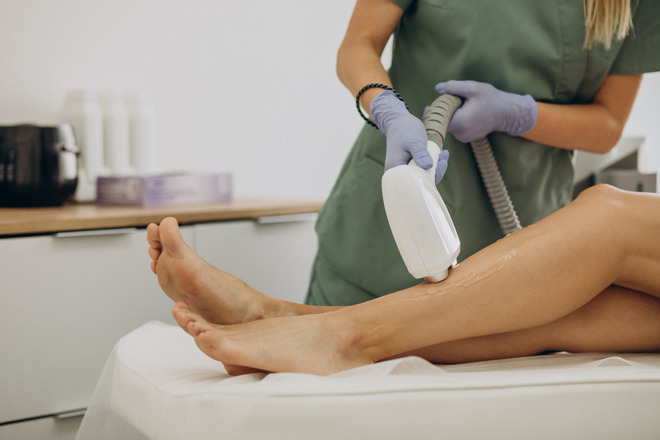
Tired of shaving every other day? Waxing every few weeks and dreading it each time? You are not the only one. Laser hair removal has become one of the most popular beauty decisions people make, and it is easy to see why. It saves time, it saves money in the long run, and it gets rid of the never-ending cycle of temporary fixes. But if you have never had it done before, walking into that first session with no idea what to expect can feel a little nerve-wracking.
Here is a straightforward look at what actually happens, so you can show up feeling calm and prepared.
1. You Will Have a Skin Assessment Before Anything Starts
The very first thing that happens is not lasers. It is a conversation. Before your technician does anything, they will look at your skin tone, hair type, and the area you want treated. This matters more than people realize. Different skin tones absorb laser energy differently, and a good clinic will adjust the settings and choose the right laser system for your specific needs.
People researching laser hair removal in St. Louis will find that reputable clinics use multiple laser systems rather than a one-size-fits-all approach. Practices such as St. Louis Skin Solutions usually outline how using multiple laser systems allows providers to tailor treatment to your skin tone rather than working around its limitations. That kind of flexibility is worth looking for when you choose a provider.
Come to your appointment with clean, shaved skin on the treatment area. No lotions, no deodorant if you are doing underarms, and no fake tan. These can all interfere with how the laser works.
Read more:
- Stay Smooth All Summer Long: Why Laser Hair Removal is the Perfect Pre-Season Treatment
- When Should You Consider Breast Implant Removal? Insights from Austin Experts
- Effective Treatments for Thinning Hair: Are They Worth It?
2. The Sensation Is Probably Not What You Are Imagining
Most first-timers expect it to hurt a lot. The reality is usually much milder than that. The most common description is a rubber band snapping against the skin, followed by a quick burst of heat. It is not exactly comfortable, but it is very manageable. Some areas are more sensitive than others. The bikini line and upper lip tend to be more tender, while the legs and arms are usually pretty easy to get through.
Modern laser systems also come with built-in cooling mechanisms that help reduce discomfort as you go. Sessions on smaller areas like the underarms or upper lip can take as little as five minutes. Larger areas like the legs or back take longer, sometimes up to 45 minutes, but you are in and out faster than most people expect.
If you are worried about pain, it is completely fine to ask your technician about numbing cream before your session. Not everyone needs it, but it is an option.
3. You Will Not See Full Results After Just One Session
This is probably the most important thing to understand going in. Laser hair removal works by targeting hair follicles that are actively in the growth phase. Because your hair does not all grow at the same time, you need multiple sessions to catch everything. Most people need between six and eight treatments to see significant, lasting reduction.
According to a study published in Pubmed, laser hair removal can reduce hair growth by up to 90% with a full course of treatment, though results vary depending on skin tone and hair color. Sessions are typically spaced four to eight weeks apart to align with your hair’s natural growth cycle.
In practice, you will start noticing a real difference after your second or third session. Hair comes back thinner, lighter, and less frequently. By the time you finish your full course, most people find they barely think about shaving at all.
4. Aftercare Is Simple But It Actually Matters
Once your session is done, your skin will likely feel a little sensitive, similar to mild sunburn. That is normal and usually settles down within a few hours. The treated area may look slightly red or feel warm, but this fades quickly for most people.
For the first 24 to 48 hours, you want to stay out of direct sun, skip the gym, avoid hot baths, and hold off on any harsh skincare products. Heat and friction can irritate skin that is already a bit sensitive after treatment. Sunscreen becomes your best friend between sessions, especially on any treated areas that get sun exposure. Skipping SPF can affect your results and increase the risk of pigmentation changes, which nobody wants.
Your clinic will give you specific aftercare instructions tailored to your skin. Follow them. It is a small thing that makes a real difference in how your skin heals and how well the treatment works over time.
The Bottom Line
That first session is usually the one people worry about most, and it almost always turns out to be far less dramatic than they imagined. The key is choosing a clinic that takes the assessment seriously, uses the right technology for your skin, and actually takes time to answer your questions. When those things are in place, the process is straightforward, and the results speak for themselves. Smooth, low-maintenance skin is genuinely within reach. You just need a few sessions and a little patience to get there.