

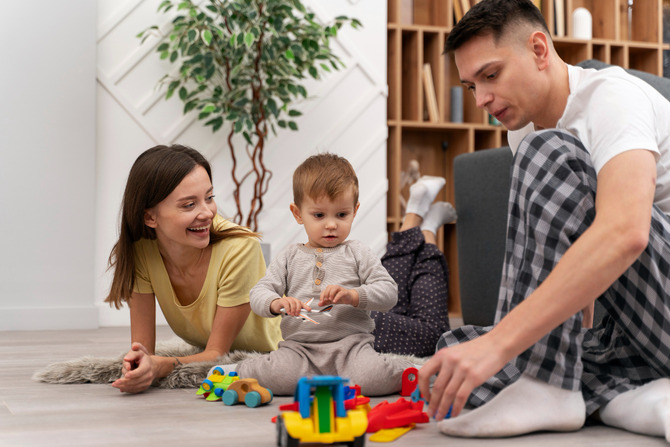
As parents, our children’s safety is our top priority. From the moment they are born, we are constantly thinking about how to protect them from harm. While we can’t bubble-wrap our kids, we can take proactive steps to create a safe environment for them to grow and thrive. This guide will walk you through some of the most important aspects of child safety, from preventing accidents at home to ensuring they are safe while playing.
Read more:
- 8 Creative Fun Family Activities To Do At Home
- Keeping Kids Active, Engaged and Happy During the Holidays
- Toys for Your Toddlers: 8 Tips to Keep in Mind
Creating a Safe Home Environment
Your home should be a safe haven for your children, but it can also be a place where accidents happen. The good news is that many of these accidents are preventable. By taking the time to childproof your home, you can significantly reduce the risk of injury.
In the Nursery
The nursery is where your baby will spend a lot of their time, so it’s crucial to make sure it’s a safe space. The American Academy of Pediatrics has specific recommendations for safe sleep to reduce the risk of Sudden Infant Death Syndrome (SIDS). This includes placing your baby on their back to sleep on a firm mattress with a fitted sheet. The crib should be free of soft bedding, bumpers, and toys. It’s also important to ensure that the crib meets current safety standards and is in good repair.
Around the House
As your child grows and becomes more mobile, they will want to explore everything around them. This is a natural part of their development, but it also means that you need to be extra vigilant about potential hazards. Here are some key areas to focus on:
- Preventing Falls: Falls are a leading cause of injury for young children. You can help prevent falls by installing safety gates at the top and bottom of stairs, and by using window guards to prevent falls from windows. It’s also a good idea to secure heavy furniture to the wall to prevent it from tipping over.
- Preventing Burns: Burns can be devastating, but many are preventable. Set your water heater to 120 degrees Fahrenheit or lower to prevent scalds. Keep hot liquids and foods out of reach of children, and use back burners on the stove when possible. It’s also important to have working smoke alarms on every level of your home and in every sleeping area.
- Preventing Poisoning: Children are naturally curious and may put things in their mouths that they shouldn’t. Keep all medications, cleaning products, and other potentially toxic substances in locked cabinets or containers. Be aware of common household plants that can be poisonous if ingested. If you suspect your child has been poisoned, call the Poison Control Center immediately.
For more in-depth information on creating a safe home environment, the National Safety Council provides a wealth of resources for parents.
Safety During Play
Play is essential for a child’s development, but it’s also a time when accidents can happen. Whether your child is playing at home, at a playground, or participating in sports, there are steps you can take to keep them safe.
Playground Safety
Playgrounds are a great place for kids to burn off energy and have fun, but they can also be a source of injuries. Before you let your child play, take a moment to inspect the equipment. Look for any broken or damaged equipment, and make sure the ground surface is soft and well-maintained. Supervise your child at all times, and teach them to play safely.
Toy Safety
Toys are a big part of childhood, but they can also pose a risk if they are not age-appropriate or are not used correctly. When choosing toys for your child, look for ones that are well-made and don’t have any small parts that could be a choking hazard. The consumer product safety commission has a great guide on this. Always follow the manufacturer’s age recommendations, and teach your child how to play with their toys safely.
Water Safety
Drowning is a leading cause of accidental death for young children. Never leave a child unattended near water, even for a moment. This includes bathtubs, pools, and even buckets of water. If you have a pool, make sure it is surrounded by a four-sided fence with a self-closing, self-latching gate. The CDC provides comprehensive data on child injuries, which can be a valuable resource for understanding the risks.
Online Safety
In today’s digital world, child safety extends beyond the physical world. It’s also important to protect your children online. As children get older, they will likely spend more time on computers, tablets, and smartphones. While the internet can be a great resource for learning and entertainment, it also has its dangers. To learn more about how to keep your children safe online, check out this article on how to ensure you properly protect your children online.
When Accidents Happen
Even with the best precautions, accidents can still happen. It’s important to be prepared and know what to do in an emergency. Take a first aid and CPR course, and keep a well-stocked first aid kit in your home and car. If your child is injured, it’s important to seek medical attention right away. In some cases, an accident may be due to someone else’s negligence. If you believe this is the case, you may want to Call the Captain pahrump personal injury lawyer to discuss your legal options.
Conclusion
Keeping our children safe is a full-time job, but it’s one of the most important jobs we will ever have. By taking the time to childproof your home, supervise your children during play, and teach them about safety, you can help prevent accidents and create a safe and nurturing environment for them to grow and thrive. For more tips on family safety, consider reading about making family safety simple. Remember that a little bit of prevention can go a long way in keeping your little ones safe and sound.