

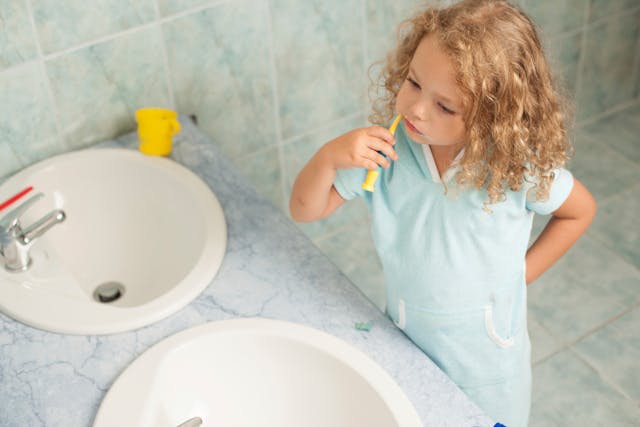
Key Summary: These child dental care tips show how early habits, proper brushing and flossing, balanced diet choices, and timely dental visits shape your child’s long-term oral health. Building consistent routines and positive experiences early helps prevent dental issues while making oral care feel natural and manageable for both you and your child.
Having kids pushes all parents to think about things they’d otherwise forget or disregard. Among those things is dental care, which is something nobody should ignore. Oral and dental health is essential for everyone, regardless of age. It’s especially more important to prioritize in young children.
Even if baby teeth are expected to be replaced by permanent teeth, your baby must be exposed to proper oral care. Healthy teeth connect to good overall health, and it’s a great idea to start young.
But if you’re a new parent, chances are you’re still looking for a comprehensive guide to help you out. Let this article be that guide. Here are several detailed child dental care tips to get you started.
Start Before the First Tooth
Dental care begins long before you spot your baby’s first tiny tooth. Many parents make the mistake of practicing oral care and hygiene only when their children’s teeth appear. Most aren’t aware that bacteria is already in the mouth as early as the baby’s birth.
Fortunately, you don’t need to do too much to keep your baby’s mouth clean. After feedings, use a clean, damp gauze pad or soft cloth to wipe away sugar residue. This little habit helps limit bacterial growth and colonization in the gums, encouraging oral health.
Daily oral care also conditions your baby to get used to the sensation of oral hygiene. Your child is less likely to be uncomfortable when it’s time to transition to a soft-bristle toothbrush.
Visiting a trusted general dentist may also be less scary. You can get your little one to undergo checkups and dental cleaning sessions without much fuss. Look for a reputable clinic with licensed pediatric dentists to ensure your child receives dental services appropriate for their age and oral condition.
Settle the Fluoride Debate
Fluoride toothpaste has historically had a lot of controversy in the past decades. Some families trust the information presented, and others doubt it. Perhaps more are even confused.
To clear the air, fluoride is a safe ingredient. In fact, many dentists don’t recommend cleaning teeth with fluoride-free toothpaste. Most major dental and pediatric health organizations around the world, like the American Dental Association, even endorse it. Children can also benefit from fluoride in their toothpaste.
Fluoride provides several advantages, such as:
- Reversing early tooth decay
- Remineralizing tooth enamel
- Slowing down demineralization
- Preventing bacterial growth that causes cavities
For kids under three years old, a tiny bit of toothpaste the size of a rice grain is enough. When older, around the age of three to six, is when you increase the amount to pea-size.
Dentists may also apply fluoride varnishes to your child’s teeth. It’s a professional-grade treatment that’s quite underutilized. It can be applied as early as the first tooth and helps reduce cavities. If you haven’t heard of it, you’ll be happy to know that fluoride varnish is typically covered by insurance. Just check the plans and policies of the insurance you wish to get.
Fluoridated water could protect your child’s teeth, too. Some regions may have tap water that contains fluoride. Rinsing the mouth after meals can be a helpful, effective, and low-effort protective habit you can teach your child.
Diet is Half the Battle
Some child dental care tips you may encounter might not include anything about diet. But what your kid eats has a direct effect on their teeth.
For one, frequent sugar consumption is one of the prime causes of cavities and other dental problems in children. It even matters more than sugar quantity. If your child drinks fruit juice throughout the day, they’re more likely to have more dental damage than one who drinks it quickly with a meal.
Acid is the real culprit of the harm. Bacteria found in the mouth consume the leftover sugar from food. As they do, they produce an acid that causes enamel erosion.
As such, it’s best to avoid giving your child too much of the following foods:
- Flavored crackers
- Raisins
- Granola bars
- Fruit pouches
- ‘Healthy’ gummies
The order of food consumed during a meal also affects the acid levels in the mouth and teeth. Ending your child’s meal with milk, cheese, or crunchy vegetables like celery or carrots helps neutralize the acids. These foods also physically clean tooth surfaces to a degree. But that doesn’t mean they can stand in for regular tooth-brushing.
It doesn’t hurt to give your child sugary snacks from time to time. A sweet, occasional treat won’t fully harm their little teeth. Consider balancing homemade and store-bought snacks, too. However, you must remember (and remind your kid) to brush their teeth after every meal or at least twice a day.
Brushing Technique Over Duration
How your child brushes their teeth also impacts their dental health. You might have heard that brushing for two minutes is the standard. While it’s true, technique also matters.
The ideal manner of brushing teeth is going at it at a 45-degree angle to the gumline. Don’t skip the back molars and forget to brush the tongue. It’ll take some time to adjust to the right techniques, but in time, you and your kid will get used to it.
While your child is still under the age of eight, don’t leave them in charge of brushing their teeth. They’re still developing their motor skills, and they might not clean their teeth as effectively. During this time, supervise and assist them until they’re old enough to do the task on their own.
When to Brush
Should you brush your teeth before or after breakfast? That’s a common question that’s still boggling the minds of many parents and continues to be a debate for some. The answer to that is it’s best to brush before.
Brushing some time after waking up helps remove the overnight plaque buildup before breakfast food introduces more bacteria. Brushing immediately after eating (especially acidic foods) can actually damage softened enamel. Wait at least 30 minutes before you do.
What Brush to Use
Another question in your mind might be, ‘What toothbrush should young children use?’ Several dental experts say electric toothbrushes are clinically ideal for kids who resist brushing or have braces. They remove significantly more plaque with less effort and technique required.
Flossing Starts Much Earlier Than You Think
One of the main reasons why many develop tooth decay is that brushing is the only thing most people do. Many forget to floss, which is far better at removing food debris stuck between teeth. That’s why if you check out child dental care tips, you’ll often see flossing as a major step.
Your child can start flossing as soon as you see two of their teeth touch. This typically occurs around the ages of two to three. You must do this for them while they’re still young. The ideal age your kid can do it on their own is around 10.
Don’t just use any floss you see, though. Choose floss picks that are designed for kids. These types are far more manageable for parents to maneuver and are just as effective. They also won’t hurt your child’s soft gums as long as you floss their teeth gently. The key is flossing at the right angle, just like brushing. Position yourself behind your child and replicate the angle dentists use to get better access to their teeth.
Flossing is a daily habit your child shouldn’t skip. Food debris can cause dental caries, which are usually found in between teeth. They’re often hard to spot immediately, needing an X-ray for a better, clearer view.
The Timing of the First Dental Visit

When’s the best time to bring your child to their first dental checkup? Most parents might wait until their kid turns three. However, the standard recommendation is by age one or within the first six months of their first tooth.
Early visits typically focus more on establishing a dental routine at home than on cleaning. A pediatric dentist will also discuss risk factors and guidance tailored to your child’s specific diet and habits.
Addressing Dental Anxiety
A lot of kids can get uncomfortable or even terrified of visiting the dentist. This situation is normal, and it’s possible to manage your child’s fear.
It all starts with you. Dental anxiety is often learned from parents. If you show that you’re also scared of visiting the dentist, you’re telling your child to fear the dentist, too. Kids who visit dental clinics early and often may develop a neutral or positive association with them.
Protecting Teeth During Sports
Many older kids get into sports at a young age. However, sports, especially contact sports like martial arts and football, can cause tooth loss during accidents.
Sports injuries rank among the top causes of tooth damage in children. It doesn’t take a full-contact sport, either. Basketball, soccer, and even cycling accidents often lead to chipped or lost teeth.
A mouth guard should be in every sports bag. Store-bought versions help, but custom-fitted guards from a dentist offer extra protection. They stay in place, feel comfortable, and children tend to keep them in during play.
Here’s how to know if a permanent tooth gets knocked out:
- Pick it up by the tooth’s crown, instead of its root
- Rinse it gently, but don’t scrub.
- Put it back in the socket, or store it in a small container of milk, if possible.
- Visit the dentist within 30 minutes.
Quick action can make the difference between saving your child’s tooth and losing it for good.
Wrapping Up
Caring for your child’s teeth as they grow up doesn’t have to be a challenge or a waste of time. When you know what matters most about a kid’s dental health, preventing issues becomes much easier. Consider reframing dental care as a long-term investment in your child’s overall health instead of a hygiene task.
Let these child dental care tips help you manage your child’s dental development. Small, consistent habits that you start early have rippling effects that last a lifetime.