

School holidays always sound like a great idea at first. Slower mornings, no lunchboxes, no rushing out the door. For a day or two, it feels like a nice reset.
Then the boredom kicks in.
Kids start drifting from one thing to another, nothing seems to hold their attention for long, and somehow the house gets louder and messier at the same time. You might hear “I’m bored” more times than you can count, even with toys, screens, and activities right in front of them.
It’s not that kids don’t enjoy the break. They do. They just aren’t always great at knowing what to do with all that free time. And for parents, that often means trying to fill the gaps while also keeping everything else running as normal.
Why Kids Need More Than Just Free Time
It’s easy to assume that kids will naturally keep themselves busy when they have time off. In reality, too much unstructured time can have the opposite effect. What starts as freedom can quickly turn into restlessness.
You might notice it in small ways at first. They move from one activity to another without really settling. Toys come out, get used for a few minutes, then get left behind. Screens might hold their attention for a bit longer, but even that doesn’t always last.
Kids tend to do better when there’s some kind of rhythm to their day. It doesn’t have to be strict or overly planned, but having something to anchor their time makes a difference. It gives them a sense of direction and helps avoid that constant “what now?” feeling that can lead to frustration.
When there’s a balance between downtime and activity, everything feels a bit calmer. Kids are more engaged, and the day doesn’t drag in the same way.
Read more: How to Create a Safe and Stylish Play Area for Your Kids
The Challenge of Balancing Fun and Structure
For parents, finding that balance isn’t always straightforward. You want the holidays to feel relaxed and enjoyable, not overly scheduled. At the same time, completely open days can be hard to manage, especially if you’re juggling work or other responsibilities.
There’s often a bit of trial and error involved. Some days flow easily, while others feel long before lunchtime even hits. Plans might fall through, weather can change things, or kids simply lose interest in what you thought would keep them occupied.
It can also feel like a lot of pressure to constantly come up with ideas. Keeping kids entertained day after day isn’t easy, particularly when you’re trying to do it without relying too heavily on screens.
That’s where a bit of structure can help, not as a strict schedule, but as a way to break up the day. Even having one planned activity can shift the energy and make everything else feel more manageable.
How Physical Activity Changes Everything
One thing that consistently makes a difference during the holidays is movement. It doesn’t have to be anything structured or intense, but when kids are active, their mood tends to shift almost straight away.
You’ll often notice they’re more settled afterwards. There’s less restlessness, fewer arguments, and they seem more willing to engage with whatever comes next. It’s not just about burning energy, it’s also about giving them a proper outlet for it.
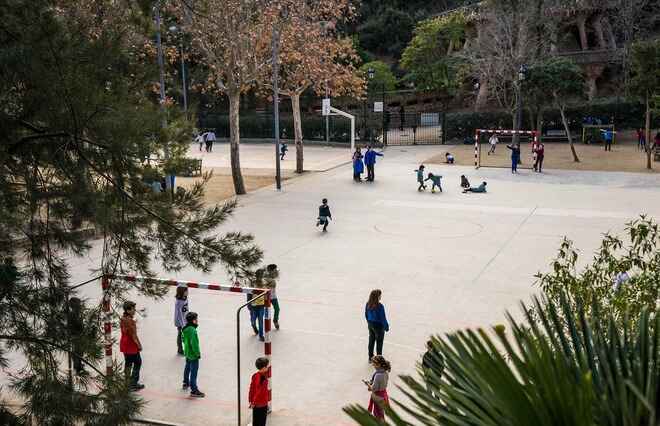
Even simple activities can have this effect. Running around at the park, kicking a ball, or just being outdoors for a while can reset the tone of the day. It breaks up long stretches of sitting around and gives kids something to focus on that isn’t a screen.
When movement becomes part of the routine, even in a loose way, the whole day tends to flow better. It creates a natural rhythm that helps everything else fall into place.
Finding the Right Activities for Different Ages
One of the trickier parts of the holidays is finding activities that actually hold your child’s interest. What works for one age group doesn’t always work for another, and even within the same family, preferences can be completely different.
Younger kids often need more hands-on, engaging activities, while older ones might want something that feels a bit more independent or skill-based. Trying to cater to all of that at home, every day, can quickly become overwhelming.
This is where options like school holiday programs perth can take some of that pressure off. Structured programs give kids a chance to stay active, try something new, and spend time with others, all in an environment that’s already set up to keep them engaged.
For parents, it also creates breathing space. Knowing there’s something planned that your child is actually looking forward to can make the holidays feel far more manageable.
Giving Kids Something to Look Forward To
One of the easiest ways to shift the mood during school holidays is to give kids something to anticipate. It doesn’t have to be a big event. Even a planned activity every few days can change how the week feels.
When kids know something is coming up, it breaks the holidays into smaller, more manageable chunks. Instead of one long stretch of open time, there are little markers along the way. It gives them a sense of excitement and helps reduce that constant search for something to do.
You might notice the difference in how they talk about their day. There’s more interest, more engagement, and often a bit more patience in between activities. It also takes some of the pressure off you to keep coming up with ideas on the spot.
These small plans don’t need to be complicated. What matters is that they give kids a reason to stay engaged and something to look forward to beyond just the next screen or toy.
Making the Holidays Feel Balanced for Everyone
School holidays aren’t only about keeping kids occupied. They affect the whole household, and when things feel out of sync, everyone notices.
Some days will be full and active, others a bit slower. Plans won’t always go the way you expect, and that’s usually where the stress creeps in. Having a loose sense of structure can help steady things without making the days feel rigid.
When there’s a mix of activity and downtime, kids tend to settle more easily. The energy in the house feels calmer, and you’re not constantly trying to come up with the next thing to fill the gap.
Over time, you find a rhythm that works. Nothing perfect, just something that makes the days feel more manageable and a bit more enjoyable for everyone involved.