

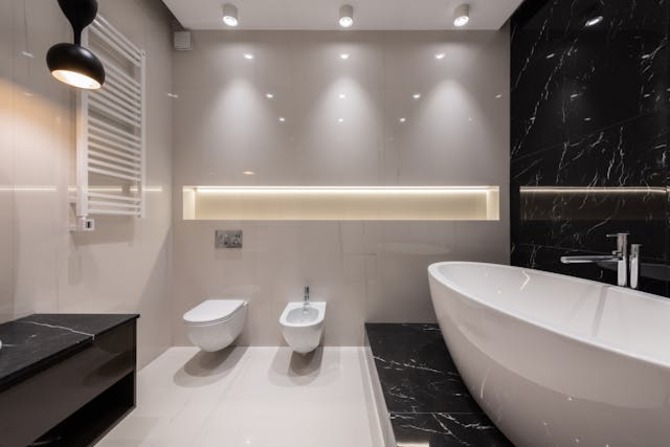
Many homeowners spend time choosing tiles, colors, and finishes, only to realize later that their bathroom still doesn’t feel right. The space may look clean and modern, but daily use tells a different story. Tight layouts, awkward fixtures, and hard surfaces can make even a new bathroom feel uncomfortable. This is why design priorities have started to shift. Today, people want bathrooms that support their routines, reduce effort, and feel easy to use every day. Comfort is no longer an extra feature. It has become a key part of good design. A modern bathroom should not only look appealing but also work smoothly for the people who use it.
Read more:
- Top 12 Benefits of Bathroom Remodeling
- What to Consider Before Updating Your Bathroom Space
- Upgrading Your Bathroom: What to Prioritize for Functionality and Style
Layouts That Make Movement Easy
A bathroom can look beautiful but still feel difficult to use if the layout does not work well. Poor placement of sinks, toilets, or showers can create tight spaces and limit movement. Modern bathrooms focus on flow. Designers now think about how people move through the space during daily routines. There is more attention on spacing between fixtures and clear walking areas. Even in smaller bathrooms, smart layout choices can improve comfort. Wall-mounted options and better positioning help open up the room. When everything feels within reach and easy to access, the space becomes more practical. A well-planned layout removes daily frustration and makes the bathroom easier to use.
Bathtubs Designed for Real Relaxation
Bathtubs are no longer just basic fixtures placed for function. Today, they are designed with comfort in mind. Modern tubs offer better support for the body, allowing users to sit and relax without discomfort. Deeper soaking options and improved shapes make baths more enjoyable and less awkward. Many homeowners are choosing tub replacement as a way to upgrade this experience without changing the entire bathroom. A well-designed tub can turn a routine bath into a more relaxing part of the day. The focus has shifted from simply having a tub to actually using it comfortably. This change reflects a broader trend toward making bathrooms feel more personal and useful.
Safety Features That Add Peace of Mind
Safety plays a big role in how comfortable a bathroom feels. Slippery floors, sharp edges, and unstable footing can create stress, especially in wet areas. Modern bathrooms now include safety features that reduce these risks without making the space look clinical. Non-slip surfaces, grab bars, and low-entry tubs help users move with more confidence. These features are not only for older adults. Families with children and anyone looking for a safer space can benefit from them. When people feel secure in their bathroom, they can focus on their routine instead of worrying about accidents. Comfort is closely tied to safety, and modern design reflects that connection clearly.
Materials That Are Easy to Maintain
A bathroom should not require constant effort to keep clean. Many older materials absorb moisture, which can lead to stains, odors, and mold over time. Modern bathrooms use surfaces that resist water and are easier to wipe down. Acrylic wall panels, sealed grout, and smooth finishes help reduce buildup. These materials also hold their appearance longer, which means less frequent repairs or replacements. Homeowners now look for options that simplify cleaning without sacrificing style. When surfaces stay clean with less work, the space feels more comfortable to use every day. Easy maintenance is not just about saving time. It also helps keep the bathroom healthier and more pleasant to use.
Lighting That Supports Everyday Tasks
Lighting plays a major role in how a bathroom feels and functions. Poor lighting can make simple tasks like shaving or applying makeup more difficult. Modern bathrooms use layered lighting to improve visibility and comfort. This usually includes overhead lights for general use and focused lighting around mirrors for detailed tasks. Proper placement helps reduce shadows and eye strain. Natural light, when available, also adds to the overall experience. Good lighting does not need to be complicated. It just needs to support how the space is used each day. When lighting is planned well, it makes routines easier and helps the bathroom feel more comfortable and practical.
Storage That Reduces Daily Clutter
Clutter can quickly make a bathroom feel cramped and stressful. When everyday items do not have a proper place, the space becomes harder to use. Modern bathrooms focus on storage that keeps things organized and easy to reach. Built-in shelves, vanity drawers, and hidden compartments help store items without taking up extra space. Good storage design also keeps frequently used items within reach while keeping surfaces clear. This improves both function and comfort. A well-organized bathroom allows users to move freely and complete tasks without searching for essentials. Storage may seem like a small detail, but it has a strong impact on how the space feels and works.
Better Control Over Water and Temperature
Consistent water temperature and pressure are important for comfort. Sudden changes in temperature can make showers unpleasant and even unsafe. Modern fixtures now include controls that help maintain steady water flow. Many systems allow users to set their preferred temperature, which reduces the need for constant adjustment. This makes daily routines smoother and more predictable. Improved showerheads also offer different settings, allowing users to choose what feels best for them. These features are designed to make the experience more comfortable without adding complexity. When water control works properly, it removes a common source of frustration and helps create a more reliable and enjoyable bathroom routine.
Modern bathrooms have moved beyond surface-level design. While appearance still matters, comfort now plays a much bigger role in how these spaces are planned and used. Features like better layouts, user-friendly fixtures, safe surfaces, and easy maintenance all work together to improve daily routines. Each element supports a smoother and more practical experience. Homeowners are no longer satisfied with bathrooms that only look good. They want spaces that feel easy to use and meet their everyday needs. When comfort becomes the focus, the bathroom turns into a space that supports both function and well-being. This shift reflects how people value convenience and usability in their homes today.