

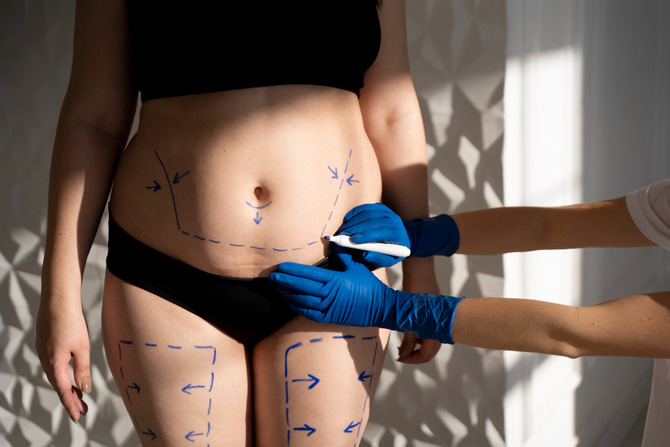
After pregnancy, your body can change in ways that aren’t always reversible with exercise or diet alone. For many women in Atlanta, these changes, from stretched abdominal muscles to shifts in breast shape, can feel frustrating and hard to ignore. If you’re thinking about restoring your pre-baby figure, a mommy makeover might be the right option.
But before you schedule anything, it’s crucial to understand that the results depend heavily on the surgeon you choose. The right doctor doesn’t just perform procedures. They understand your body, your goals, and how to achieve results that look natural and harmonious.
Here’s what to keep in mind when selecting a surgeon for a mommy makeover.
Read more :
- How Do Surgeons Customize a Mommy Makeover for Different Body Types?
- 7 Post-Pregnancy Body Changes a Mommy Makeover Can Address
1. Board Certification and Mommy Makeover Experience
The first thing to check is whether a surgeon is board-certified in plastic surgery. Certification ensures that the doctor has completed the necessary training and met national standards for safety and competency. This distinction is especially important because it demonstrates adherence to rigorous medical and ethical standards.
Beyond credentials, experience matters. Procedures like tummy tucks, breast lifts, and liposuction are often combined in a mommy makeover, and a surgeon who performs these frequently will have a much stronger understanding of how tissues respond and how multiple procedures affect recovery. A patient exploring a mommy makeover in Atlanta can see how a skilled, experienced team guides every step of the process, from planning to post-op care. Patients benefit when a doctor has performed dozens, if not hundreds, of combined procedures, rather than just individual surgeries.
Organizations such as Northside Plastic Surgery offer insights into how surgeons approach mommy makeovers, highlighting the importance of tailoring procedures to each patient’s unique anatomy to achieve natural-looking results. In practice, outcomes tend to be more satisfying when the surgery is performed by a board-certified doctor with substantial experience in combined procedures
2. Consultation and Communication Style
A consultation is the first opportunity to see how a surgeon approaches care, and it should be thorough. What sets an exceptional consultation apart is the combination of listening and guidance. A good surgeon will ask detailed questions about your medical history, prior surgeries, lifestyle habits, and goals. They’ll explain not only the procedures themselves but also why certain techniques or sequences work better for your body.
Equally important is the communication style. You want a surgeon who makes you feel heard and comfortable asking questions. They should be transparent about potential outcomes, recovery timelines, and the ways they customize surgery to suit your unique anatomy. Surgeons who combine technical skill with patient-centered communication often achieve the best satisfaction rates.
3. Before-and-After Photos
Before-and-after photos are more than just inspiration. They are evidence of what a surgeon can achieve. When reviewing these images, consider several aspects:
- Symmetry and proportion between different body areas
- How natural the results look, rather than overly sculpted
- Visibility of scars and how well they heal
Ask for a wide range of examples, including patients with body types similar to yours. Sometimes subtle differences in skin elasticity, breast shape, or abdominal tone can change how results appear. Good clinics often share detailed galleries showing realistic outcomes, helping patients form expectations grounded in actual results rather than marketing promises.
4. Safety and Facility Standards
Where your surgery is performed can be as critical as who performs it. Accredited facilities maintain strict protocols for sterilization, anesthesia, and emergency preparedness, which can reduce the risk of complications. Patients should feel reassured that the operating room has modern monitoring equipment and that the staff is trained for every scenario.
Ask your surgeon about accreditation and safety procedures. Hospitals or accredited outpatient centers typically offer higher safety standards than offices without official certification. Additionally, recovery support—such as follow-up appointments, pain management strategies, and guidance for daily activities—helps ensure that the body heals properly after a multi-procedure mommy makeover. Knowing these systems are in place provides peace of mind and can significantly influence the recovery experience.
5. Recovery and Long-Term Planning
Finally, it’s vital to enter a mommy makeover with realistic expectations. No surgeon can fully reverse every post-pregnancy change, and results are most satisfying when they enhance your natural curves rather than creating a completely different body. Discussions about potential outcomes, scarring, longevity, and the balance of multiple procedures help prevent disappointment and encourage a healthier recovery mindset.
A strong surgeon will help you plan not just for the surgery itself but for long-term maintenance, including guidance on physical activity, nutrition, and ongoing care for your results. They tend to make the approach more holistic, helping patients see the procedure as a step toward feeling more confident in their bodies, rather than an instant fix.
The Bottom Line
Choosing a surgeon for a mommy makeover is about more than finding someone who can perform the operations. Board-certified expertise, real experience with combined procedures, proven results, clear communication, safe facilities, and realistic planning all matter. Taking the time to research and ask the right questions ensures that your transformation is not only successful but also natural, comfortable, and aligned with your goals.