

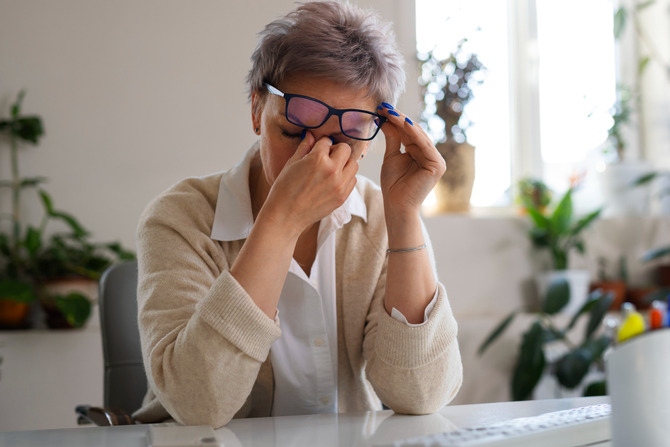
There is something unsettling about noticing that everyday tasks start to look a little different. Words on a screen may not be as sharp as they used to be, or lights might seem unusually bright. For many adults, these subtle changes are easy to dismiss, often blamed on stress or tiredness.
But vision changes that happen gradually can be an early sign of something more serious, such as age related eye problems. Many people do not realize that noticing these early signs can help protect their sight for the long term.
Understanding what to watch for can help adults see a doctor sooner, improving results and keeping one of the most important senses healthy.
How Vision Changes Start Gradually
Vision loss usually does not happen suddenly. In many adults, it comes slowly, often without being noticed until everyday tasks become frustrating. Understanding how these changes begin can help spot warning signs before they become serious.
Blurred or Cloudy Vision
One of the first signs that something may be wrong is when vision starts to look blurry, even with corrective glasses or contact lenses. Text on a screen or road signs may appear hazy, making reading or driving more difficult than usual. Sometimes, this cloudiness shifts from day to day, which makes it easy to ignore at first. For conditions like cataracts or macular degeneration, this slow blurring often happens in only one eye, but it can progress over time if not properly treated.
Difficulty Seeing in Low Light
Adults who used to adjust easily to dim or dark places may start noticing that night vision is not as good as before. Driving after sunset might become uncomfortable, or walking into a dark restaurant may take longer to adjust. This often points to issues in how the eyes process light, which can be related to changes in the retina or lens. Paying attention to struggles with low light vision can help detect age related conditions early on.
Colors Seem Faded or Washed Out
Another quiet sign of vision changes is when colors look duller or not quite right. Greens, blues, and reds may start to lose their brightness, making everything around appear duller. This fading is sometimes an early sign of certain retina problems. People might notice they need more light to see things clearly, especially while reading or sewing. It is a small detail to overlook, but an important one to mention to an eye care specialist.
Common Causes Behind Early Vision Loss
Vision changes can come from many reasons, not all of them serious. However, some conditions develop quietly and only reveal themselves once damage has already started. Knowing these hidden causes helps adults take action early and have better results.
Age Related Vision Conditions
As people age, natural changes in the eyes can lead to conditions that affect both central and peripheral vision. One of the most common is macular degeneration, which damages the part of the retina used for clear central sight. When detected early, doctors can explore ways to manage it, including lifestyle changes, vision aids, and medical options such as treatment of AMD. Getting professional support as soon as possible can greatly improve the chances of keeping good eyesight.
Glaucoma and Pressure Related Damage
Glaucoma often develops silently, gradually damaging the optic nerve before any pain or visible symptoms appear. Most adults do not notice anything until peripheral vision begins to narrow, creating a tunnel like view. Regular eye exams can detect pressure build up long before it leads to irreversible damage. Treatments today can slow its progression greatly when caught early, keeping vision stable for years.
Diabetes and Its Effects on Vision
For adults with diabetes, vision loss can begin subtly through a condition known as diabetic retinopathy. High blood sugar levels gradually damage the delicate blood vessels inside the retina, causing blurred vision, floating spots, or gaps in sight. Proper diabetes control, along with regular eye checkups, can prevent severe damage or delay symptoms from worsening. While this process is gradual, maintaining good health habits plays a huge role in protecting vision long term.
When Everyday Signs Should Not Be Ignored
It can be tempting to brush off small changes, especially when vision problems appear mild. Yet, these early shifts are often the body’s way of sending subtle warnings. Recognizing and addressing them early can mean the difference between temporary discomfort and permanent vision loss.
Adults who notice frequent changes in focus, dark spots, or difficulty recognizing faces shouldn’t wait for a regular checkup. Booking an appointment with an eye doctor provides peace of mind. The good news is that many vision issues, when caught early, can be treated effectively. Eye specialists now have advanced tools and treatments to slow or stop damage in many cases.
Even minor adjustments, such as eating foods rich in antioxidants, not smoking, and wearing sun glasses outdoors, can strengthen long term eye health. These small daily habits help protect vision and reduce the risks of future complications.
Taking Charge of Eye Health
Vision is something most people take for granted until it starts to slip away. But eye health is not something to leave to chance. Paying attention to the early signs, whether it’s blurred words, faded colors, or more glare, helps adults stay ahead of potential problems.
Scheduling routine eye exams is one of the simplest, most effective steps anyone can take to keep their sight safe. Early detection allows for timely treatment, lifestyle changes, and better long term results. Clear vision is more than a matter of comfort; it’s a gateway to independence, confidence, and quality of life.
Everyone deserves the chance to see the world in full color and clarity. Caring for one’s eyes today ensures that tomorrow’s view remains just as bright and vivid as ever.