

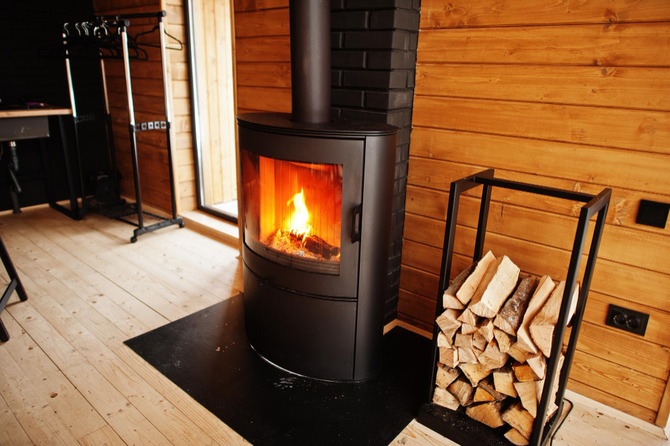
As temperatures dip and winter sets in, the comfort and atmosphere created by a crackling fire become a highlight of the season. However, maximizing the enjoyment and efficiency of your fireplace depends greatly on the type of wood you burn. Choosing high-quality hardwood not only enhances the warmth and longevity of each fire but also improves the cleanliness and safety of your home. For those looking to source the best wood for their hearth, high-quality firewood is crucial to an enjoyable fireplace experience.
Not all wood is created equal. High-quality hardwoods offer a range of benefits, from superior heat output to cleaner burns with minimal smoke. Moreover, they are a more sustainable choice when responsibly sourced. By understanding the unique properties and advantages of premium hardwood, you can create a cozy, inviting home environment that’s both efficient and environmentally conscious.
Read more : How to Prepare Your Home for a Change in Weather
Enhanced Heat Output and Efficiency
Dense hardwoods like oak, maple, and cherry are prized for their ability to produce more heat per log compared to softwoods. This density means each piece burns hotter and longer, maximizing the energy you get from your woodpile. The U.S. Environmental Protection Agency (EPA) notes that burning hardwoods can improve heating efficiency while reducing how much wood you need to keep your space warm. This efficiency benefits not only your comfort but also your budget and the environment, as you use less fuel over time.
Cleaner Burn with Reduced Smoke
Properly seasoned hardwood has a low moisture content, resulting in a cleaner, hotter burn. When wood is dry, it produces less smoke and fewer pollutants in your home, helping maintain better indoor air quality. This also means less creosote buildup in your chimney, significantly reducing the risk of hazardous chimney fires. The EPA stresses the importance of using dry, seasoned hardwood to minimize smoke, protect your health, and keep your fireplace safer.
Longer Burning Time
Another major advantage of hardwoods over softwoods is their longer burning time. Denser woods burn more slowly and steadily, so fewer logs are needed to keep your fire going through the evening. This not only means less work tending the fire but also makes hardwoods a more efficient option for those who enjoy long nights by the hearth. Additionally, slower burns mean less ash and residue, making clean-up easier and your fireplace maintenance more straightforward.
Safety Considerations
Choosing high-quality hardwood for your fireplace enhances safety in several ways. The reduced creosote production associated with hardwood means a lower risk of chimney fires, which can be a devastating hazard in homes that use wood-burning fireplaces regularly. Hardwoods generally produce fewer sparks and embers, decreasing the chances of accidental fires. Regular chimney inspection and maintenance, combined with burning clean hardwood, create a safer fireplace environment for your family.
Cost-Effectiveness
While the upfront cost of hardwood is typically higher than that of softwood, its value becomes apparent over time. Hardwoods burn more slowly and efficiently, so you use fewer logs per season. This efficiency translates to long-term savings, as you will need to purchase or gather wood less often. For homeowners who use their fireplaces frequently, investing in hardwood is an economical choice in the long run.
Aesthetic and Ambiance Enhancement
Beyond heating and efficiency, the aesthetic benefits of hardwood fires are undeniable. Woods like cherry and oak produce beautiful, steady flames and a pleasant aroma that elevates the ambiance in your living space. The combination of visual appeal and soothing scents makes hardwood fires perfect for gatherings, quiet evenings, or simply for creating an inviting, cozy home.
Environmental Sustainability
Sustainably sourced hardwood is more than just a great fuel choice; it supports responsible forest management. When harvested from managed woodlands, hardwoods are a renewable resource with a lower environmental impact than non-renewable heating alternatives, such as fossil fuels. Responsible sourcing helps conserve forests, maintain wildlife habitats, and support biodiversity while reducing your carbon footprint. The American Hardwood Information Center provides insights into the advantages of using natural wood products for a more eco-friendly home.
Choosing the Right Hardwood
Selecting the best hardwood for your fireplace involves considering several important factors:
- Seasoned Wood: Always ensure the wood is well-seasoned. Proper seasoning means drying the wood for at least six months, allowing the moisture content to fall below 20 percent for optimal burning.
- Hardwood Varieties: Opt for dense, high-quality hardwoods such as oak, hickory, maple, or cherry. These types provide optimal performance and burn characteristics.
- Local Sources: Purchase firewood from local suppliers whenever possible to support your community and reduce transportation-related emissions, contributing to environmental sustainability.
Conclusion
Embracing high-quality hardwood for your fireplace goes far beyond just creating a warm room. It leads to greater efficiency, a cleaner and safer home, and a smaller environmental footprint. By making informed choices and using only seasoned, high-quality wood, you can enjoy every fire with confidence, comfort, and peace of mind.