

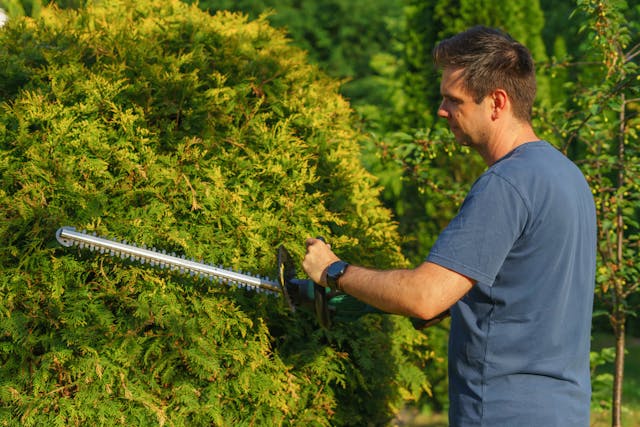
A gas hedge trimmer can last for years if stored with care. Dust, moisture, and leftover fuel can quickly wear it down, so a smart storage routine keeps it ready for the next season. To store a gas hedge trimmer properly, clean it, drain the fuel, check the parts, and place it in a dry, sheltered area.
Neglect often leads to rust, gummed-up fuel lines, or dull blades that slow down yard work. With a few simple steps, anyone can protect their tool and avoid costly repairs. The right preparation and storage space make the difference between a trimmer that starts easily and one that refuses to run.
This guide explains how to prepare your gas hedge trimmer before storage and how to keep it safe through the off-season. Each step focuses on protecting performance so it stays sharp, dependable, and ready for use when hedge work starts again.
Preparing Your Gas Hedge Trimmer for Storage
A gas hedge trimmer requires attention before it goes into storage. Cleaning residue, draining fuel, maintaining blades, and keeping cords organized protect the tool from rust and mechanical failure.
Cleaning and Inspecting the Hedge Trimmer
Before storage, remove dirt, sap, and debris from the exterior and blades. Use a stiff brush or scraper to knock away plant matter. Wipe remaining residue with a soft cloth slightly dampened with mild detergent. This prevents corrosion and helps identify worn parts early.
Inspect the housing for cracks, missing screws, or damaged switches. Check fuel lines for leaks and the pull cord for fraying. Replace or tighten any parts that look weak. A clean, damage-free trimmer operates more smoothly in the next trimming season. Proper preparation extends the lifespan of even a lightweight gas hedge trimmer, helping maintain consistent performance without avoidable repairs.
Draining Fuel and Engine Care Steps
Fuel left in the tank for more than a month can thicken and clog the carburetor. Drain all fuel from the tank into a safe container. Start the engine briefly to burn any fuel left in the lines. This step prevents gummed-up parts and engine misfires after storage.
Clean the air filter or replace it if it appears dark or clogged. Remove the spark plug and apply a few drops of oil into the cylinder. Pull the starter once or twice to spread the oil across the piston. Reinstall the spark plug finger-tight to keep out dust. These steps keep internal metal parts from rusting during cold or humid months.
Blade Maintenance and Protection
The blades should be clean, sharp, and coated with light oil before storage. Remove twigs or sap with a scraper or soft cloth, then apply a blade cleaner to dissolve residue. Dry the blades fully before applying a thin coat of machine oil. This oil acts as a barrier against moisture and rust.
If the blades feel dull, file or sharpen each tooth slightly along the factory edge. Avoid grinding off too much metal, as this shortens blade life. Once maintenance is done, slide on a protective scabbard or sheath. This prevents accidental cuts and keeps the blade teeth aligned for the next use.
Read more:
- Maximizing Space: Clever Storage Solutions for Small Homes
- From Cluttered To Clutter-Free: Transforming Your Office With Smart Storage Solutions
- The Family Benefits of a Well-Maintained Lawn
Battery and Cord Organizer Considerations
Gas hedge trimmers sometimes include a small electrical starter or chargeable component for ignition. Disconnect it and place it in a dry location. Keep the battery out of direct sunlight or freezing temperatures. A stable environment slows deterioration and maintains charge capacity.
For plug-in accessories or spare cords, coil them neatly instead of wrapping them tightly around the handle. Use a hook or cord strap to prevent tangles. Organized cords and accessories reduce clutter and prevent strain on the connection points. This practical habit preserves both convenience and safety around the workspace.
Safe and Effective Storage Methods
A gas hedge trimmer lasts longer and performs better when it stays clean, dry, and properly supported in storage. Location, handling, and maintenance choices directly affect blade sharpness, fuel system health, and overall tool safety.
Choosing the Best Storage Location
A gas hedge trimmer should stay in a dry, cool area away from direct sunlight and damp walls. Moisture leads to rust on blades and corrodes fuel system parts. A clean garage, shed, or tool room with good ventilation offers the best conditions.
Avoid placing the trimmer near fertilizers, gasoline, or garden chemicals. Their vapors may damage rubber seals and plastic parts. Store the tool off the ground to reduce dirt and pest contact.
Before storing, drain fuel or use a small amount of treated mix to prevent residue buildup. A sturdy shelf or cabinet with a locking door adds safety, keeping the tool secure and away from children. Proper airflow and moderate temperature also help preserve the trimmer’s metal and plastic components.
Wall-Mounted Storage and Shelving Options
Wall-mounted storage saves floor space and keeps equipment organized. A heavy-duty hook, bracket, or pegboard designed for power tools can support the hedge trimmer’s weight safely. Position the mount so the tool’s sharp edges face inward, and cover the blade with its guard.
A simple setup might include:
- Single hook system for smaller trimmers.
- Horizontal rack for multiple yard tools.
- Cord organizer to hold extension cords or fuel hoses neatly.
Shelving units also help hold oil, gloves, and blade covers together. Metal shelves with rubber pads reduce slipping. Keep the trimmer in a stable position without pressure on the handle or fuel tank. By lifting the tool to eye level, users can check its condition easily before each use.
Final Safety Checks Before Storing
Before placing the trimmer in storage, inspect it thoroughly. Wipe all surfaces with a dry cloth to remove dust or grease. Examine bolts, guards, and switches for looseness or cracks. Replace or tighten any weak parts now to prevent future damage.
Emptying the fuel tank prevents vapor leaks. If the tank must stay filled for short-term storage, add a fuel stabilizer. Run the engine briefly to move treated fuel into the carburetor. Once complete, clean the air filter and reattach the spark plug cap securely.
Always cover blades with the protective sheath. Make sure the tool rests away from foot traffic and ignition sources. After securing it, confirm that children or unauthorized persons cannot access it.
Long-Term Maintenance Tips
Long-term care prevents corrosion and performance loss. Apply light machine oil to the blades to resist rust. Check and oil any moving joints before storage, then rotate them a few times to distribute lubrication evenly.
Inspect the pull cord and starter assembly twice a year for wear. The same schedule applies to sharpening the blades; dull edges increase strain on the motor.
Store cleaning brushes, lubricants, and replacement parts nearby for easy access. Keeping supplies organized shortens maintenance time later. Once a month, briefly inspect the trimmer’s exterior and guarantee no moisture or pest damage has developed. Proper attention across the year helps the hedge trimmer start easily and work smoothly for the next season.
Conclusion
Proper storage protects a gas hedge trimmer from damage and helps it last through many seasons. Keeping the tool clean, dry, and safely placed reduces the chance of rust or fuel issues.
Before storing, users should empty the fuel tank, clean the blades, and check for loose parts. A light coat of protective oil prevents corrosion, while a blade cover adds extra safety.
It is best to place the trimmer in a secure, dry, and elevated location. This keeps it away from moisture and children.
By following these steady habits, anyone can maintain strong performance and avoid repairs. A few careful steps make the next start-up smooth and trouble-free.