

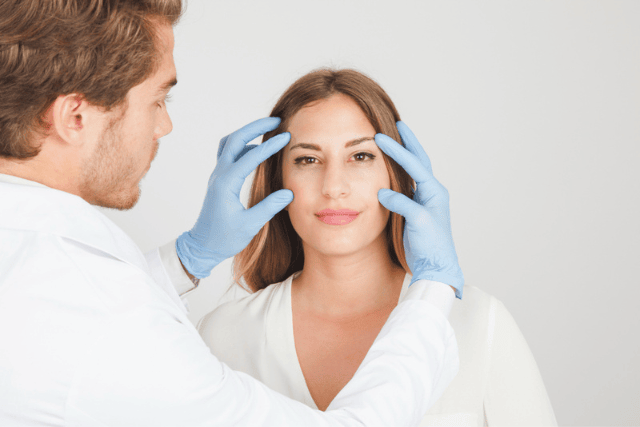
Wrinkled, sagging eyelids can make you look older, therefore encouraging you towards anti-aging treatments like eyelid surgery, aka blepharoplasty. But beyond mere appearance, sagging eyelids can also affect how well you see, read, or drive at night.
Age matters, but not in the simple way most people expect.
Before we talk numbers, it helps to understand why eyelids change at all. The skin around the eyes is thin. It moves constantly. Over time, gravity, sun exposure, and natural loss of firmness start to show up there first. Some people notice it in their early thirties. Others not until their late fifties. So both middle-aged and older adults in Lancaster are seeking these treatments. And because you see the diversity of people going for it, it’s reasonable to ask: what is the best age for eyelid surgery?
Read more :
- The Evolution of Beauty Standards: Exploring Cultural Shifts and Trends in Plastic Surgery
- How Nose Surgery Works and What Patients Should Expect in Miami
- 7 Cosmetic Treatments for Achieving Fuller Lips
- Could Dermal Fillers Help You Look Younger?
Why Age Alone Is the Wrong Question
Here is the honest truth. Surgeons offering blepharoplasty do not decide based on the number on your birthday cake. They look at skin quality, muscle strength, fat placement, and how your eyelids behave when you blink or rest.
A 50-year-old with heavy upper lids from genetics may be a better candidate than a 60-year-old with mild skin laxity and strong muscle tone.
Another factor is vision. When sagging skin starts to hang over the lashes, it can narrow the field of view. Reading becomes tiring, and the individual lifts their brows without realizing it, which can lead to headaches. Typically, people often go for eyelid surgery in Lancaster when age causes their eyelids to sag and affect their eyesight. According to the Morgenstern Center, an expert in blepharoplasty, eyelid surgery is medically necessary if droopy upper eyelids or a sagging brow interfere with your vision. Age does not matter here.
That is noteworthy because it shifts the conversation from numbers to physiology. So rather than asking about a specific age, the question should begin with, “How exactly do you feel right now?”
Eyelid Surgery in Your 30s and Early 40s
With everything said, let’s talk about what eyelid surgery means for different age groups so you can get an idea of what applies to you.
For people in their 30s and early 40s, blepharoplasty is more about looks than eye function. When photos always show tired eyes, even after good sleep, and makeup doesn’t seem to work, you may be a good candidate for this procedure, even though you’re not that old yet.
In this stage, surgery is usually conservative. Small adjustments. Careful removal of excess skin or repositioning of fat. The goal is not to create a dramatic change but to help you look more like your awake self.
Recovery tends to be easier at this age. Skin rebounds well, swelling settles faster, and results can last a long time because the tissue still has strength.
Eyelid Surgery in Your Mid-40s to 50s
This is the most common window. By now, changes are visible and harder to ignore; upper lids may fold over, and lower lids may show puffiness that never fully goes away.
At this stage, eyelid surgery often balances appearance and comfort. People want their eyes to match how energetic they feel inside. They also want to stop lifting their brows all day just to see clearly.
Skin quality is still workable, but planning becomes more important. Typically, surgeons think about how the face will age after surgery, not just how it looks in year one.
This is also when many learn that delaying too long can mean doing more later. Addressing eyelids earlier can sometimes prevent heavier procedures down the road.
Eyelid Surgery in Your 60s and Beyond
Yes, it is still an option. A good one, in fact.
At this age, the focus often shifts toward function. Peripheral vision may be blocked. Glasses sit differently, reading becomes tiring, and night driving feels unsafe.
Health matters more here, so blepharoplasty at this stage is more about function than aesthetics. Surgeons look closely at eye dryness, healing ability, and overall wellness. Results can still be just as satisfying. Not frozen or pulled, but natural, with clearer eyes
What we have seen is that many older patients wish they had not waited so long once they feel the difference.
Signs It Might Be Time, Regardless of Age
If you are unsure where you fall, these clues help more than a birth year.
- Your eyelids rest on your lashes when your face is relaxed.
- You lift your brows without realizing it just to see clearly.
- Your eyes look tired even after rest.
- Makeup smudges because skin folds over itself.
- Your field of vision feels smaller than it used to.
If several of these sound familiar, age is probably not the main issue. Structure is.
Wrapping Up
There is no prize for doing it early. There is also no benefit to waiting until frustration sets in. The best time for eyelid surgery is when the eyelids start affecting daily life, either visually or emotionally. Since you’re already thinking about it, it’s worth discussing with an expert. A careful evaluation explains what is happening now and what may change later. That context helps people make calm decisions instead of rushed ones.