

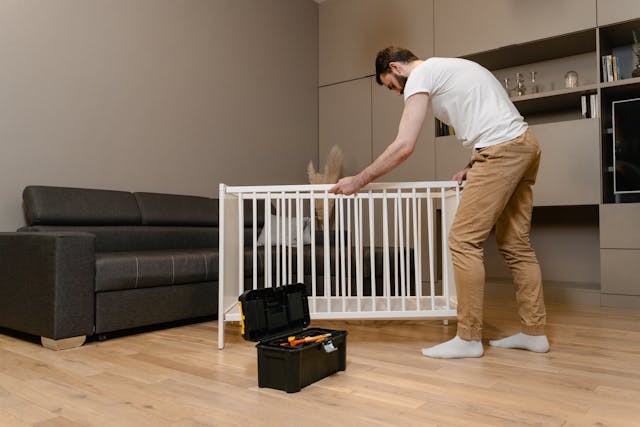
The first year with a baby moves fast. Everything changes before you have time to catch your breath. One month, you are navigating sleepless nights, and the next, your baby is rolling, sitting, and ready for the world. That’s why buying everything up front rarely works!
Babies grow quickly, their needs shift constantly, and many products are outgrown before they are fully used. A more practical approach is building a toolkit that evolves with your baby. Multi-purpose items, such as travel systems that transition easily from car to stroller, help save space, money, and mental energy.
This guide breaks the first 12 months down month by month to help you choose what you actually need, when you need it, without unnecessary overwhelm.
How to Think About Baby Gear (Before the Monthly Breakdown)
Before diving into a month-by-month list of baby essentials, it’s helpful to reconsider how you approach baby gear. The goal is not to buy more; the goal is to buy smarter.
Safety should always come first. Every product should meet current standards and work reliably for daily use. After that, focus on versatility and longevity. Babies change quickly, and items designed for only one short phase often end up unused.
Multi-use items make a noticeable difference. Products that adapt as your baby grows reduce clutter and remove pressure from decision-making. Convertible sleep solutions can move from bassinet to cot. Modular feeding gear adjusts from early sitting to toddler meals. All-in-one travel systems allow smooth transitions from car to stroller without waking your baby.
Choosing gear this way also saves time and reduces stress. Parents spend less time researching, deal with fewer returns, and feel more confident in their purchases. If you are looking for practical, parent-tested products that grow with your child, you can visit Mother’s Choice to explore options designed with real families in mind.
Read more:
- Pack Smart: Hospital Bag Tips For First-time Mums
- What Parents Appreciate About Wide-Neck Bottles For Care Comfort
- Transitioning From Swaddle to Comforter Without Tears
- From First Steps to First Smiles: The Best Way to Preserve Your Baby’s Milestones
- What Happens If A Baby Drinks Spoiled Formula Milk?
- How to Keep Your Baby Happy During a Long-Distance Relocation
Months 0–3: Survival Mode Essentials
The first three months with a newborn are about survival and simplicity. Your baby’s needs are basic, and your setup should be the same.
For sleep, focus on a safe environment with a firm mattress, a clear cot or bassinet, and breathable swaddles that help your baby settle. Safe sleep guidelines consistently emphasise uncluttered sleep spaces and placing babies on their backs.
When it comes to feeding, you only need reliable support for your chosen method. That may include nursing pillows and breast pads, or bottles and a simple sterilising solution. Extras can wait until routines are established.
For outings, a travel system is one of the smartest early investments. A carrycot that clicks into a car seat and stroller ensures smooth transitions without disturbing your baby.
At this stage, you do not need high chairs, walkers, or products designed for sitting or solids. Keeping things simple early makes later transitions easier.
Months 4 to 6: Growing, Rolling, Exploring
Between months four and six, babies become more alert and mobile. Rolling, reaching, and curiosity increase, which means your gear needs begin to evolve.
Sleep often changes during this phase. Many parents transition from swaddles to transitional sleep products, such as sleep sacks, which allow for safe movement while keeping babies comfortable.
Teething and early play essentials become more useful. Teething toys and activity mats help soothe gums while encouraging reaching, grasping, and sensory exploration.
You may also begin using adjustable seating and feeding prep items, such as floor seats or baby carriers that support developing head and back control. These tools make feeding and playtime more comfortable for both parent and baby.
Adaptable gear becomes especially valuable during this stage because it extends usability and reduces the need for frequent replacements.
Months 7–9: Sitting, Solids, and Movement
Between seven and nine months, babies can usually sit independently, explore solid foods, and move with purpose. Gear should support these developmental shifts.
A high chair that grows with your child is essential. It keeps babies safe as they move from purees to finger foods, and adjustable features allow it to fit your family’s routine and table height.
Toys also take on greater importance. Play mats and activity centres provide safe spaces for sensory exploration and cause-and-effect learning. Push toys or low walkers help support early movement and engagement.
As equipment and toys increase, organisation becomes important. Storage solutions such as bins, shelves, and baskets help keep feeding gear and toys accessible and easy to clean up.
Months 10–12: Mobility and Independence
Between ten and twelve months, babies are increasingly mobile and eager for independence. Gear that encourages movement and exploration becomes more relevant than stationary toys.
Push-along walkers, such as the VTech Sit to Stand Learning Walker or the Costway 4-in-1 Baby Walker, provide stability while supporting balance and coordination.
Convertible furniture and long-term play solutions become worthwhile investments at this stage. Adjustable activity centres and seating extend usefulness beyond infancy and reduce the need for constant upgrades.
Travel gear may also need updating. A heavier, more active baby benefits from sturdier prams and seats with higher weight limits. This ensures outings remain smooth and comfortable.
At this stage, parental focus often shifts from managing basic needs to nurturing curiosity, confidence, and independence. Choosing equipment that supports exploration helps babies develop skills while giving caregivers more flexibility during daily routines.
Buy for the Child Your Baby Will Grow Into
The first year is not about having everything. It is about having the right things at the right time. Choosing safe, adaptable gear that grows with your baby reduces stress, saves money, and builds confidence. Thoughtful choices consistently make the biggest difference.