

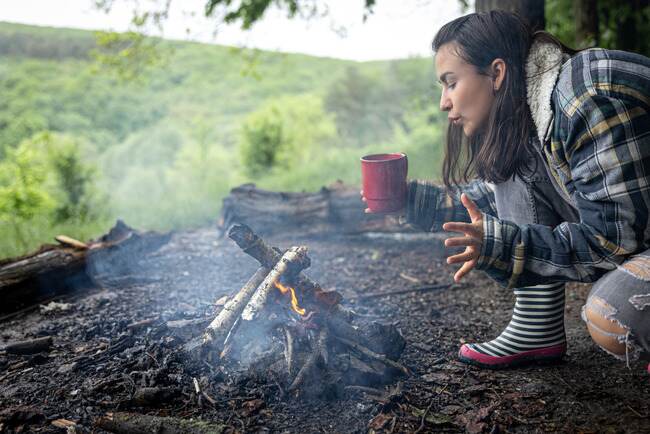
Cooking over a wood fire is an experience that elevates the aroma and flavor of food to unmatched heights. Whether you’re barbecuing, smoking meats, or baking bread, the type of wood you use is fundamental to the taste of the final dish. From the rich essence of oak to the sweetness of applewood, understanding the flavors different woods impart helps you achieve culinary perfection. When sourcing quality firewood, selecting the right type and ensuring it’s properly seasoned has a significant impact on your cooking results.
Not all woods are created equal, and using the wrong variety can spoil even the best recipe. Mastering wood-fired cooking means knowing which woods to embrace and which to avoid. As you learn the distinctions between hardwoods and softwoods, you’ll discover that the best results come from the thoughtful pairing of wood and food. Let’s examine the key factors in selecting the ideal wood for your cooking needs and how these factors influence the smoky flavors you crave.
Read more:
- How to Make Food Part of the Experience
- How to Eat Well When Cooking Feels Like a Chore
- How to Become a ChefHow to Become a Chef
- What Kind of Famous Food is Seattle Known For?
Understanding Wood Types
Woods used for cooking generally fall into two categories: hardwoods and softwoods. Each performs differently over an open flame, directly impacting the flavors and safety of your food.
- Hardwoods, sourced from deciduous trees, such as oak, hickory, and maple, burn hotter and longer than softwoods. Their slow, steady combustion provides a consistent heat source, perfect for slow-cooked barbecue and baking.
- Softwoods, derived from evergreen trees such as pine and spruce, burn quickly and unevenly, producing resinous smoke that can impart harsh or even toxic flavors to food. For cooking, it’s best to avoid softwoods altogether.
Working with hardwoods for wood-fired cooking delivers not only better flavors but also a safer culinary experience. Moisture content also matters—seasoned (properly dried) wood produces the cleanest burn and the most enjoyable smoky undertones.
Top Woods for Flavorful Cooking
When selecting wood for your smoker, grill, or fire oven, consider these popular hardwoods for their unique taste profiles:
Oak: The Versatile Choice
Oak is a go-to for pitmasters and bakers alike because of its clean burn and moderate, balanced smoke. It works well with red meats and even for baking rustic breads, contributing a subtle smoky foundation without overpowering natural flavors.
Hickory: Bold and Savory
Known for its strong, hearty essence, hickory produces a bold, savory smoke, ideal for pork ribs, brisket, and poultry. It infuses food with a robust flavor profile familiar to lovers of classic American barbecue.
Applewood: Sweet and Fruity
Applewood burns gently, releasing a lightly sweet and mild smoke. It’s an excellent choice for pork, chicken, and fish, as its flavor won’t overshadow delicate ingredients and is especially good when you want smoke to complement rather than dominate your dish.
Cherry: Mild and Sweet
Cherry wood creates a gentle, sweet smoke and imparts a gorgeous, rich color to meats. Its mild profile shines in blends but stands on its own for poultry, fish, and vegetables, adding a layer of complexity for grill enthusiasts.
Mesquite: Intense and Earthy
Used often in Texas-style barbecue, mesquite is renowned for its deep, earthy smoke. Its strength can easily become overpowering, so it’s commonly mixed with lighter woods for balance. If intensity is what you’re after, mesquite brings unforgettable flavor to beef and other robust meats.
Pecan: Nutty and Sweet
Pecan wood delivers a sweet, nutty note, similar to hickory but with more subtlety. It works equally well in gentle smoking and longer cooks, enhancing chicken, fish, and baked goods without overwhelming the dish.
Woods to Avoid
While hardwoods are culinary staples, it’s important to avoid all softwoods such as pine, fir, and spruce. Not only do these woods contain resins and sap that can taint the flavor of food, but burning them can also release irritants and toxic compounds into your meal. Stick exclusively to safe, food-grade hardwoods.
Tips for Using Wood in Cooking
Mastering wood-fired cooking requires careful selection and handling of wood to enhance culinary experiences. Using seasoned wood ensures clean combustion and avoids bitter flavors from wet wood. The size of the wood matters: larger pieces are suitable for low-and-slow barbecuing, while smaller chips are better for quick grilling. Soaking chips in water for about 30 minutes can help manage smoke release and prevent fast burning. By making informed choices about wood types and usage, cooks can experiment with flavors and achieve remarkable transformations in their recipes.
Conclusion
Choosing the right wood is a crucial element in achieving successful wood-fired cooking. Hardwoods offer clean, steady heat and distinctive flavor profiles that can elevate everything from slow-smoked meats to baked dishes, while softwoods should always be avoided for safety and taste reasons. By understanding how different woods burn and how their smoke interacts with food, cooks can intentionally shape flavor rather than leaving it to chance. With proper wood selection, seasoning, and handling, wood-fired cooking becomes a controlled and creative process that delivers consistently rich and satisfying results.