

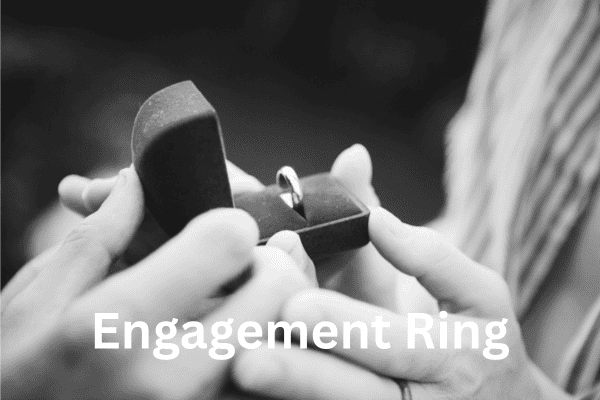
When shopping for an engagement ring, one of the first questions people ask is: What is the best diamond carat size? Carat weight is often seen as a symbol of love, status, and commitment, but choosing the right carat is about much more than simply going bigger. The best diamond carat for an engagement ring depends on personal style, lifestyle, budget, and how the diamond is cut and set.
This article explores what diamond carat really means, how it affects appearance and price, and which carat sizes are considered the most practical, beautiful, and popular for engagement rings today.
What Diamond Carat Really Means
A diamond’s carat refers to its weight, not its physical size. One carat equals 200 milligrams. Two diamonds of the same carat weight can look very different in size depending on their cut, shape, and proportions.
Carat weight impacts:
- Visual presence on the finger
- Overall price of the ring
- How noticeable the diamond appears in daily wear
It’s important to understand that carat alone does not define beauty. A well-cut smaller diamond often looks more impressive than a poorly cut larger one.
Why Carat Size Is So Important for Engagement Rings
Diamond engagement rings are worn every day, so the diamond needs to feel comfortable and practical while still looking special. Carat size plays a role in how the ring balances on the finger, how it matches the wearer’s hand size, and how it fits into everyday life.
A diamond that is too large may feel heavy or attract unwanted attention. A diamond that is too small may not provide the visual impact some people desire. The “best” carat is the one that fits naturally into the wearer’s lifestyle while still feeling meaningful.
Read more:
- Best Wedding Dresses to Match with Black Diamond Engagement Rings
- Best 3 Stores Where You Can Buy Engagement Rings
The Most Popular Diamond Carat Sizes
0.50 Carat: Elegant and Practical
A half-carat diamond is a classic choice for those who prefer understated elegance. It offers noticeable sparkle without being overpowering and works beautifully in minimalist or vintage-style settings.
This carat size is ideal for active lifestyles, professional environments, and anyone who values subtle sophistication. With a high-quality cut, a 0.50 carat diamond can look surprisingly brilliant and refined.
Best for: Minimalist styles, smaller hands, everyday comfort.
0.70–0.90 Carat: The Smart Upgrade
Diamonds just under one carat are often considered a “sweet spot.” They appear visually close to a full carat but typically cost significantly less. This range allows for excellent presence without crossing into higher price brackets.
Many buyers choose diamonds in this range to maximize value while still achieving a luxurious look. When paired with a halo or thin band, these diamonds can appear larger than their actual weight.
Best for: Value-conscious buyers who still want strong visual impact.
1.00 Carat: The Timeless Standard
The one-carat diamond is the most iconic engagement ring size. It represents balance, tradition, and timeless appeal. On most hands, a 1.00 carat diamond looks substantial without being excessive.
This size is popular because it offers versatility across different cuts and settings. Whether set as a solitaire or accented with side stones, a one-carat diamond remains elegant and universally admired.
Best for: Classic engagement rings, balanced proportions, long-term appeal.
1.25–1.50 Carats: Noticeably Luxurious
Diamonds in the 1.25 to 1.50 carat range provide a clear step up in presence. They catch the eye immediately and convey a sense of luxury without feeling over-the-top.
This range is often chosen by those who want a ring that stands out while remaining tasteful. It’s especially flattering on longer fingers or when set in simple designs that allow the diamond to shine.
Best for: Statement rings with elegance, medium to large hands.
2.00 Carats and Above: Bold and Dramatic
A diamond of two carats or more makes a strong statement. These sizes are less common and often associated with luxury and high visibility. While stunning, they require careful consideration of setting, hand size, and lifestyle.
Larger diamonds tend to feel heavier and may require sturdier settings to ensure durability. They are ideal for those who love bold jewelry and want their engagement ring to be a true centerpiece.
Best for: Glamorous styles, special-occasion wearers, bold personalities.
How Finger Size Affects the Best Carat Choice
Finger size plays a significant role in how a diamond looks once worn. On smaller fingers, even a modest carat size can appear large, while larger fingers may benefit from slightly higher carat weights for visual balance.
For example:
- Smaller fingers often look well-proportioned with 0.50–0.90 carats
- Medium fingers tend to suit 0.90–1.25 carats beautifully
- Larger fingers may look best with 1.25 carats or more
Trying on different sizes is the best way to see how carat weight translates to real-life appearance.
Diamond Shape and Its Impact on Carat Appearance
Not all diamond shapes show carat weight equally. Elongated shapes such as oval, marquise, and pear often look larger than round diamonds of the same weight because they cover more surface area.
Round diamonds tend to carry more weight in depth, which can make them appear slightly smaller from the top. Choosing a shape that maximizes face-up size can allow you to select a lower carat while achieving a bigger look.
The Role of Cut in Making Carat Look Bigger
Cut quality is one of the most important factors in how large a diamond appears. A well-cut diamond reflects light efficiently, making it sparkle more and appear larger to the eye.
Poorly cut diamonds may carry weight in the wrong places, resulting in a dull appearance despite a higher carat number. For engagement rings, prioritizing cut quality often delivers better visual impact than increasing carat weight.
Lifestyle Considerations When Choosing Carat Size
Daily habits should influence carat selection. Someone who works with their hands or prefers low-maintenance jewelry may find smaller diamonds more practical. Larger diamonds can snag on clothing or feel intrusive during daily activities.
It’s important to choose a carat size that feels natural and comfortable, not just impressive in a display case.
Budget and Carat: Where Value Really Lies
Carat weight has the greatest impact on price among the diamond characteristics. Prices increase exponentially at popular thresholds such as 1.00, 1.50, and 2.00 carats.
Choosing a diamond just below these milestones—such as 0.95 or 1.45 carats—can offer significant savings with almost no visible difference. Smart carat choices allow buyers to invest more in cut quality or setting design.
Carat Size and Long-Term Satisfaction
Trends in engagement rings change, but comfort and personal taste last. Many people find that slightly smaller diamonds feel more wearable over time, while others never regret choosing a larger stone they truly love.
The key is selecting a carat size that continues to feel right years after the proposal, not just on the day it’s given.
Final Thoughts: What Is the Best Diamond Carat?
There is no universal “best” diamond carat for engagement rings. The ideal choice depends on how the diamond looks on the hand, how it fits into daily life, and how it aligns with personal style and budget.
For many, the sweet spot lies between 0.70 and 1.25 carats—large enough to feel special, practical enough for everyday wear, and flexible enough to allow for excellent cut quality. Ultimately, the best diamond carat is the one that feels meaningful, comfortable, and timeless for the person who will wear it every day.