

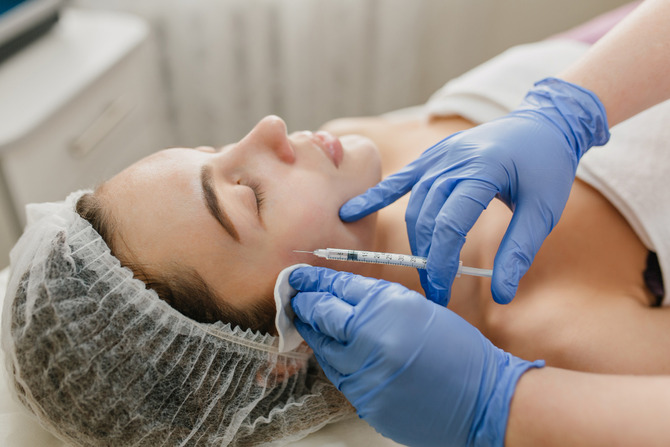
In Charlotte, NC, conversations around aging are shifting. More people are no longer waiting for deep wrinkles to appear before taking action. Instead, they are exploring preventative options that help maintain a smoother, more refreshed appearance over time. Fine lines around the eyes, forehead creases, and frown lines tend to develop gradually through repeated facial expressions and natural collagen loss. While these changes are completely normal, early awareness often leads to more informed decisions.
Some individuals begin noticing subtle lines in their late twenties, while others may not see visible signs until much later. This variation makes timing less about age alone and more about individual skin behavior. Understanding when BOTOX fits into a long-term approach allows for a more balanced, preventative mindset rather than a reactive one.
Here’s a breakdown of insights that real patients and aesthetic experts often discuss when it comes to preventative treatments.
Read more :
- How to Choose the Right Provider for BOTOX Treatments
- 4 Situations Where BOTOX May Be a Better Option Than Surgery
- Botox for First-Timers: What to Expect During and After Treatment
- Is Botox Right for You? 5 Key Signs to Help You Decide
- 6 Signs You Should Consider Botox to Reduce Fine Lines and Wrinkles
1. Understanding Preventive BOTOX
Preventative Botulinum injection isn’t about freezing your face or eliminating natural expression. Rather, it gives your facial muscles a chance to relax before lines become deeply etched. Experts often describe it as a way to “train” the face, reducing the likelihood that repeated movements—like frowning, squinting, or raising eyebrows—form permanent creases over time. Starting treatment early can soften these patterns and make them less noticeable later.
Many people consult experienced injectors to determine the best timing for prevention. These professionals can help develop a treatment plan that balances subtlety with effectiveness, ensuring that results look natural while still slowing the formation of lines. Planning ahead makes a significant difference in long-term outcomes.
2. The Typical Age Range for Starting
There isn’t a universal “right age,” but many dermatologists and plastic surgeons see preventative treatments beginning in the mid-to-late twenties. Some people in their early twenties may start if they notice frequent facial expressions that lead to early lines. By the thirties, lines often become more visible even at rest, and starting BOTOX in Charlotte, NC at this stage is still considered preventative because it can slow deep line formation rather than reverse it. Even those in their forties, fifties, or beyond can benefit, though the focus shifts more toward correction than prevention.
When exploring options locally, some patients reference clinics like Novella Form & Facial to understand general approaches and typical treatment timing. Seeing how different practices approach preventative care can help individuals make informed decisions about when to start without implying endorsement.
3. Factors That Influence Timing
Several personal factors influence when to start BOTOX:
- Genetics: Some people wrinkle earlier due to family history.
- Lifestyle: Sun exposure, smoking, and sleep positions can accelerate line formation.
- Facial expressions: People who frown, squint, or raise eyebrows frequently may notice lines sooner.
Considering these factors with a professional helps determine whether preventative treatment makes sense now, later, or in combination with other approaches like skincare or fillers.
4. Frequency and Maintenance
Preventative BOTOX isn’t a one-time procedure. Most patients follow a schedule of injections every three to six months, depending on muscle activity and desired outcomes. Early users may require smaller doses initially.
Some patients notice results almost immediately, while others see more subtle changes over several sessions. The goal is consistency without overdoing it, preserving natural expressions while slowing line development.
5. Risks and Misconceptions
A common misconception is that starting too early will leave your face expressionless. In reality, skilled injectors adjust placement and dosage to maintain natural movement.
Other concerns include temporary bruising, mild headaches, or slight drooping of nearby muscles. These effects are usually mild and short-lived. Understanding potential side effects and working with an experienced clinician reduces the likelihood of issues.
6. Combining BOTOX with Other Preventive Measures
Botulinum injection works best as part of a broader strategy. Consistent sunscreen use, quality skincare, hydration, and avoiding smoking all complement the effects. Some patients also incorporate treatments like chemical peels or gentle lasers to maintain skin texture and tone.
Approaching prevention holistically helps reduce the number of injections needed over time and supports long-term skin health.
7. Personalized Consultation Matters
There’s no single answer for everyone. A consultation allows an injector to evaluate facial anatomy, muscle strength, and skin type. They can recommend when to start, how much to use, and how to schedule future treatments.
People often find that understanding their unique risk factors—combined with guidance from a professional—removes the guesswork. It becomes less about following a number on a calendar and more about observing your own face and making informed choices.
Conclusion
Preventative BOTOX is about subtlety, timing, and thoughtful planning. Starting too late means addressing lines rather than preventing them, while starting too early without need may not provide measurable benefits. The ideal approach blends personal factors with professional insight.
Ultimately, prevention isn’t about stopping expression—it’s about preserving the natural movements that define you while slowing the appearance of lines. With careful planning and guidance, you can approach BOTOX thoughtfully, knowing the goal is a refreshed, natural look rather than a frozen one.