

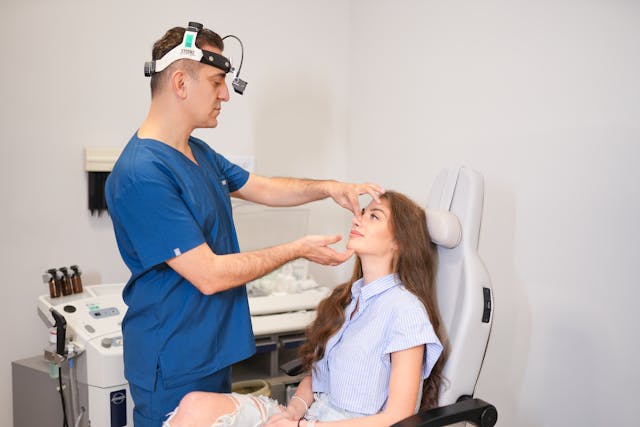
Thinking about plastic surgery usually starts quietly. A small thought, a feature you’ve been noticing more, or just a curiosity about what’s possible. Then at some point, it turns into a consultation. That first meeting matters more than people expect.
If you’re considering a procedure in a place like Washington, D.C., where options are plentiful and expectations tend to be high, knowing what to ask can make the whole process feel less overwhelming. It helps you stay focused, and honestly, it gives you a better sense of who you’re trusting with your care.
A consultation is not just about hearing what can be done. It’s also about understanding how and why. These four questions tend to bring out the kind of answers that actually help you decide.
1. What Results Are Realistic For Me?
This is usually the first thing people want to know, but it’s often asked in a vague way. Instead of asking what the “best” result looks like, it helps to make it personal. What will this look like on your face, your body, your skin?
During conversations with a plastic surgeon Washington DC, patients often learn that outcomes depend on factors like skin quality, bone structure, and healing patterns. That’s why two people asking for the same procedure can end up with very different plans. Surgeons such as Dr. Christopher C. Chang often walks patients through these variables early, focusing on how each factor shapes the final result. They review your goals, overall health, and possible treatment paths before any decisions are made.
That kind of structure helps shift the focus away from chasing a specific look and toward understanding what will actually suit you best. It also makes the process feel more collaborative, rather than something being decided for you.
Read more:
- The Evolution of Beauty Standards: Exploring Cultural Shifts and Trends in Plastic Surgery
- Considering Body Contouring Surgery? 5 Signs a Tummy Tuck Might Be Right for You
2. What Does The Recovery Actually Feel Like?
People ask about recovery all the time, but the answers they get are often too general. “A few weeks” or “minimal downtime” does not really tell you what your daily life will look like.
A better way to ask this is to break it down. What will the first few days feel like? When can you return to work? When will swelling or bruising start to settle?
In practice, this is where consultations become more honest and useful. Some procedures come with mild discomfort but noticeable swelling. Others may feel fine physically but require patience while results settle. Knowing this ahead of time helps you plan your schedule and avoid surprises.
For example, many patients are surprised to learn that swelling can last a long time, even when everything is healing properly. That does not mean something is wrong; it just means the body is taking its time. Having that expectation early can make the recovery period feel less stressful.
3. What Risks Should I Be Aware Of In My Case?
Every procedure has risks, but not all risks apply the same way to every person. This is where a more specific conversation matters.
Instead of asking “is it safe,” it helps to ask what risks are more likely based on your health, your age, or even your lifestyle. Are there habits or conditions that could affect healing? Are there steps you can take to reduce certain risks?
The U.S. Food and Drug Administration emphasizes that understanding risks is part of informed consent, not something to skim over. Still, many people rush through this part because it feels uncomfortable to think about complications.
What we’ve seen is that patients who take time here tend to feel more confident later. Not because the risks disappear, but because they understand them clearly. That clarity can make a big difference when you’re deciding whether to move forward.
4. How Do You Decide The Right Approach For Me?
This question opens up one of the most important parts of the consultation. It shifts the focus from the procedure itself to the thinking behind it.
There is rarely just one way to approach a cosmetic concern. Sometimes it’s a choice between surgical and non-surgical options. Other times, it’s about technique, timing, or combining treatments for a better result.
When you ask this, you’re really asking how decisions are made. What factors matter most? How do they weigh trade-offs? What happens if you choose a more conservative option versus a more extensive one.
It also gives you a chance to see if the approach aligns with your own goals. Some people want noticeable change. Others prefer something that looks more gradual. There is no single right answer, but there should always be a clear reason behind the plan.
Conclusion
A consultation can feel like a lot of information all at once. It’s easy to focus on the procedure itself and forget that the questions you ask shape the entire experience.
When you take the time to ask about realistic results, recovery, risks, and decision-making, the conversation shifts. It becomes less about being told what’s possible and more about understanding what makes sense for you.
That shift matters. It helps you feel more prepared, more informed, and more in control of the choices ahead. And in something as personal as plastic surgery, that kind of clarity goes a long way.