

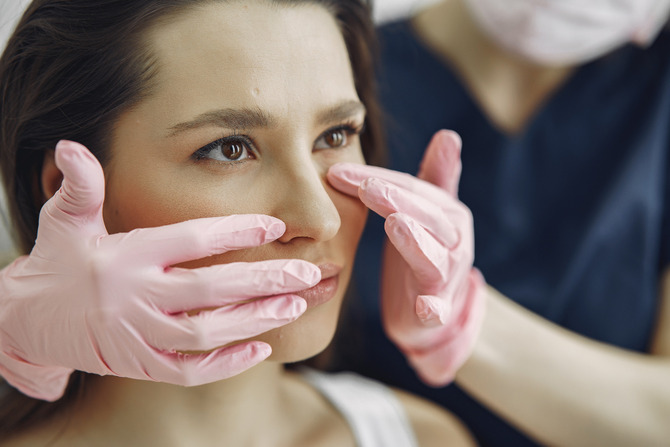
The decision to reshape your nose often comes after months, sometimes years, of thinking it through. But once the procedure is done, a different kind of journey begins. Recovery. And it is not always as straightforward as people expect.
In places like Portland, where cosmetic procedures are widely discussed and carefully planned, many patients focus heavily on the final results. What often gets less attention is what happens in the first few weeks after surgery. That first month can feel like a mix of progress, patience, and small surprises along the way.
Here is what that early recovery period usually looks like, broken down into real, noticeable changes.
Read more: How Nose Surgery Works and What Patients Should Expect in Miami
1. Swelling Becomes the Main Focus
Right after surgery, swelling is hard to miss. It is often the first thing people notice, and sometimes the most frustrating part. Your nose may look larger than expected at first, which can feel confusing if you were hoping for immediate results. But swelling is a normal part of healing and shows that your body is responding as it should. For patients considering rhinoplasty in Portland, understanding this stage early can make the process feel less overwhelming. It helps you stay patient during the initial phase.
This part of recovery can feel slow, especially when changes are not immediately visible. That is where proper guidance makes a difference. In clinical discussions, teams such as Portland Plastic Surgery Group are often noted for helping patients track progress realistically instead of focusing on day-to-day changes. This approach can make the healing process feel steadier and easier to trust over time.
2. Bruising Around the Eyes Is Common
In the first week, bruising around the eyes can look more noticeable than expected. For some, it appears as light discoloration, while others may see darker patches that take a few days to fade. This happens because the tissues around the nose and eyes are closely connected, so swelling and bruising tend to spread naturally in that area.
Although it may feel concerning at first, it is a normal part of the healing process. Most bruising fades within 10 to 14 days, and the area gradually returns to normal. The early days can feel slow, especially when changes are visible, but improvement usually happens steadily.
3. Breathing Feels Different
Breathing through your nose can feel restricted during the early days after surgery. This is usually due to internal swelling, and in some cases, splints or packing can worsen the blocked feeling. It may feel like constant congestion, even when you are not sick.
As the swelling begins to go down, breathing slowly improves. It does not happen overnight, but each week tends to feel a little easier than the last. This stage requires patience, as the body needs time to adjust and heal internally.
4. The Shape Looks Different Day to Day
In the first few weeks, it is common for your nose to look slightly different from one day to the next. Some days it may appear more refined, while on others, swelling can make it look less defined. These changes can feel confusing, especially if you are expecting steady progress.
Healing does not follow a straight path. Small fluctuations are part of the process, and they do not reflect the final result. It can help to avoid focusing on daily changes and instead give your body time to settle. The overall shape becomes clearer gradually, not instantly.
5. You Start Feeling Better Before You Look Fully Healed
Around the second or third week, many people begin to feel physically better. Energy levels improve, and daily routines start to feel more normal again. However, the visible healing may still be in progress, with some swelling or unevenness still present.
This can feel slightly mismatched. You feel fine, but the mirror does not fully reflect that yet. It is a common part of recovery and usually balances out over time as the external healing catches up with how you feel.
6. Small Sensations and Tightness Appear
As healing continues, you may notice sensations like tightness, tingling, or slight numbness around the nose. These are related to the nerves and tissues adjusting after surgery. While they can feel unfamiliar at first, they are generally expected during this stage.
These sensations tend to come and go throughout the first month and gradually fade as healing progresses. It is a subtle part of recovery, but a normal one, and usually improves without any additional treatment.
7. You Begin to See Early Results, Slowly
By the end of the first month, something shifts. The swelling starts to reduce enough for you to notice early changes in shape. It is not the final result. Not even close. But it is enough to give you a glimpse of what is coming.
This stage often brings a mix of relief and curiosity. You start to see progress, but you also realize there is still more healing ahead. That balance between visible improvement and ongoing recovery is what defines the first 30 days.
Conclusion
The first month after rhinoplasty is not just about healing. It is about adjusting, both physically and mentally. Some days feel encouraging. Others feel slower than expected. But that is how recovery works. It moves forward, even when it does not feel obvious.
Understanding these changes ahead of time can make the process feel less uncertain. You are not guessing what is happening. You are recognizing it as part of a normal recovery. And that alone can make the experience a little easier to navigate.