

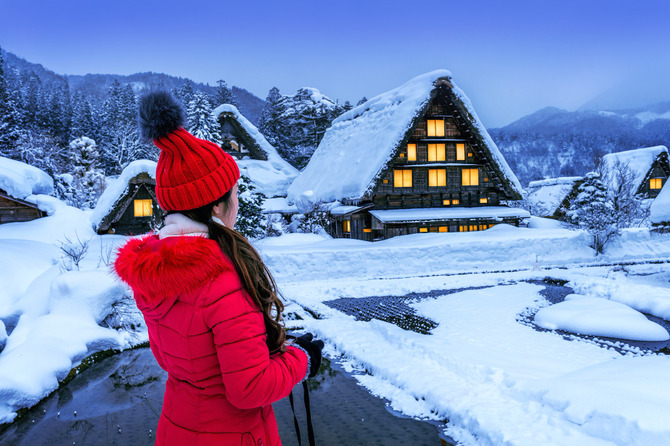
Japan has a way of tempting travellers to fit in just one more experience. For many, that means trying to add a few days in the snow to an already full itinerary of cities, temples, and food. It sounds ambitious, but with a bit of planning, it is very possible to enjoy both sides of the country in a single trip.
The idea of waking up in Tokyo, then carving through soft snow the next morning, feels almost unreal. Yet the country’s train network, compact resorts, and well organized services make short ski breaks surprisingly easy to schedule. The challenge is not whether it can be done, but how to make it feel relaxed rather than rushed.
With the right base, realistic timing, and clear expectations, travellers can enjoy a gentle taste of winter without sacrificing their bigger Japan journey. Instead of feeling like a separate trip, those days in the snow can become a refreshing pause between busy city stops, giving the itinerary a smoother rhythm and added variety.
Read more:
- Why is the Pink Triangle not a ski slope difficulty rating like Green Circle, Black Diamond, and Blue Square?
- Winter in The Fair City: Does It Snow in Dublin, Ireland?
Choosing Where a Snow Break Fits
The first big decision is where to place the snow days in the wider route. Some travellers like to start in the city, then move into the mountains once they have shaken off jet lag. Others prefer to keep the snow in the middle as a break between sightseeing stops, or save it for the end as a calmer finish before flying home.
Placing the snow break near a major transport hub often makes everything easier. Resorts near Tokyo, such as those in Nagano and Niigata, are popular because they connect to shinkansen train lines and make it simple to move on to Kyoto or Osaka afterward. Travellers who are already heading north to Hokkaido may choose to fly into Sapporo and link their city time in Osaka or Tokyo with a separate domestic flight.
Matching Days to Expectations
Short snow breaks work best when the number of days matches the goal. Someone who mainly wants to see snow, enjoy a hot drink with a view, and try a short ski lesson might be satisfied with just one or two days on the slopes. In contrast, a keen skier planning to explore multiple runs or improve skills might feel more comfortable with three to four days.
Being honest about energy levels is also important. Long travel days followed immediately by early ski starts can leave people more tired than they expect. Building in a slower arrival evening, or planning a half day on the first day can help everyone settle in, collect rental gear, and learn the layout of the resort without feeling rushed.
Picking a Resort That Fits the Itinerary
For a short break, convenience often matters more than visiting the most famous mountain. Resorts that sit close to major train lines or offer organised day tours from big cities can save a lot of time. Near Kyoto and Osaka, for example, Biwako Valley and Hakodateyama are reachable on day tours that include transport and basic arrangements, which is reassuring for first time visitors or families.
Around Tokyo, places near Nagano and Yuzawa are popular because travellers can reach them in just a few hours on the bullet train, spend a full day in the snow, then easily continue their route to other cities. Some smaller resorts have broad gentle slopes and compact layouts that are especially comforting for beginners who do not want to feel overwhelmed on a large mountain.Snow Break
Balancing Snow Days with the Rest of Japan
The snow part of the trip should enhance the overall itinerary, not overshadow it. That means keeping transfers simple, choosing one base instead of moving between multiple resorts, and resisting the urge to fill every hour with activities. A relaxed evening in an onsen, a quiet walk through a snowy village, or a simple meal at a local restaurant can become just as memorable as time on the lifts.
It also helps to plan according to the season. For example, someone visiting in deep winter might plan city sightseeing during the warmest part of the day and enjoy early sunsets and winter light in the mountains. Others visiting as the season winds down may focus more on mixed activities such as snow play, scenic ropeways, and village strolls rather than only chasing fresh powder.
Making the Most of a Short Ski Stay
Choosing Terrain and Atmosphere
When time is limited, the atmosphere of the resort can shape the whole experience. Beginners and casual skiers often feel more comfortable at resorts known for wide, gentle slopes and clear signage, such as Furano in Hokkaido or family focused areas near Nagano and Yuzawa, where green runs make up a large share of the terrain. Travellers who want more nightlife, international restaurants, and English friendly services might look toward bigger hubs like Niseko or Hakuba, though these can involve longer travel and feel busier.
A short break is not always the time to attempt the most advanced terrain. Instead, choosing slopes that match the least experienced member of the group can keep everyone relaxed. Many Japanese resorts also offer lessons in English or with multilingual staff, which can give first timers confidence and help them feel safe on the mountain. This is where readers naturally start thinking about the best ski resorts in Japan for their own comfort level and schedule, even if they are only planning a short stay.
Practical Planning for a Smooth Snow Pause
Since this snow time is just one part of a longer journey, practical planning can prevent stress from spilling into the rest of the trip. It is helpful to book accommodation that is either ski in and ski out or offers simple shuttle access to the lifts, so mornings stay calm and predictable. Resorts that offer rental gear on site or through prebooked packages can save travellers from carrying heavy equipment across multiple cities.
It is also wise to plan luggage early. Many visitors use same day or overnight luggage forwarding services to send big suitcases from one city hotel to the next, carrying only a smaller bag into the mountains. That way, when the snow break ends, they can step off the train back into the city and find their main bags waiting, ready for the next chapter of the trip. Small steps like this turn the snow stay into a gentle pause rather than a logistical headache.
Bringing It All Together
In the end, a short snow break within a bigger Japan itinerary is less about doing everything and more about selecting the right activities. When the resort is easy to reach, the number of ski days fits the group’s energy, and logistics feel simple, those moments in the snow can add calm, joy, and variety to an otherwise busy route.
For many travellers, the sweetest memories are not just the runs themselves but the contrast between experiences. One day might be spent under neon lights in Tokyo, the next watching snow fall softly outside a mountain lodge, and the following day riding a train toward ancient temples in Kyoto or Nara.
Anyone who has been hesitating to add a snow stay to their Japan plans might find it reassuring to start small. A well planned two or three day break can offer a gentle taste of winter, help them learn what they enjoy, and perhaps inspire a future trip built entirely around the snow, once they are ready for more.
What part of your broader Japan route are you most unsure about when fitting the snow days around right now?