

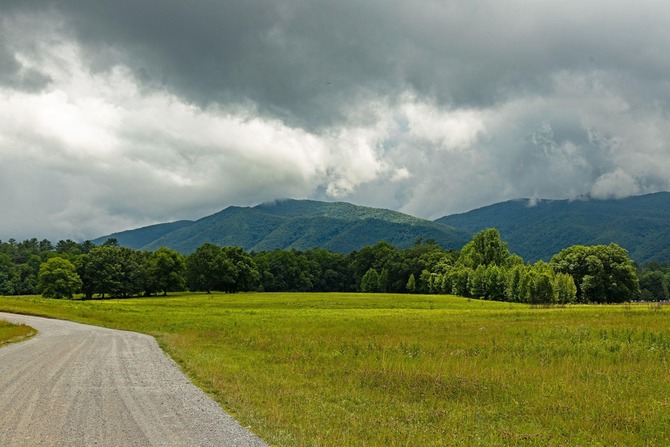
What’s the first thing that comes to mind when someone says “mountain vacation”? Peace and quiet? Glorious views? Instagrammable coffee mugs next to pine-framed windows? That all checks out. But for first-time travelers, the mountain dream can hit a rocky patch fast — literally — if you’re not ready for what these high-altitude escapes actually involve.
More travelers are starting to swap beach getaways for mountain escapes, especially as interest grows in slower, screen-free vacations. Destinations like the Great Smoky Mountains — often just called “the Smokies” — appeal to people craving quiet mornings, fresh air, and a break from packed schedules. With remote work blurring the lines between office and home, the idea of escaping to higher ground has gained fresh appeal, even for those who’ve never tried it before.
But here’s the catch — the charm of the mountains comes with a learning curve. Forget to prep properly, and your peaceful cabin getaway becomes a cold, soggy misadventure in the woods. In this blog, we will share how to prepare smartly for your first mountain vacation so you can enjoy the highs without the headaches.
Read more:
- Little Moments That End Up Being the Best Part of a Mountain Vacation
- What First-Time Visitors Should Know About the Smoky Mountains
- A Road Trip Through the Smoky Mountains: Scenic Drives You Can’t Miss
- Outdoor Adventures You Can Enjoy When Staying in Murphy, NC
Choosing the Right Place to Stay
This is where first-time travelers often go from excited to overwhelmed. The options are endless, and not every listing tells the full story. If you’re considering cabin rentals in the Smokies, you’re already looking in the right direction. These rentals offer a balance of comfort, privacy, and proximity to trails and attractions. They’re ideal for both short getaways and longer stays.
What makes cabin rentals different from a regular room? For starters, space. You’ll often have your own kitchen, multiple bedrooms, and a porch with a view that doesn’t come with a price tag per person. Many cabins also come with hot tubs, fireplaces, and even game rooms — all great if you’re traveling with family or a group of friends.
Of course, location still matters. Some cabins are tucked deep into quiet hills, while others are five minutes from major attractions. Decide if you want total seclusion or easy access to restaurants and activities. If you’re not sure where to begin, Visit My Smokies offers a curated list of options based on size, budget, and amenities, without making you scroll through endless tabs.
Don’t Wing the Weather
Mountain weather is nothing like the city. It shifts fast and dramatically. A clear morning can turn into a thunderstorm by afternoon. That cozy fog you woke up to might mean icy roads if you’re visiting in winter. Checking the forecast once isn’t enough. Monitor it regularly, especially a few days before your trip.
If you’re traveling in spring or fall, expect a little of everything. Summer can bring heat in the valleys but cooler temps at higher elevations. Winter is no joke, particularly in remote areas where snow removal is slower and roads can close.
Food and Supplies: Bring More Than You Think
Grocery stores get sparse the higher you go. While some towns near popular mountain destinations have full supermarkets, others have only a gas station or a small general store. That means it’s smart to stock up before you reach your cabin.
Bring the basics: coffee, snacks, breakfast staples, and anything you don’t want to hunt down later. If your cabin has a full kitchen, consider prepping a meal or two in advance. This saves time and keeps you from relying on limited dining options — especially during off-season months when restaurants close early or don’t open at all.
And no, this isn’t about roughing it. It’s about controlling the small things that can throw off your day. Want pancakes in the morning? Better bring syrup. Don’t assume where you’ll live will have salt. It might, or you might end up with unseasoned spaghetti.
Entertainment Beyond Screens
This one’s easy to overlook, especially if you’re used to streaming your way through the evening. As mentioned, mountain Wi-Fi can be hit or miss. That’s not a complaint — it’s a chance to reconnect with other types of fun.
Bring books. Pack cards or board games. Download playlists and audiobooks ahead of time. If you’re traveling with kids, grab a few activity books or puzzles. And consider this: the mountains make an excellent backdrop for journaling, sketching, or simply sitting still — a luxury most of us forget exists.
Think about what you actually want from the trip. For many, it’s not just about sightseeing. It’s about slowing down. Replacing buzz with quiet. That’s hard to schedule but easy to enjoy if you leave room for it.
Safety First, Even on Vacation
Mountain vacations don’t usually scream “danger,” but accidents happen in the most peaceful places. Slippery trails, wildlife encounters, even altitude changes can cause trouble if you’re not paying attention.
Always tell someone where you’re going, especially before a hike. Stick to marked paths. If a trail is labeled “moderate,” assume it’s more difficult than it sounds if you’re not used to elevation. And yes, bears exist. Don’t feed them. Don’t approach them. Don’t treat them like curious dogs.
A Different Kind of Recharge
It’s easy to romanticize the mountains. And yes, they’re beautiful. But what makes a mountain vacation work isn’t just where you go — it’s how you go. Preparation isn’t the opposite of spontaneity. It’s what makes spontaneity enjoyable instead of stressful.
Whether you’re looking to hike, nap, or just breathe a little deeper, the mountains can deliver. But like most things worth doing, they reward those who plan. So check your gear. Stock your snacks. Choose your cabin with care. The mountains aren’t going anywhere — but your chance to enjoy them the right way might be just around the bend.
So, what are you waiting for?