

Have you ever looked at a photo of yourself and thought, That’s not how I feel inside? Maybe the lighting was harsh. Maybe you were mid-sentence. Or maybe those expression lines that once appeared only when you laughed or frowned have decided to stay a little longer than invited.
In places like Newport Beach, where wellness and aesthetics often intersect with everyday life, those small changes tend to spark quiet curiosity rather than urgency.
Botox has been studied and discussed in medical literature for decades, including detailed clinical analyses published in various journals. That level of documentation matters. It reminds us that Botox isn’t simply a passing beauty trend; it’s a treatment grounded in science, with both cosmetic and therapeutic applications.
Still, statistics don’t make decisions for you. The real question is quieter and more personal: does Botox fit your face, your goals, your comfort level?
Here’s how to figure that out.
Read more:
- 6 Signs You Should Consider Botox to Reduce Fine Lines and Wrinkles
- Deep-Plane Facelift Explained: 5 Things to Know Before Booking a Consultation
- What Results Can You Expect From a Facelift Treatment
- How to Know If You’re a Good Candidate for a Facelift?
What Exactly Is Botox?
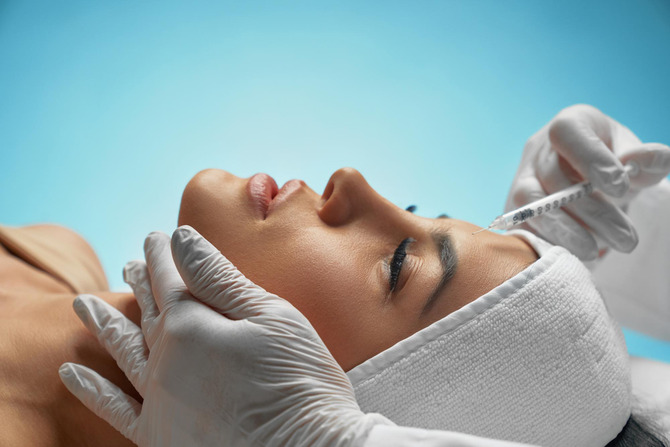
Botox is a purified form of botulinum toxin type A that temporarily relaxes specific muscles by interrupting the signals that cause them to contract. In cosmetic treatments, that relaxation softens the repetitive movements responsible for expression lines, typically on the forehead, between the brows, and around the eyes. It doesn’t fill wrinkles or resurface skin. It simply reduces muscle activity in targeted areas.
In some places that are aesthetically forward areas, it’s common for people to quietly research treatments before ever booking an appointment, often starting with searches for options like botox in Newport Beach simply to understand what the experience actually involves.
That’s usually where practices such as Richard H. Lee Plastic Surgery come into the conversation, not as a push toward treatment, but as a place where muscle movement, facial balance, and long-term goals are evaluated thoughtfully. The emphasis tends to be on precision rather than volume, and subtlety rather than obvious change.
Results develop gradually over several days, peak around two weeks, and typically last three to four months before muscle activity returns.
Now, here’s how to tell whether it makes sense for you.
5 Signs Botox May Be Right for You
Not everyone who’s curious about Botox is automatically a candidate. Certain patterns, both cosmetic and medical, tend to signal when it might be a practical option.
1. Presence of Dynamic Wrinkles
You notice lines that appear specifically when you smile, frown, squint, or raise your eyebrows. At first, they fade quickly, and then they linger. These are dynamic wrinkles, created by repeated muscle movement over time. Botox is designed for exactly this type of line. If your concern centers around expression-based creasing rather than deep folds at rest, it may be a suitable match.
2. Desire for Preventative Care
You’re in your late 20s to early 40s and starting to see faint lines that weren’t there a few years ago. They’re not severe. Just persistent. Some people choose Botox preventatively to reduce muscle repetition before lines become etched into the skin. This approach is usually conservative, smaller doses, subtle adjustments. The goal isn’t unrealistic change, but slowing progression.
3. Non-Cosmetic Needs
Botox isn’t limited to aesthetics. It’s commonly used for chronic migraines (15 or more headache days per month), excessive sweating known as hyperhidrosis, and jaw clenching or teeth grinding involving the masseter muscle. In these cases, the objective shifts from cosmetic enhancement to functional relief, fewer headaches, reduced tension, and improved comfort.
4. Facial Asymmetry
One brow arches slightly higher. Your smile pulls unevenly in photos. Often, asymmetry comes from muscle dominance rather than structural imbalance. Strategic Botox placement can relax the stronger side, creating better harmony. Not perfection. Just refinement.
5. Good Health and Realistic Expectations
You’re generally healthy, not pregnant or breastfeeding, and you understand that results are temporary. Botox requires maintenance every few months to sustain effects. It won’t overhaul your appearance or erase every sign of aging. The best outcomes are subtle enough that most people can’t pinpoint what changed; they just notice you look more relaxed.
Who Should Avoid or Consult a Doctor First
Botox isn’t appropriate for everyone. Individuals with certain nerve or muscle disorders should consult a physician before considering treatment. Those with active skin infections at the injection site or known allergies to Botox ingredients should avoid it. People taking certain blood thinners may be at increased risk of bruising and should disclose all medications during consultation.
A qualified provider will thoroughly review the medical history before proceeding. That conversation is part of the process, not a formality.
To Sum It All Up!
The choice to try Botox isn’t purely cosmetic. It’s emotional, practical, sometimes even preventative.
If you’re considering it because you feel pressured or compared, that’s worth pausing over. But if you’ve noticed specific lines that don’t reflect how you feel, if you’re seeking relief from migraines or jaw tension, or if you simply want a controlled, temporary way to soften certain features, it may be worth exploring.
A consultation with a qualified dermatologist or plastic surgeon is the clearest next step. They can evaluate your muscle movement, discuss your goals, and determine whether Botox is appropriate for your situation.
There’s no urgency or any universal timeline. Just information, reflection, and a decision that should feel steady and entirely yours.