

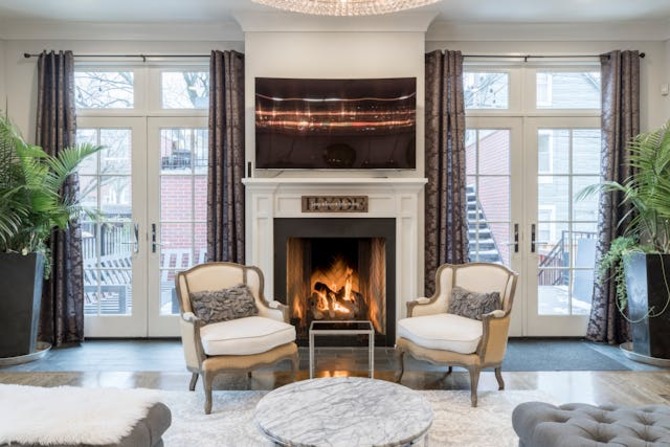
In Greenfield, MA, many homes offer character, history, and charm. What they do not always offer is a large living room. If you live in a classic home or a compact apartment near downtown, you may know the struggle. The sofa feels too big. The walkway feels tight. No matter how much you tidy up, the room still looks crowded.
A small living room can affect how you relax, host guests, and even move through your day. The good news is you do not need major renovations to fix it. With smart layout choices and practical design changes, you can make your living room feel comfortable without adding square footage.
Read more:
- Design Tricks That Make Small Living Rooms Feel Spacious
- Designing a Living Room That Balances Comfort and Style
- Creating Visual Flow Between Bathrooms and Living Spaces
- Home Renovation Tips: Easy Upgrades to Refresh Your Living Space
Clear the Room Before You Redesign It
Before you move furniture or buy anything new, start by clearing the space. Remove décor, small tables, stacks of magazines, and anything that does not serve a daily purpose.
Look at each piece and ask if it belongs in this room. If it does not support how you use the space, move it out. Even removing one bulky chair or unused side table can improve flow. A clean starting point gives you control and helps you plan with clarity.
Store What You Do Not Use Every Week
Many living rooms feel cramped because they hold items that belong elsewhere. Extra décor, old electronics, stacks of books, or seasonal items take up valuable space. Keep only what you use or enjoy on a regular basis in the room. Move rarely used items to another part of your home.
If storage space at home feels limited, some residents choose storage facilities to keep off-season furniture, holiday décor, or keepsakes secure but out of the way. For storage units Greenfield MA residents choose facilities that offer secure access, flexible unit sizes, and convenient hours so they can store belongings without giving up space inside their homes.
Rotating items throughout the year helps prevent buildup. A living room should support daily life, not function as long-term storage. When you reduce what lives in the space, the room instantly feels lighter.
Rearrange Furniture for Better Flow
Most people push all furniture against the walls, thinking it will make the room look larger. In reality, that can make the center feel empty while the edges feel crowded. Instead, try pulling the sofa a few inches away from the wall. Angle a chair slightly to open up the walking path. Create a clear route from one side of the room to the other.
Walk through the space and notice where you feel blocked. Adjust pieces until movement feels natural. Avoid placing furniture where it interrupts doorways or windows. When people can move easily without squeezing past objects, the room feels bigger. Good flow changes how the room functions, not just how it looks.
Make the Most of Vertical Space
Floor space is limited in a small living room, so look up. Use your walls wisely. Floating shelves offer storage without the bulk of large bookcases. Mount the television instead of placing it on a wide media stand. Hang curtains closer to the ceiling to draw the eye upward.
Vertical design creates the feeling of height, which helps the room feel larger. Keep shelves neat and avoid overfilling them. A few well-placed items look better than crowded rows of décor. When you free up floor space and use walls with purpose, the room feels less cramped and more organized.
Stick to a Calm and Simple Color Plan
Color has a strong impact on how large a room feels. Dark or busy patterns can close in a small space. Lighter, softer shades help reflect light and create a clean look. Choose one main color for walls and larger furniture pieces. Add one or two accent colors through pillows or art.
Keep the contrast low between major surfaces. For example, curtains that match or closely blend with the wall color help avoid sharp visual breaks. Too many color changes make the room feel busy. A simple color plan creates visual flow and helps everything feel connected. When your eyes move smoothly across the space, the room naturally feels larger.
Let Natural Light Shape the Space
Natural light changes how a room feels more than most décor choices. A bright room looks larger because light reduces harsh shadows and makes corners easier to see. Start by checking what blocks your windows. Large furniture, heavy curtains, or tall décor pieces can limit how much daylight enters the room. Use sheer or lightweight curtains that allow light to pass through while still offering privacy.
Place mirrors across from windows to reflect daylight deeper into the room. This spreads brightness without adding new light fixtures. Keep window sills clear to avoid visual clutter. When you allow light to move freely, the room feels open, clean, and easier to enjoy during the day.
Keep Surfaces and Cords Under Control
Small details affect how large a room appears. Tangled cords, crowded shelves, and cluttered tables draw attention and shrink the visual space. Use cord organizers or clips to guide wires behind furniture. Mount power strips out of sight when possible.
Limit what stays on coffee tables and side tables. A tray for remotes or coasters keeps items contained instead of scattered. Store small electronics, chargers, and papers in closed drawers or baskets. Open surfaces allow your eyes to move freely around the room. When visual clutter stays under control, the space feels calm and structured. Clean surfaces do not just look good. They make the entire room feel more spacious.
A small living room does not need more square footage to feel comfortable. It needs better planning. When you improve layout, choose the right furniture scale, control clutter, and use light wisely, the room starts to function better. Each decision should support how you live every day.
Focus on flow, purpose, and simplicity. Remove what you do not need. Keep pathways clear. Let light move freely. Small changes add up quickly. With thoughtful adjustments, your living room can feel open, organized, and welcoming without major expense or renovation. The space may be compact, but it can still feel balanced and easy to enjoy.