

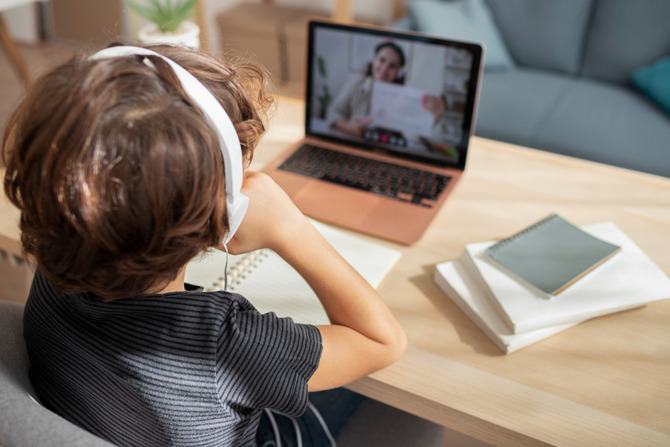
Every parent knows the daily struggle of homework time. Trying to get a child to focus at a cluttered kitchen table while dinner is cooking is a recipe for frustration. The same applies to teachers trying to organize a welcoming, effective space for thirty energetic students. We all intuitively know that the physical environment affects how kids feel and learn. However, figuring out exactly how to arrange that space can feel overwhelming.
For years, parents and educators have relied on trial and error. You might buy a desk, push it against a wall, and hope it works. Today, technology offers a much better approach. Using an intuitive AI classroom design platform allows you to completely reimagine a learning space before you spend a single penny. Whether you are transforming a small corner of a bedroom into a homework nook or redesigning an entire school room, this technology brings your ideas to life instantly.
Key Takeaways
Before we explore the fascinating connection between environment and learning, here is a quick summary of how digital design tools are helping modern families and schools:
- Instant Visualisation: You can upload a photo of an empty or cluttered room and instantly see it transformed into an optimized learning environment.
- Tailored to the Child: Smart tools allow you to design spaces based on specific needs, such as sensory-friendly zones or high-energy creative corners.
- Unified Workflow: Modern platforms let you edit specific objects and shop for real, child-safe furniture on a single digital canvas.
- Cost Efficiency: Testing different layouts digitally prevents expensive mistakes, ensuring every piece of furniture fits perfectly.
- Enhanced Focus: Studies show that well-designed educational spaces significantly boost a child’s concentration and overall academic progress.
Read more:
- The Role of Fast Internet in Supporting Kids’ Digital Education at Home
- Raising Curious Kids: How These History Books Turn Family Reading Time Into Adventures Through the Past
- Lessons School Reunions Can Teach You
- How Early Childhood Educators Shape Little Minds
Why the Physical Environment Matters for Little Learners
It is easy to assume that a child can learn anywhere as long as they have a book and a pencil. Science tells a very different story. The physical space surrounding a child has a profound impact on their cognitive load, emotional well-being, and ability to absorb new information.
A landmark study conducted by the University of Salford, known as the “Clever Classrooms” report, found compelling evidence on this topic. The researchers discovered that the physical layout, lighting, and color of a learning space can alter a child’s academic progress by up to 16% in a single year. This applies just as much to a home study area as it does to a traditional school.
When a room is too dark, kids strain their eyes and lose energy. When a space is too visually cluttered with brightly colored toys and posters, their brains become overstimulated. Finding the perfect balance is essential. You need a space that feels calm enough to support deep focus but inspiring enough to spark creativity. Achieving this balance is exactly where digital planning becomes invaluable.
Visualising Better Spaces Without the Guesswork
Imagine standing in your spare room. It currently holds a drying rack, an old sofa, and boxes of winter clothes. You want to turn it into a dedicated playroom and study area for your kids. Staring at the clutter makes it almost impossible to picture a clean, Scandinavian-style learning zone.
In the past, you would need to sketch a layout on paper or hire a professional interior designer. Now, the process is incredibly accessible and completely conversational. You simply take a photo of the messy room and upload it to a smart design platform.
You then use everyday language to describe what you need. You might type a prompt asking for “a bright, Montessori-inspired learning space with low wooden shelves, a sturdy reading desk, and soft sage green walls.” Within moments, the system processes your request. It clears the digital clutter and generates a realistic image of your new space. There is no guesswork involved. You can immediately see if the green walls look calming or if the desk fits nicely near the window.
Moving Beyond Generic Inspiration
We all love scrolling through Pinterest or Instagram for ideas. The problem is that a beautiful picture of a massive, sunlit playroom in Australia does not help you organize a small, narrow box room in Ireland.
True innovation happens when technology works with your actual floor plan. Intelligent platforms adapt their designs to the unique constraints of your home. They recognize where the windows are, where the doors open, and how much usable floor space is actually available. This bespoke approach ensures that your inspiration can become a reality.
Finding Your Flow with Paintit.ai
As you start experimenting with different layouts for your child’s space, you will notice that bouncing between different apps breaks your concentration. You generate a picture on one site, search for a similar desk on another, and try to calculate your budget on your phone. It is a frustrating and disjointed experience.
This is where platforms like Paintit.ai are completely changing the landscape. The entire philosophy of Paintit.ai is built around keeping you in a “flow state”. This means you experience an uninterrupted loop of prompting, visualizing, refining, and buying, all on one single screen.
Suppose you generate an image of a study room, but you realize the chair looks too big for your seven-year-old. With Paintit.ai, you do not need to start the whole process over. You simply use intuitive, on-image tools to select the chair and ask the system to replace it with an ergonomic, child-sized seat. The platform understands the context of the room and makes the targeted change instantly.
This level of empathy in digital design is revolutionary. The system acts less like a basic software program and more like a helpful, human designer. It understands personal and cultural nuances, guiding you toward choices that genuinely suit your family’s rhythm.
Designing for Different Ages and Needs
Children grow incredibly fast, and their environmental needs change with them. A space that works perfectly for a toddler will not support a teenager studying for their Leaving Cert. Smart design tools allow you to future-proof your home by visualizing how a room can evolve over time.
The Early Years: Play and Discovery
For toddlers and preschoolers, learning is all about physical play and discovery. You need open floor space, low storage bins that encourage independence, and safe, rounded furniture. Using a design tool, you can visualize how a bulky toy kitchen fits alongside a small reading teepee. You can experiment with soft, washable rugs to ensure the floor is comfortable for extended play sessions.
Primary School: Establishing Focus
When children start bringing homework home, the dynamic shifts. They need a dedicated zone that signals it is time to focus. A digital platform helps you plan a layout that minimizes distractions. You can visualize placing the desk facing a blank wall or a window, rather than facing a room full of toys. You can also plan for ample storage to keep schoolbooks and crafts organized and out of sight.
Teenagers: Independence and Ergonomics
Teenagers require spaces that respect their growing independence. They need larger desks for laptops, better ergonomic seating to protect their posture, and areas to display their personal interests. By collaborating with your teen on a design platform, you can give them a sense of ownership over their space. They can type in their own prompts, experimenting with different color palettes and lighting setups until they find a style that feels right for them.
Real Furniture You Can Actually Buy
One of the biggest heartbreaks of old-style rendering software is falling in love with a piece of furniture that does not exist. You generate a stunning image with a perfect, mustard-yellow bookshelf. Then, you spend three weeks searching local stores and the internet, only to discover it was a completely fictional item created by a computer.
Modern design ecosystems solve this problem by integrating real-world commerce. Once you have refined your child’s learning space to perfection, the platform offers real furniture recommendations based on your generated image.
If your digital design features a white wooden desk and a specific type of storage caddy, the system identifies matching or highly similar items from actual retailers. This seamless transition means you can move directly from admiring the digital concept to adding the items to your shopping cart. It takes the stress out of sourcing products and ensures your vision can actually be built.
Practical Elements to Test Digitally
Before you finalize your child’s new learning zone, there are several crucial elements you should test using your design platform.
Lighting and Screen Glare Proper lighting is essential for eye health. You can use your digital tool to test different lighting scenarios. See how a desk lamp looks compared to overhead spotlights. More importantly, visualize where the natural light falls during the day to ensure there will be no harsh glare on your child’s computer screen.
Color Psychology Colors dramatically influence mood. While a bright red wall might look fun, it can actually increase anxiety and hyperactivity. Conversely, soft blues and greens are known to promote calmness and concentration. Test different paint colors on your digital canvas to find a hue that supports focused learning.
Vertical Storage Solutions Kids accumulate a lot of stuff. If you have limited floor space, you must utilize your walls. Test the placement of floating shelves, pegboards, and tall bookcases digitally. This ensures you have enough storage without making the room feel closed in or claustrophobic.
The Financial and Emotional Benefits
Redesigning a room requires an investment of time and money. However, using intelligent technology minimizes the risks associated with that investment. You avoid buying the wrong sized desk or painting a room a color you end up hating. You get it right the first time.
Beyond the financial savings, the emotional benefits for your family are huge. When a child has a dedicated, personalized space that they feel comfortable in, homework battles naturally decrease. They feel respected and supported in their learning journey.
For parents, it brings a profound sense of relief. You transform a chaotic area of your home into an organized sanctuary. You create a rhythm that works for your family, allowing everyone to thrive.
Frequently Asked Questions (FAQ)
What is the first step in designing a homework area?
The best first step is to clear the intended space and take a clear photograph. Upload this photo to an intelligent design platform. This gives you a blank digital canvas to start exploring ideas using simple text prompts.
Can these tools help if I only have a very small space?
Yes, absolutely. Digital platforms are incredibly useful for small spaces because they adapt to your specific room dimensions. You can visualize clever space-saving solutions, like fold-away desks or vertical wall storage, before buying anything.
Do I need technical skills to use modern design platforms?
No. The latest tools are built to be highly intuitive and conversational. You simply type what you want in everyday language, and the system acts as your personal digital designer.
Can I find the exact furniture shown in the digital pictures?
Yes. Advanced platforms bridge the gap between imagination and reality by providing real furniture recommendations. The system matches the items in your design with products available from real retailers, making shopping effortless.
How does room color affect a child’s learning?
Color psychology plays a big role in concentration. Soft, cool colors like muted blues and greens tend to calm the nervous system and aid focus. Bright colors like red and orange are highly stimulating and are better suited for playrooms rather than study areas.
Summary
Creating an inspiring space for your child to learn and grow does not have to be a stressful chore. The environment we provide for our kids shapes their daily habits, their ability to focus, and ultimately, their confidence.
The days of guessing if a desk will fit or struggling to find the right storage solutions are behind us. Today, technology offers a seamless, empathetic approach to home design. By using an intuitive digital canvas, you can explore endless possibilities, make instant edits, and source real, child-friendly furniture without ever leaving your home.
Whether you are carving out a small reading nook or overhauling an entire playroom, the power to create a supportive environment is at your fingertips. It is about crafting spaces that matter and designs that truly care about your family’s needs. Dive in, start visualizing, and build a space that empowers your little learner today.