

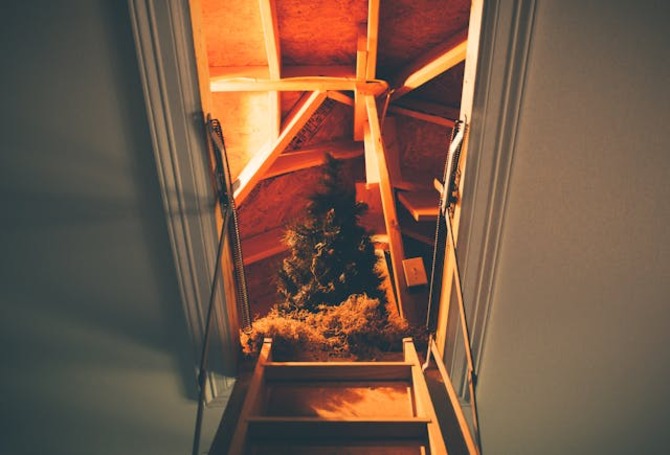
When was the last time you climbed into your attic and really looked around?
Not just to grab holiday decorations or stash away old yearbooks. I mean actually looked at it. The sloped ceilings. The quiet space. The square footage hiding in plain sight.
Across the country, people are rethinking how they use their homes. Remote work is no longer rare. Multi-generational living is more common. Housing prices are high and moving is expensive. In places like Orlando, Florida, where families balance growth with rising property values, every inch of space matters. Instead of buying bigger houses, many homeowners are asking a smarter question. What can we do with the space we already have?
Attics are often treated like storage bins with a roof. But they are far more than that. They are blank canvases. They are underused assets. They are opportunities.
In this blog, we will share how attic transformations can unlock hidden value, create functional new living areas and help you adapt your home to modern life without moving.
Read more:
- Comprehensive Roof Inspection Checklist for Homeowners
- Easy Home Upgrades to Maximize Energy Efficiency
- 6 Low-cost Home Upgrades for Comfortable Living
Clearing and Preparing the Space Strategically
Before any renovation begins, the attic must be cleared completely. Years of stored belongings often accumulate without much thought. Old furniture, seasonal decor, childhood keepsakes and forgotten boxes tend to gather quietly over time.
Many homeowners choose to temporarily relocate items to a reliable Orlando Florida storage facility during the renovation process. This approach creates a clean slate and protects valuables from dust or construction debris. It also allows the space to be evaluated accurately without obstacles in the way.
Decluttering the attic is often an eye-opening experience. Items stored for a decade or more may no longer serve a purpose. Sorting belongings into clear categories simplifies the process:
- Keep items that are actively used.
- Donate items in good condition but no longer needed.
- Discard damaged or outdated belongings.
- Digitize paper documents when possible.
Granted, letting go of stored possessions can feel emotional. Yet freeing the space opens practical opportunities. Once cleared, contractors can inspect insulation, wiring and framing more effectively.
Preparation also includes addressing moisture concerns. Attics must remain dry to prevent mold and structural damage. Ventilation systems may be upgraded during renovation to improve airflow. Insulation can be replaced with modern materials that improve energy efficiency.
Think of it this way: preparation determines success. A well-prepared attic supports a smoother, more cost-effective transformation. Skipping this step can lead to complications later.
Designing for Comfort and Practical Use
After structural evaluation and clearing, the design phase begins. This is where imagination meets practicality. The intended use of the space should guide every decision.
If the attic will serve as a bedroom, building codes typically require proper egress windows. These provide safety in case of emergency. Heating and cooling must also be extended to maintain comfortable temperatures. In warmer climates, proper insulation becomes especially important.
For a home office or creative studio, lighting plays a significant role. Sloped ceilings can feel cozy – but they require thoughtful fixture placement. Recessed lighting is often installed to conserve headroom. Skylights introduce natural brightness and can dramatically change the atmosphere.
Storage integration should also be considered. Built-in cabinets along knee walls utilize areas that would otherwise remain awkward and unused. Custom shelving can follow roof angles seamlessly.
In some cases, bathrooms are added during attic conversions. Plumbing can be routed upward, though this requires careful planning. The investment may increase overall property value if done correctly.
The goal is to create a space that feels intentional rather than improvised. Design choices should align with how the room will truly be used. Overcomplicating the layout often leads to wasted budget.
Increasing Home Value and Functionality
Attic transformations often increase overall home appeal. Additional living space is one of the most desirable features in residential real estate. Finished attics can add functional square footage without expanding the building footprint.
Usable living space tends to raise buyer interest significantly. Even if the home is not being sold soon, enhanced functionality benefits daily life. Families gain breathing room and hobbies gain dedicated areas.
Energy efficiency improvements frequently accompany attic renovations. Updated insulation and sealed air leaks can lower heating and cooling costs. Over time, those savings add up. The space becomes both practical and economically sensible.
Certainly, renovation costs vary based on scope. Basic attic finishing may require moderate investment, while full conversions with plumbing and structural reinforcement cost more. However, compared to major home additions, attic projects are often more financially manageable.
Moreover, the psychological benefit should not be overlooked. A previously neglected area becomes bright and purposeful. That shift alone can refresh how a home feels overall.
Navigating Challenges Thoughtfully
Despite the benefits, attic transformations require careful planning. Ceiling height must meet minimum standards in most jurisdictions. Sloped roofs can limit standing space if not addressed creatively.
Access is another factor. Pull-down ladders may need to be replaced with permanent staircases. While this change occupies some floor space below, it improves safety and convenience dramatically.
Noise insulation should also be considered. Attics are located near the roof, where rain and wind can be more noticeable. Adding soundproofing materials can reduce disruption.
In addition, electrical systems may need upgrading. Modern outlets, proper wiring and sufficient lighting are essential for functionality. These elements are typically inspected to meet local codes.
Granted, these challenges can feel complex. However, experienced contractors routinely manage them. Careful budgeting and clear communication prevent costly surprises.
As with any renovation, patience is required. The process unfolds step by step. Structural reinforcement comes first. Insulation follows. Drywall, flooring and finishing details complete the transformation.
A Space Waiting to Be Realized
Attics are often overlooked because they are out of sight. Yet above your ceiling lies untapped potential waiting for thoughtful attention. With proper preparation, strategic clearing and intentional design, that forgotten area can evolve into one of the most valuable spaces in your home.
What begins as a dusty storage zone can become a peaceful retreat – a productive office, or a functional guest room. The square footage already exists. It simply needs to be unlocked.
Put differently, the attic does not have to remain an afterthought. When transformed carefully and intelligently, it becomes a natural extension of the home below – practical, comfortable and surprisingly transformative.