

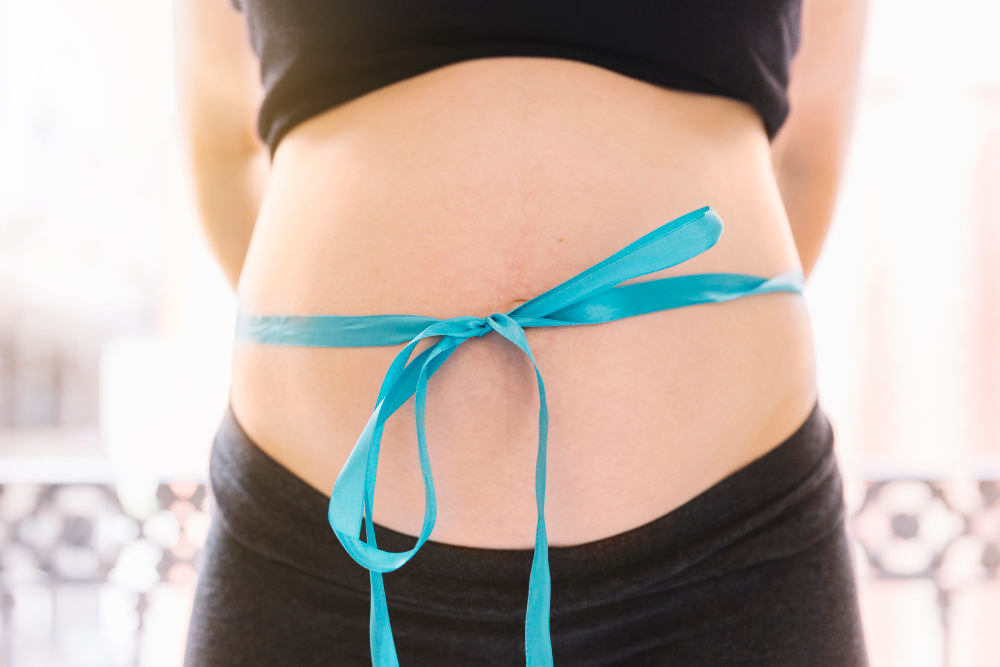
Why does the body sometimes feel unfamiliar after pregnancy, even when recovery seems complete?
Many women return to their routines, regain their strength, and settle back into everyday life, yet still notice that certain physical changes remain. The abdomen is often where those differences become most noticeable.
Loose skin, weakened muscles, and subtle shifts in body shape can linger long after childbirth. Around active communities like Orlando, where warm weather encourages an active lifestyle year-round, these changes can feel particularly visible in clothing and daily movement.
For many women, the question eventually shifts from weight to structure. If exercise and healthy habits have already returned, but the abdominal area still feels different, it often leads to a deeper curiosity about why the body changed in the first place. Understanding those post-pregnancy shifts helps explain why some women begin considering procedures like a tummy tuck.
Here are six post-pregnancy body changes that often lead women to consider a tummy tuck.
Read more :
- 7 Post-Pregnancy Body Changes a Mommy Makeover Can Address
- Can a Weight Loss Clinic Help You Post-Baby?
- How Do Surgeons Customize a Mommy Makeover for Different Body Types?
1. Loose Abdominal Skin
After pregnancy, the skin across the abdomen has already stretched to accommodate a growing baby. Once the body begins to recover, most women expect that skin to gradually tighten again. Sometimes it does, but other times, the elasticity simply doesn’t rebound the way it once did.
This can lead to folds or soft areas of skin that remain even when body weight returns to pre-pregnancy levels. Exercise strengthens muscles, but it cannot tighten skin that has permanently stretched.
While researching options for abdominal contouring, some eventually look into procedures like a tummy tuck in Orlando to better understand how excess skin removal works. The focus usually isn’t about a dramatic transformation. Instead, it’s about restoring a smoother abdominal contour when the skin itself no longer retracts naturally.
A clearer understanding of surgical options often emerges during consultations. Restoring abdominal structure after pregnancy is something specialists frequently evaluate at practices such as the Clark Institute for Aesthetics, where surgeons carefully assess how pregnancy has affected the skin and abdominal support structures. For many women, simply learning why the skin hasn’t tightened can be the first step toward exploring solutions.
2. Separation of the Abdominal Muscle (Diastasis Recti)
Another change that surprises many mothers is the separation of the abdominal muscles. During pregnancy, the growing uterus can gradually push the two vertical abdominal muscles apart. This condition, known as diastasis recti, often becomes noticeable after delivery.
The separation may leave a visible ridge or bulge along the center of the abdomen, especially when sitting up or engaging the core. While certain exercises can strengthen surrounding muscles, they do not always bring the separated tissue back together completely.
Women dealing with this issue often describe a feeling that their core no longer functions the same way it once did. The stomach may appear rounded even when body fat is low. Clothing may fit differently, and posture may even feel affected. In cases where the separation remains significant, surgical repair may be discussed as part of a tummy tuck procedure.
3. Bulge on the Lower Abdominal
Many women notice that the lower portion of the abdomen changes shape after pregnancy. Even when overall weight returns to normal, the area below the belly button may continue to appear fuller or less firm than before.
This bulge is sometimes caused by a combination of muscle separation, stretched skin, and weakened connective tissue. Traditional workouts often target the upper abdomen more effectively than the lower portion, which can make the change feel frustrating.
Some mothers say this is the moment when the difference between weight loss and structural change becomes clearer. The scale might look normal, and fitness levels may feel strong. Yet the lower abdomen still behaves differently than it did before pregnancy. For women experiencing this combination of factors, surgical tightening of the abdominal wall may eventually enter the conversation.
4. Stretch Marks and Skin Laxity
Stretch marks alone are common after pregnancy, and many women view them as a natural part of the process. What often draws attention, however, is the appearance of stretch marks alongside loose or sagging skin across the lower abdomen.
This combination can create a texture change that skincare products cannot easily address. Even when stretch marks fade over time, the surrounding skin may remain thinner or less elastic than before.
The result is not simply cosmetic. Clothing may sit differently across the stomach, and certain movements or positions can highlight the uneven surface of the skin.
Because a tummy tuck removes a portion of the lower abdominal skin, it can sometimes reduce the area where stretch marks are most concentrated. That practical benefit is often what leads women to research the procedure in the first place.
5. Difficulty Rebuilding Core Strength
Many new mothers return to exercise to rebuild their core. Pilates, strength training, and targeted abdominal exercises are common starting points. Yet some women notice that certain movements feel harder than expected even months after delivery.
This can happen when the underlying abdominal wall remains stretched or separated. The muscles may struggle to generate the same stability they once did, affecting posture and overall strength.
While physical therapy and targeted exercise programs can help many people improve core function, others find that structural changes remain despite consistent effort. When strength feels limited by underlying anatomy rather than conditioning, that realization sometimes leads women to explore surgical repair options.
6. A Shift in Body Proportion
Beyond specific symptoms, many women simply notice that their body proportions feel different after pregnancy. The waistline may appear less defined, even when overall fitness returns. The abdomen may sit differently relative to the hips and ribcage.
This shift in balance is often subtle but persistent. It can show up when clothing fits differently or when mirrors reflect a silhouette that feels unfamiliar.
For some women, the goal of a tummy tuck isn’t about creating a dramatically different appearance. Instead, it’s about restoring proportions that once felt natural to their body. Understanding the structural reasons behind those changes often helps people make informed decisions about whether surgical correction is worth considering.
Conclusion
Post-pregnancy body changes affect every woman differently. Some recover quickly with exercise and time, while others notice lasting structural shifts in the abdomen that don’t respond to lifestyle changes alone.
Loose skin, muscle separation, lingering bulges, and changes in body proportion are all common reasons women begin researching abdominal contouring procedures. These concerns are rarely about chasing perfection. More often, they reflect a desire to restore comfort, strength, and balance after pregnancy.
Understanding why those changes happen helps clarify the decision-making process. For women navigating life after childbirth, that clarity can be just as valuable as any cosmetic outcome.