

An injury can turn your normal routine upside down. Surgery can do the same. Even simple daily tasks start feeling harder than they should. You know that you are in a healing stage, but that inability to perform can be frustrating.
In a busy place like Cherry Hill, where there’s a strong desire to be up and about, this stage raises a lot of questions: How long will recovery take? And what can you actually do to expedite the process?
Recovery takes time. Still, the right support can make that time feel more productive, less uncertain. In many cases, physical therapy can support people in recovery to move better, feel stronger, and return to daily life sooner.
Here are four practical ways it helps speed up recovery after an injury or surgery.
Read more:
- Mindfulness Practices in Mental Health Therapy
- Enhancing Patient Wellness Through Innovative Rheumatology Services
- 5 Warning Signs It May Be Time to Consider Spine Surgery
1. It Gets You Moving Safely, Sooner
After surgery or a serious injury, rest is important. But too much rest can slow things down as muscles weaken and joints stiffen. On the other hand, moving too aggressively can set you back.
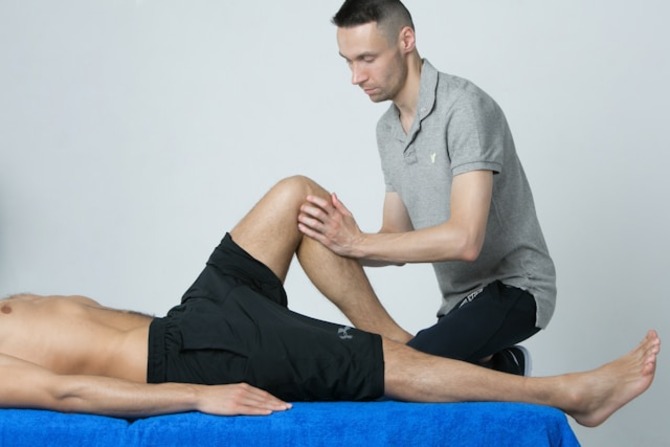
Physical therapy introduces movement at the right pace. Not too much. Not too little. In fact, when people start looking into options for Physical therapy in Cherry Hill, it is often because they are frustrated with being confined to a spot. They want structured guidance to get them moving again without overdoing it.
Notably, there’s a need for this guidance to match your exact condition and stage of healing. As outlined in a detailed guide from Premier Orthopaedic Associates, physical therapy plans are built around the individual rather than a general template. Whether you’re recovering from surgery, managing a chronic condition, or rehabilitating an injury, your therapist recommends what’s best for the situation. The goal is to restore physical function, mobility, and strength.
The key is supervision. A physical therapist helps you move at the right pace to prevent re-injury. This supports healing, helping you recover faster.
2. It Reduces Pain Without Relying Only on Medication
Pain is one of the biggest concerns during recovery. It can make you hesitant to move, and that hesitation can slow progress.
A therapy plan may include:
- Targeted stretching to reduce tension
- Strength exercises that support healing tissues
- Manual therapy to improve joint motion
- Education on posture and body mechanics
In practice, patients often find that as their strength and mobility improve, their pain levels begin to drop. This can also lower reliance on pain medication. Research published by the National Institutes of Health has shown that early physical therapy for certain conditions, like low back pain, is linked to reduced opioid use.
That matters. Pain relief is important, but so is long-term health.
3. It Rebuilds Strength Where You Lost It
Muscle loss can happen quickly. Even a couple of weeks of limited activity can lead to noticeable weakness. After orthopedic surgery, such as a knee or shoulder procedure, the muscles around that joint often need focused retraining.
Physical therapy does not just “exercise” the area. It retrains the body to work as a team again.
Each piece supports the other. When one area is weak, another part of the body often compensates. Over time, that compensation can lead to new aches and pains.
From experience, people are sometimes surprised by how much stronger they feel after a few consistent weeks of guided therapy. Simple tasks like climbing stairs or getting in and out of a car start to feel normal again. That is usually a turning point in recovery.
This newfound strength ultimately supports faster recovery as you are no longer limited by weak muscles and bones.
4. It Builds Confidence Along With Physical Progress
After an injury or surgery, many people feel overly self-conscious. Some even question their sense of self-worth. Physical therapy creates a safe space to test your limits gradually. Each small improvement builds trust in your body again.
You might start with simple range-of-motion exercises. Then light resistance. Then more complex movements. Over time, you realize you can do more than you thought.
This occurs in stages:
- First, you notice less stiffness
- Then you feel stronger
- Then daily tasks feel easier
- Finally, you stop thinking about the injury every time you move
That shift is powerful. Once you start feeling more capable, your self-confidence increases. Healing becomes less like a waiting game and more like steady progress.
A Thoughtful Recovery Makes a Difference
Healing after injury or surgery is rarely a straight line. Some days feel great. Others feel slow. That is normal.
Physical therapy helps bring structure to that process. It encourages safe movement, reduces pain, rebuilds strength, lowers the risk of re-injury, and restores confidence. Each piece supports the next.
Recovery will always require patience. But with the right guidance and consistent effort, it does not have to feel uncertain. Step by step, strength and stability come back. And so does the sense that your body is working with you again, not against you.