

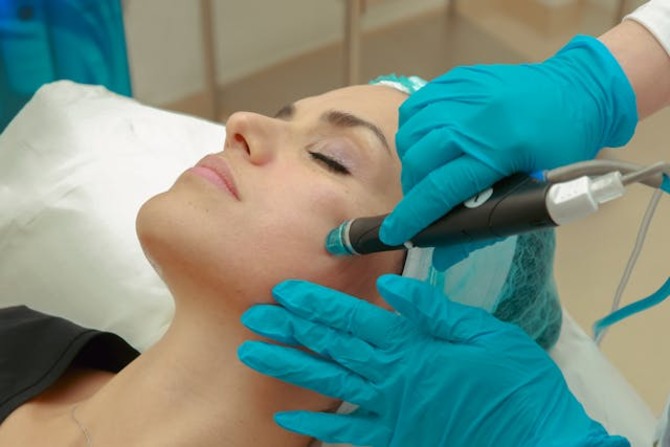
In Suwanee, many people start thinking about skin treatments when small changes begin to feel more noticeable. A little dullness that won’t go away. Fine lines that stay even after rest. Uneven tone that makeup no longer hides the same way. The challenge isn’t always deciding to try something. It’s figuring out what actually fits your concern.
There are so many options today, and they all promise improvement. Some help with texture. Others restore volume. Some focus on tone or firmness. Choosing the right one becomes easier when you connect the treatment to the exact change you’re seeing.
These six practical tips can help you narrow down which cosmetic dermatology treatment may make the most sense for your skin.
Read more:
- Healthy Habits, Happy Life: A Guide to Women’s Wellness and Beauty
- Green Beauty Elixirs: The Power of Sustainable Face Oil Serums
- Everyday Rituals That Redefine Confidence
- The Evolution of Beauty Standards: Exploring Cultural Shifts and Trends in Plastic Surgery
1. Fine Lines That Stay Visible May Need Smoothing Treatments
Expression lines show up when we smile, laugh, and talk. Over time, though, some of these lines begin to stay visible even when the face is relaxed. That’s usually the moment people start noticing that creams and home care no longer make the same difference.
At this stage, many begin exploring options like cosmetic dermatology in Suwanee, GA, to better understand which treatments can help soften lines that have settled in. These treatments are often designed to gently smooth the skin while keeping facial movement natural and expressive. During consultations at practices like the Center for Dermatology, this balance between smoothing and movement is often a central part of the discussion, especially when addressing lines around the eyes, forehead, and mouth.
The goal isn’t to erase expressions. It’s to help the skin look more rested and less creased when the face is at rest.
2. Texture Problems Usually Need Skin Resurfacing
If your skin feels rough, looks dull, or shows early signs of sun damage, the concern is often sitting on the surface. Texture changes tend to show up as patchiness, dryness, or a tired appearance that doesn’t improve with moisturizers alone.
In these cases, resurfacing treatments are often the direction people consider. Options that gently remove damaged outer layers can help reveal smoother, brighter skin underneath. Over time, this can improve how makeup sits and how the skin reflects light.
This approach is usually chosen by people who want their skin to feel fresher rather than tighter or fuller.
3. Volume Loss May Call for Support Beneath the Skin
As the years pass, the face can start to lose fullness, especially around the cheeks, under the eyes, and near the mouth. This can create a slightly hollow or tired look, even when you feel well-rested.
When volume loss is the main concern, treatments that restore support beneath the skin are often considered. These are designed to bring back subtle fullness and balance rather than change how you look entirely.
People often notice this stage when their face starts looking flatter in photos or when certain areas seem less defined than before. It’s a gradual shift, but once you see it, you can’t unsee it.
4. Loose Skin Often Points Toward Tightening Procedures
When the skin starts to feel less firm, especially around the jawline, neck, or cheeks, it’s usually a sign that elasticity has changed. This isn’t about wrinkles. It’s about support.
Tightening-focused treatments are often chosen at this stage. They aim to improve firmness and help the skin feel more lifted over time. These are different from resurfacing or smoothing options because they focus on structure rather than surface.
Many people notice this change when their profile starts looking softer or when the jawline doesn’t feel as defined as it once did.
5. Pigmentation and Spots Need Tone-Correcting Approaches
Dark spots, redness, and uneven color are among the most common concerns. These can come from sun exposure, hormones, or just time.
Tone-correcting treatments are often the direction here. They focus on evening out color and helping the skin look clearer overall. This can make a big difference in how fresh the skin appears, even without changing texture or shape.
This is often one of the first concerns people treat because the improvement is noticeable but still very natural.
6. If You Have More Than One Concern, You May Need a Combined Plan
Skin rarely changes in just one way. Many people notice texture, tone, and firmness shifts at the same time. In those cases, a single treatment may not address everything.
That’s when a combined approach starts making sense. One option might improve clarity while another restores volume or smooths lines. The idea isn’t to do everything at once. It’s to create a plan that addresses each concern in a balanced way.
This kind of approach often leads to results that feel more complete and more natural over time.
Conclusion
Choosing the right cosmetic dermatology treatment doesn’t have to feel confusing. It becomes much clearer when you focus on what your skin is actually showing you. Texture changes, volume loss, fine lines, and uneven tone all point in different directions.
The key is connecting the visible concern to the type of support your skin needs. When that connection is clear, the decision feels more practical and less overwhelming. Small, thoughtful steps often lead to the most natural and satisfying results.