

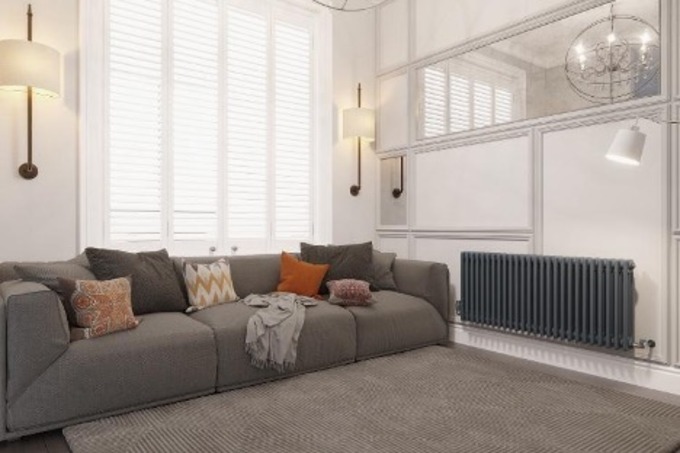
The living room is often the most used space in the home. It’s where families gather at the end of a long day, where guests are welcomed, and where quiet moments unfold with a book or a cup of tea. For many households, especially those juggling work, parenting, and everyday life, the living room must feel inviting and relaxed while still reflecting personal style.
Designing a space that balances comfort and aesthetics is about making thoughtful choices that support how you live and create a cohesive, visually pleasing environment. From layout planning to lighting and heating, every detail contributes to shaping a room that feels both practical and polished.
Start With How You Actually Use the Space
Before selecting furniture or choosing a paint colour, take a step back and consider how the living room functions in your home. Is it primarily a family space for movie nights and toy storage? A more formal entertaining area? Or a hybrid that shifts throughout the day?
Comfort begins with functionality. If children frequently use the space, durable fabrics and easy-to-clean surfaces should guide your decisions. If the room doubles as a workspace, zoning becomes important. A reading chair in one corner, a storage unit along a wall, and a central seating area can create subtle divisions without the need for physical barriers.
Mapping out movement through the room is equally important to avoid overcrowding pathways with oversized furniture. Leave enough space between pieces so the room feels open and easy to navigate. When the layout flows naturally, the room feels immediately more comfortable.
Read more:
- Design Tricks That Make Small Living Rooms Feel Spacious
- How to Choose Stylish Surfaces Built for Daily Living
- 3 Ways Families Can Make Temporary Living Feel Like Home
Rethink Heating as Part of the Design
Heating is often treated as a purely functional element, yet it occupies valuable wall space and can significantly influence the overall look of a room. Older, bulky radiators may disrupt a carefully curated interior. Updating this feature can make a noticeable difference to both aesthetics and comfort.
Today’s heating solutions are available in a wide range of shapes and finishes, allowing them to blend into contemporary schemes or act as subtle design features. When planning a living room refresh, consider whether your current fixtures support the look you aim to achieve.
For example, you can replace outdated units with modern radiators from ukradiators.com, designed to complement modern interiors. Choosing a streamlined or vertical model can free up wall space and contribute to a cleaner, more intentional layout. In this way, heating becomes integrated into the room’s visual language rather than competing with it. A well-heated room feels inviting year-round, reinforcing the sense of comfort you are trying to create.
Choose Furniture That Marries Form and Function
A comfortable living room often revolves around the sofa. Look for a design that provides proper support while complementing your overall aesthetic. Deep cushions and soft upholstery invite relaxation, while structured silhouettes and tailored finishes can add refinement.
Layering is key to achieving both comfort and style. Combine textures such as linen, wool, and cotton through cushions and throws. These smaller additions allow you to introduce colour and personality without committing to permanent changes.
Storage also plays a crucial role. Built-in shelves, media units, or discreet cabinets prevent clutter from dominating the space. A tidy room not only looks better but feels calmer. When everything has a place, it becomes easier to maintain a sense of order, even during busy weeks.
Coffee tables and side tables should be practical yet proportionate. A table that is too small can look lost, while one that is too large can overwhelm the seating area. Balance scale carefully, ensuring each piece serves a clear purpose.
Layer Lighting for Ambience and Practicality
Lighting has the power to transform a living room. Relying solely on an overhead fixture often results in harsh illumination and flat shadows. Instead, think in layers.
Start with ambient lighting, such as ceiling lights or recessed fixtures, to provide general brightness. Then add task lighting for specific activities, such as a reading lamp beside a sofa or a floor lamp near an armchair. Finally, introduce accent lighting through table lamps or wall lights to create warmth and depth.
Dimmer switches offer flexibility, letting you adjust brightness based on the time of day or occasion. Soft, warm-toned bulbs can make a space feel more relaxed, particularly during evenings when the living room becomes a place to unwind.
Use Colour and Texture to Create Cohesion
A balanced living room doesn’t need to rely on bold statements. Often, a carefully chosen colour palette provides enough impact. Neutral tones such as soft greys, warm beiges, or muted creams create a calm foundation. These shades allow furniture and accessories to stand out without overwhelming the space.
If you prefer more colour, introduce it gradually. A statement armchair, patterned rug, or curated gallery wall can add personality while maintaining harmony. The key is consistency. Repeating certain tones or materials throughout the room helps tie everything together.
Texture plays a similar role. A velvet cushion against a woven sofa, a wooden coffee table paired with a metal lamp, or a thick rug layered over hardwood floors can add depth. These subtle contrasts prevent the room from feeling flat while keeping the atmosphere comfortable.
Incorporate Personal Details Thoughtfully
A stylish living room should reflect the people who use it. Photographs, books, artwork, and meaningful objects give the space character. However, balance is important. Too many decorative items can create visual noise.
Select pieces that genuinely resonate with you and display them with intention. Grouping items in threes or arranging them at varying heights can create visual interest without overwhelming surfaces.
Plants are another effective way to combine comfort and style. Even a few well-placed houseplants can soften corners and introduce natural colour. Choose varieties that suit the light levels in your room to avoid unnecessary maintenance stress.
Conclusion
Designing a living room that balances comfort and style requires thoughtful planning rather than dramatic overhauls. Start by understanding how the space is used, then select furniture and layouts that support daily life. Consider overlooked elements such as heating and lighting, as these play a significant role in both functionality and aesthetics.
When each component works together, the result is a room that feels welcoming yet refined. With careful decisions and a focus on practical beauty, your living room can become a space that supports family life while reflecting your individual taste for years to come.