

Traditions and customs are often influenced by history, generations, country, ethnicity, geography, and religious upbringing.
The British Crown family is no stranger to traditions passed down through the years, especially when it comes to royal weddings.
Some of the British crown family wedding traditions include, tiaras, wedding attire, Welsh gold, wedding flowers, the wedding party, royal approval, respect for sacred spaces, and special remembrances. They also include two receptions, fruit cake, royal portraits, and engagement announcements.
Although one might expect opulence and pageantry from the British monarchy, most of their traditions are quite modest, focusing instead on history and duty, sprinkled with the bride and groom’s personal taste.
Let’s take a look inside the British crown family’s wedding traditions.
Read more:
- Which Is A Common Symbol Of Love And Commitment?
- Best Wedding Dresses to Match with Black Diamond Engagement Rings
- How To Choose a Family-Friendly Wedding Venue
- What Does it Mean When You Dream About Weddings?
British Royal Crown Wedding Traditions
Far from spectacle and glitz, the British crown family wedding traditions are grounded in history, duty, and meaning.
Tiaras – Beyond Opulence
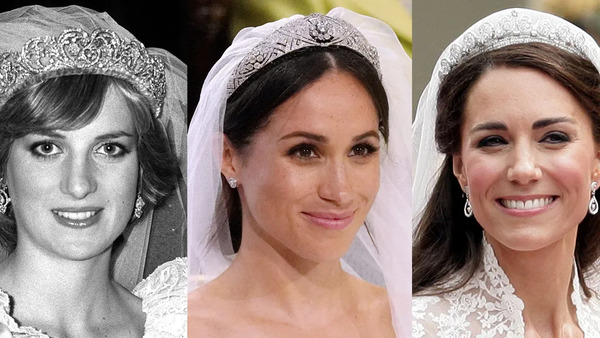
Often seen as a symbol of status and wealth, tiaras represent betrothal and unavailability for the wearer. In fact, the first time a woman ever wears a tiara is on her wedding day.
The sparkly headwear is typically a family heirloom, as was the case for Princess Diana, who wore The Spencer Tiara for her 1981 wedding to Prince Charles.
In some cases, it is borrowed from the groom’s family. For Prince William and Catherine Middleton’s nuptials, Queen Elizabeth let the Cartier Halo Scroll Tiara be the bride’s “something borrowed.”
Wedding Dress Traditions
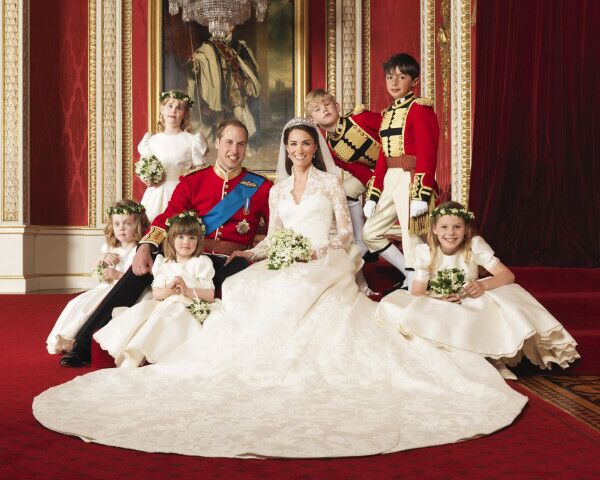
A wedding dress is a great way to feature the royal couple’s connections to their family, country, and the British monarchy.
This is done by spotlighting flowers and symbols on appliques, beadwork, or crests. Additionally, sewing a charm into the lining of the dress is supposed to bring luck to the blessed couple.
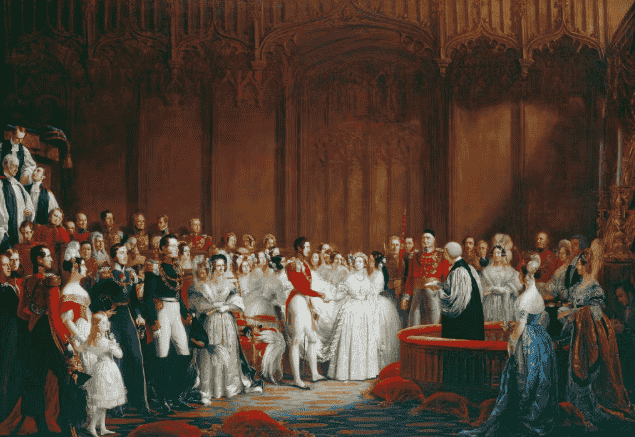
Furthermore, according to Historic Royal Palaces, the white wedding dress tradition was started by Queen Victoria in her wedding to Prince Albert in 1840 when she decided to don an ivory, silk and satin dress instead of the traditional royal robes.
Groom’s Special Wedding Attire
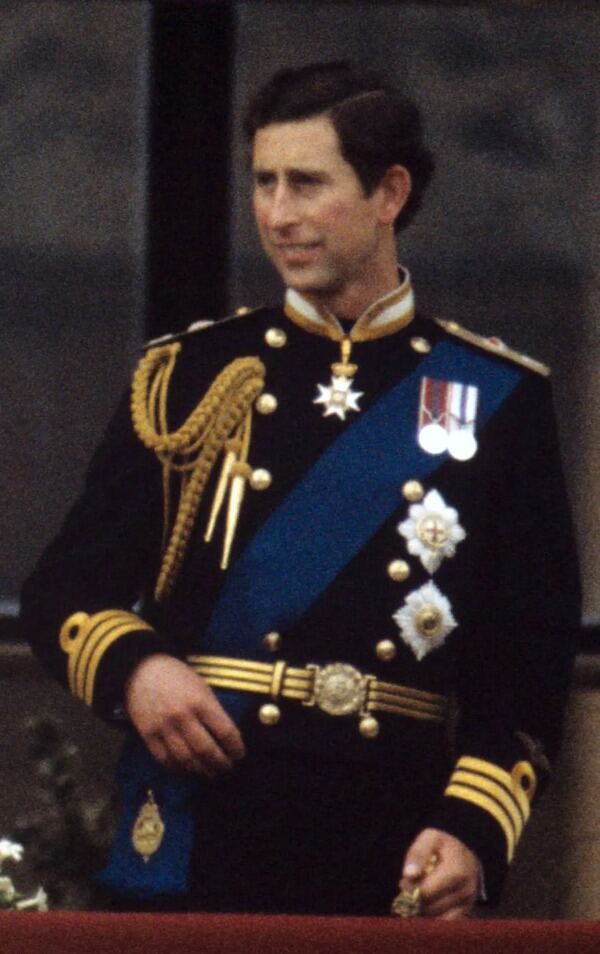
Men of the British royal family hold military ranks throughout their careers due to their participation in military service. As such, it is only natural that they be expected to wear their full military uniforms.
As tradition dictates, Prince William wore the Irish Guards uniform, featuring a bright red coat in his 2011 wedding to Kate Middleton, while his father, Prince Charles, a Commander in the Royal Navy, wore his ceremonial day dress uniform in his wedding to Princess Diana.
Welsh Gold
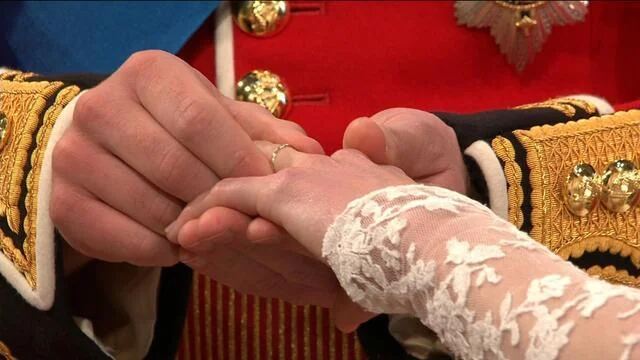
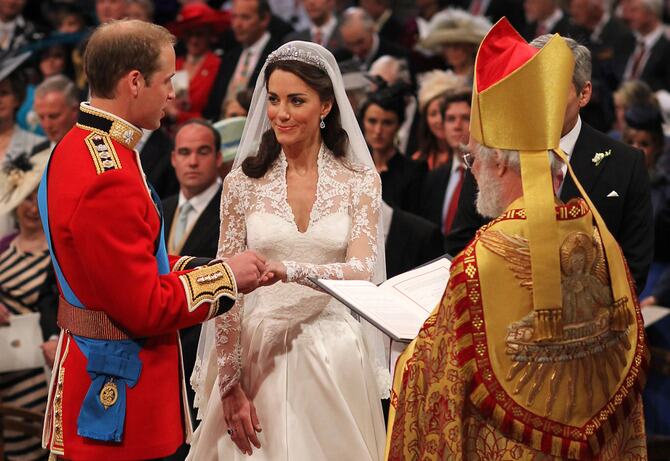
In 1923, Queen Elizabeth, The Queen Mother, began the tradition that all royal crown wedding rings be made from a nugget of pure Welsh gold from the Clogau St. David’s mine in Wales.
According to Laura Windsor, founder of the Laura Windsor Etiquette Academy, “Welsh gold holds up to thirty times more value than any other gold in the world.”
Every royal bride since The Queen Mother has had their wedding bands made from the same nugget.
However, because only a small sliver of the original nugget remains, brides after the current Princess of Wales have had their wedding bands made from a new nugget from the same mine to continue the tradition.
Royal Approval
Permission to Marry
According to Brides, “Any royal that sits within the immediate line of succession – up to sixth in the line – is required to get permission from the monarch to marry.”
Guest List Final Say
Just as any royal in the line of succession must ask for approval from the reigning monarch to marry, so must they have final say on the wedding guest list.
In fact, the queen is the only crown royal who can send out invitations since she is the host of the royal nuptials.
Respect for Sacred Spaces
While kissing the bride at the end of the ceremony may seem romantic, the Church of England forbids kissing within sacred spaces, such as Windsor Castle and Westminster Abbey.
As a result, kissing outside the church or chapel has become a British royal tradition out of respect for sacred spaces.
Gesture of Remembrance
The British crown tradition where the royal bride lays her bridal bouquet at the Tomb of the Unknown Warrior was started in 1923 with Queen Elizabeth, The Queen Mother.
Lady Elizabeth placed her flower bouquet as she entered Westminster Abbey in remembrance of her brother, Fergus, who died in 1915 in the Battle of Loos. It was also her way to pay tribute to the millions of soldiers lost or injured during World War I.
Since then, this time-honored royal tradition has been adapted. Brides now leave their bouquet as they exit the church.
Royal Cake
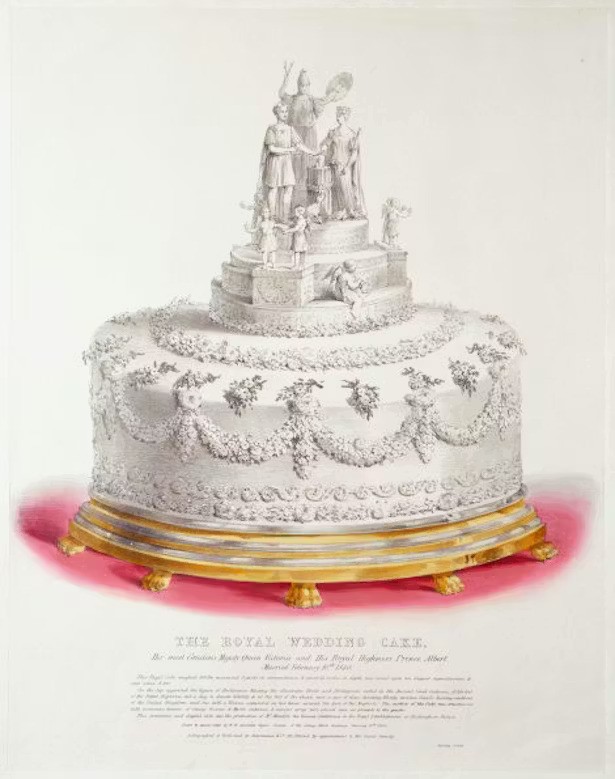
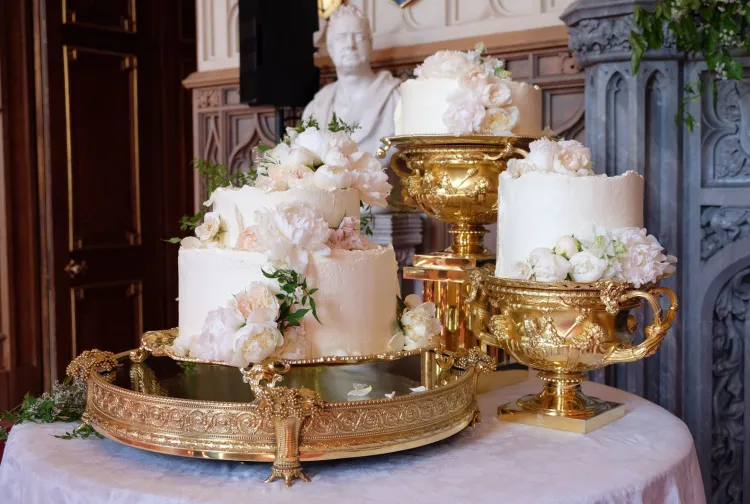
It has been a long-held British crown tradition to have a tiered fruit cake decorated with iced scrolls, leaves, and flowers as the royal wedding cake.
Although there are other options, such as English plum cake, Queen Victoria’s wedding cake choice, most opt for fruit cake due to its sturdiness and shelf-life since sending guests a slice of royal wedding cake in a commemorative tin is part of the royal family’s tradition.
Additionally, it is customary for the royal couple to save the top tier of fruit cake for the christening of their first-born.
Two Receptions
It is customary for British royal weddings to have two receptions.
Wedding ceremonies typically take place midday and are followed by a wedding breakfast and an evening reception.
The wedding breakfast is more like an afternoon luncheon or stand-up party where supporters of the royal’s charity work and dignitaries enjoy a wide selection of canapes, truffles, and tartlets with champagne.
The evening reception traditionally includes a slimmed down guest list with family and friends where they can enjoy an intimate sit-down dinner and fun dancing.
Royal Portraits
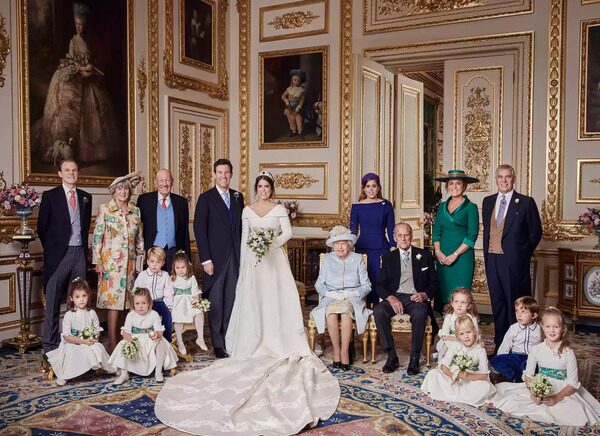
Typically taken between the wedding ceremony and the wedding breakfast, royal wedding portraits include the bride and groom’s families, flower girls, and the page boys.
Photographs of smaller family groups are also be taken at this time.
Special Wedding Parties
British crown family weddings don’t tend to include a maid of honor or a best man. They do, however, include children-only wedding parties.
Flower girls, page boys, and ring bearers are traditionally the children of the royal family since children are viewed as a symbol of joy and innocence.
Wedding Flowers
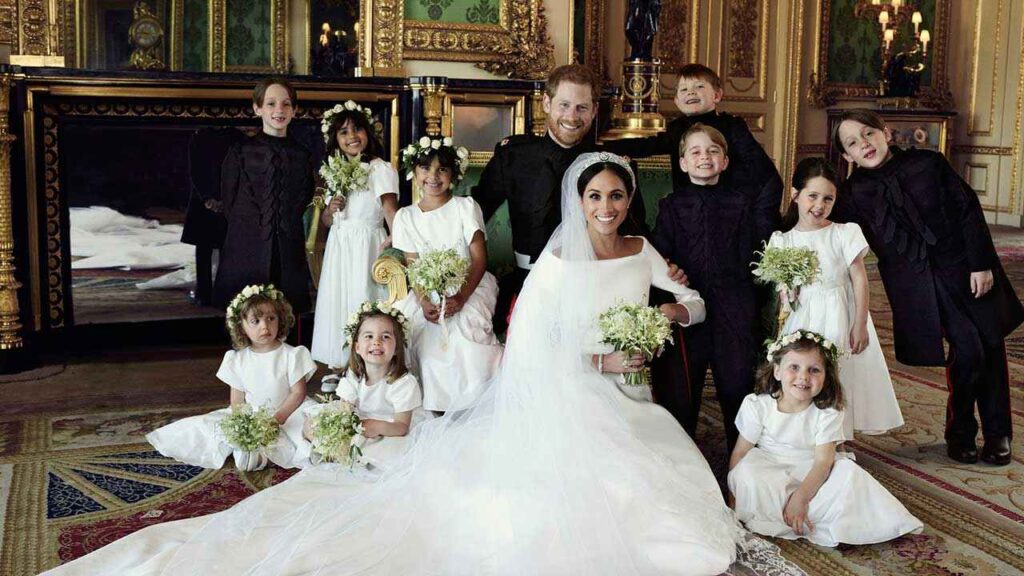
Traditionally, British royal weddings include seasonal, local flowers.
Additionally, royal wedding bouquets include myrtle, which symbolizes love, purity, and fertility, a tradition that was started by Queen Victoria.
Myrtle has been growing at the Osborne House, Queen Victoria’s holiday home in the Isle of Wight since 1845.
Incorporating flowers with a special meaning is also a royal wedding tradition.
Engagement Announcements
It is a British royal crown tradition to send out formal engagement announcements, first to the monarchy and their families.
The royal couple then shares the joyful news with the British prime minister followed by a public announcement.
It has also become customary for the royal couple to participate in interviews and share an engagement portrait.
Sources
https://www.brides.com/royal-wedding-etiquette-rules-traditions-8748926
https://www.hrp.org.uk/kensington-palace/history-and-stories/a-history-of-royal-weddings
https://www.stylemepretty.com/2022/07/10/10-british-royal-wedding-traditions-for-the-crown-obsessed-bride
https://www.royal.uk/royal-wedding-traditions