

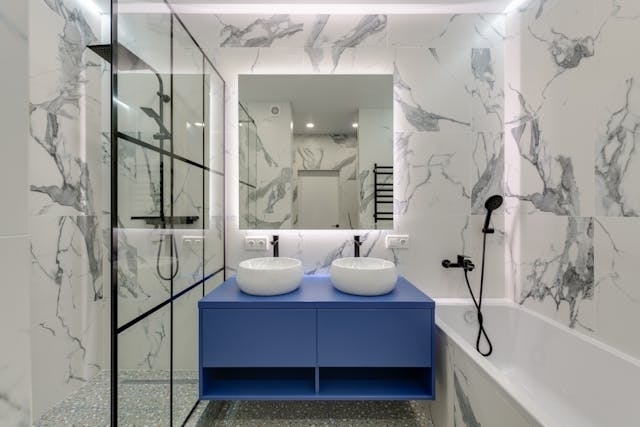
Your bathroom is one of the most used spaces in your home, yet it’s often the last one to get thoughtful attention. You start and end your day there, move through daily routines there, and rely on it for comfort and convenience more than you may realize. Over time, wear and tear, outdated layouts, or changing needs can make the space feel less functional than it should.
Maybe the layout feels cramped, the shower isn’t easy to use anymore, or the overall look no longer matches how you want your home to feel. Bathroom updates can solve many of these issues, but they also come with decisions that go beyond choosing tile or fixtures. Plumbing placement, accessibility, durability, and long-term comfort all play a role.
Before you begin planning colors or finishes, it helps to step back and understand what really matters when updating a bathroom. A thoughtful approach makes the difference between a short-term refresh and a space that works well for years to come.
Read more :
- Upgrading Your Bathroom: What to Prioritize for Functionality and Style
- 10 Smart Ways to Refresh Your Bathroom Without a Full Remodel
- Turn Your Bathroom into a Luxury Spa in 10 Simple Steps
- Top 12 Benefits of Bathroom Remodeling
- 9 Things to Do When Renovating Your Bathroom
Understanding Your Bathroom’s Current Layout and Limitations
Before making any changes, you need a clear understanding of how your bathroom works right now. Layout plays a major role in what’s possible, especially when it comes to plumbing, space, and movement. Fixtures like toilets, tubs, and showers are usually placed where plumbing already exists, and moving them can add time and cost to an update.
This is where professional insight becomes valuable. If you’re trying to improve function, safety, or space without unnecessary complications, working with experienced bath specialists can help you see options you might not notice on your own. If you’re looking for guidance on how to improve layout, upgrade showers or tubs, and create a bathroom that fits your daily routine, companies like the Thompson Bath highlight how professional planning and installation can help homeowners turn outdated bathrooms into safer, more comfortable spaces without guesswork.
Evaluating your current layout first helps you make smart decisions later. It keeps expectations realistic and ensures every upgrade serves a real purpose instead of just changing appearances.
Defining Your Goals for the Bathroom Update
Once you understand your starting point, the next step is deciding what you actually want to improve. Bathroom updates work best when clear goals, rather than trends, guide them. Ask yourself what isn’t working right now. Is it limited space, poor lighting, lack of storage, or difficulty getting in and out of the shower?
Your goals may also depend on who uses the bathroom most. A primary bathroom may need comfort and storage, while a guest bathroom may focus on simplicity and easy maintenance. Some homeowners want a quick refresh, while others want to improve safety and accessibility.
When you define your goals early, every choice from layout to materials becomes easier. You’re no longer guessing what looks good; you’re building a space that supports how you actually live.
Budget Planning and Cost Expectations
Bathroom updates can vary widely in cost, depending on the size of the space and the type of changes involved. Simple upgrades like replacing fixtures cost less than full remodels that involve plumbing or layout changes. Understanding this range helps you plan without surprises.
It’s important to budget not just for visible features but also for behind-the-scenes work; plumbing updates, waterproofing, and proper installation matter just as much as surface finishes. Setting aside a small buffer for unexpected issues like hidden water damage can save stress later.
A realistic budget helps you prioritize what matters most. You can focus spending on upgrades that improve daily comfort while choosing practical options elsewhere.
Choosing Materials That Balance Style and Durability
Bathrooms deal with moisture, temperature changes, and daily use, so materials need to do more than look good. Flooring, walls, and surfaces should resist water and be easy to clean. Choosing durable materials reduces maintenance and helps your bathroom look better longer.
While style is important, durability should guide your decisions. Materials that hold up well in wet environments protect your investment and reduce the chance of future repairs. A balance between appearance and function ensures your bathroom feels fresh without becoming high-maintenance.
Comfort Features That Make a Real Difference
Comfort often gets overlooked in bathroom updates, but it plays a huge role in how enjoyable the space feels. Lighting affects everything from visibility to mood. Bright, well-placed lighting makes daily tasks easier, while softer lighting creates a relaxing atmosphere.
Ventilation is just as important. Proper airflow helps control moisture, prevents odors, and protects finishes. Temperature comfort also matters, especially during colder months when bathrooms can feel chilly.
Small comfort upgrades may not be flashy, but they significantly improve how the space feels every day.
Storage and Organization Considerations
Clutter can make even a newly updated bathroom feel cramped. Storage planning is key to keeping the space functional and easy to use. Cabinets, shelving, and built-in storage help keep essentials within reach while maintaining a clean look.
Think about what you use daily and what can be stored away. A smart organization reduces stress and keeps countertops clear. When storage works well, the bathroom feels larger and more comfortable without changing its footprint.
Accessibility and Future-Proofing Your Bathroom
Even if accessibility isn’t a current concern, planning for the future is a smart move. Features like walk-in showers, non-slip surfaces, and wider layouts improve safety and usability for everyone. These updates don’t have to make the bathroom look clinical or outdated.
Designing with long-term needs in mind adds flexibility. It allows the bathroom to adapt as your lifestyle changes, reducing the need for future renovations. A bathroom that’s easy to use today and tomorrow offers lasting value.
Timeline, Disruption, and Daily Life During Updates
Bathroom updates can temporarily disrupt daily routines, especially if it’s the only bathroom in the home. Understanding the timeline helps you prepare and reduce inconvenience. Planning for alternative arrangements keeps stress levels low during the process.
Clear communication and preparation make a big difference. Knowing what to expect helps you stay patient and focused on the result, a better, more functional space.
Long-Term Benefits of a Thoughtful Bathroom Update
A well-planned bathroom update improves more than just appearance. It enhances comfort, safety, and ease of use every day. When upgrades are done thoughtfully, the space becomes easier to maintain and more enjoyable over time.
Instead of reacting to problems as they arise, you gain a bathroom that supports your routine and adapts to future needs. The benefits show up daily, whether you’re getting ready in the morning or winding down at night.
Updating your bathroom is about more than new fixtures or finishes. It’s an opportunity to improve comfort, function, and long-term usability in one of the most important spaces in your home. By understanding your layout, defining clear goals, planning your budget, and choosing durable solutions, you set yourself up for success.
When you approach the process thoughtfully, your updated bathroom becomes a space that truly works for you, today and in the years ahead.