

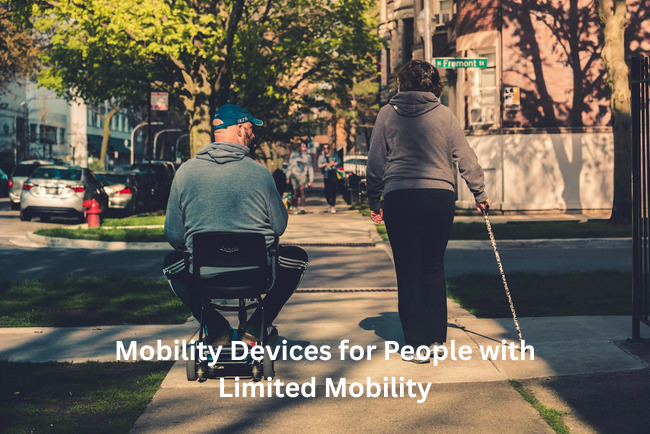
Mobility devices have made a huge difference for millions of people living with limited mobility. They let senior people stay involved in daily life and hold onto their independence. Whether we’re talking about a basic cane or a high-tech power wheelchair, there’s something out there to fit just about anyone’s needs. Knowing what’s available – and how these devices differ – matters a lot for healthcare providers, caregivers, and anyone hoping to find the right fit for more independence.
Walking Aids: Basic Support for Stability and Balance
Walking aids are usually the first thing people turn to when they want a little extra help getting around. They’re built to make you feel steadier on your feet and cut down the chances of taking a spill.
Canes
Canes are really just for light support – great if your balance is a bit off or your leg feels a little weak. There are a few different styles out there. A standard cane (with just one tip) gives a touch of help, while a quad cane – with four small legs – offers more stability. Most canes are pretty light, easy to carry, and won’t cost you much, which is why they’re so popular if you just need support now and then.
Picking out the right cane actually matters. You want it to line up with your wrist when you’re standing straight, and the handle should feel good in your hand, so it doesn’t strain your grip. A lot of modern canes put some thought into ergonomic handles too, so there’s less pressure on your hands and wrists while you use them.
Walkers
Walkers give you more stability than canes, thanks to their solid, weight-supporting frame. They’re a good fit if you’re recovering from surgery, have moderate balance problems, or get tired easily when you walk.
You’ll find a few main types:
- Standard walkers: No wheels – so you have to lift and move the whole frame with each step.
- Two-wheeled walkers: Wheels in front make these a little easier to push and steer.
- Rollators (four-wheeled walkers): These come with hand brakes, a seat, and a basket for carrying things. Rollators work well, whether you’re inside or out.
The right walker depends on your situation – what you need for support, where you plan to use it, and day-to-day life.
Manual Wheelchairs: Self-Propelled or Attendant-Propelled Options
Manual wheelchairs remain a cornerstone of mobility solutions. This vehicle offers independence for those with limited walking ability.
Standard Manual Wheelchairs
These wheelchairs can be self-propelled with those big wheels in back, or pushed by someone else if needed. They’re a good option for short – or medium-term use – think recovering from an injury or surgery. They won’t break the bank, and you can find them just about anywhere. But, if you’re on your own, they do take some upper-body strength to maneuver, which isn’t always easy for everyone.
Lightweight and Transport Wheelchairs
Lightweight wheelchairs are a lot easier to handle and move around – great if you like to stay active. Transport chairs are a bit different. With smaller rear wheels, they’re meant for someone else to push you (not self-propelling). They’re really compact and fold up quickly, so they’re especially handy for travel or quick trips out.
Power Wheelchairs: Advanced Mobility with Minimal Effort
If you don’t have the strength or stamina for a manual wheelchair – or you’re dealing with more severe disabilities – a power wheelchair can give you real independence without much physical effort. It makes getting around a whole lot easier when pushing just isn’t possible. In case you travel a lot, consider the Jazzy Carbon HD Ultra-Lightweight Power Wheelchair that can be easily folded and put in the car trunk. For those who require a big-sized device, a heavy-duty wheelchair provides solid durability and stability off-road.
Standard Power Wheelchairs
These devices run on batteries and can be steered with a joystick or another type of control. They’re built for both indoor and outdoor use, letting you adjust your seat, set your speed, and rely on solid safety features.
Power wheelchairs are especially helpful for people dealing with progressive conditions like multiple sclerosis or serious arthritis. A lot of models also come with custom seating to help prevent pressure sores and support better posture.
Heavy-Duty and All-Terrain Power Wheelchairs
Designed for the outdoors, these models come with bigger wheels, sturdier frames, and can handle more weight. They’re built to tackle rough ground, grass, and bumpy paths-great if you’re active or live somewhere rural. But keep in mind, their larger size can make it tougher to get around indoors.
Mobility Scooters: Ideal for Longer Distances and Outdoor Use
Mobility scooters are a go-to for people who can handle short walks but need a little help when they’re out and about for longer stretches.
Three-Wheel Scooters
These scooters turn on a dime. That’s really their thing – slipping through tight corners, making store aisles or skinny hallways feel a lot less claustrophobic. Sure, you can take them outside for a limited time, but indoors is where they actually work best.
Four-Wheel Scooters
Four-wheel scooters offer more stability, which makes them a solid pick for getting around outside or on rough ground. People often use them for things like outdoor events or travel – they hold up well in those situations.
If you’re picking out a scooter, think about how portable it is, the battery range, how much weight it can handle, and comfort features like adjustable seats or suspension. All of these make a difference in how well the scooter fits your day-to-day needs.
Standing Aids and Transfer Devices: Support Beyond Movement
Mobility isn’t just moving from point A to point B. It’s also about being able to stand safely, shift positions, and move yourself around when you need to.
Standing Frames and Wheelchairs
Standing aids help you get upright, which can boost your circulation, cut down on muscle contractures, and just make you feel better overall. Standing wheelchairs mix that ability to stand with the freedom to move around, so you get both the health perks and more independence – all in one piece of equipment.
Transfer Boards and Patient Lifts
If someone isn’t able to stand on their own, a transfer board can help them slide safely from one spot to another – like moving from a wheelchair to a bed. In care facilities, mechanical or powered patient lifts are basically a must. They help keep both patients and caregivers safer by making transfers less risky and a lot easier on everyone involved.
Factors to Consider When Searching for a Mobility Device
Consider these when picking out a mobility device:
- Level of mobility and strength – determines whether a manual or powered option is best.
- Lifestyle needs – indoor vs. outdoor use, travel frequency, and activity level.
- Environment – home accessibility, terrain, and available storage space.
- Budget and funding – costs vary widely; insurance coverage or funding programs may apply.
- Comfort and ergonomics – proper seating and posture support are crucial for long-term use.
Seeing an occupational therapist or mobility specialist is recommended. The right assessment actually means you get a medical device that works with your life, not against it.
Conclusion
Mobility devices come in a myriad of shapes and sizes, from basic canes to advanced power wheelchairs. Each one’s designed for different ability levels and daily routines. Knowing what each device can and can’t do helps people find the best fit for their own needs. The right mobility aid isn’t just about getting around – it’s about staying safe, feeling confident, and holding on to as much independence as possible.