

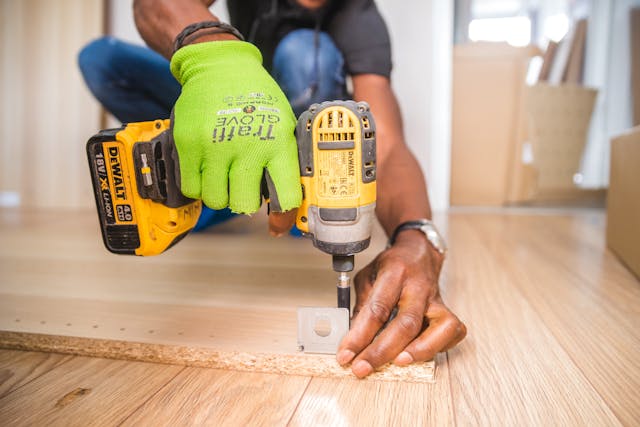
Ever find yourself looking around your home and thinking, “How did this place get so tired without me noticing?”
You’re not alone. Most people get used to their space in a way that blinds them to its slow drift toward clutter, wear, or just plain blah. But the reality is that your home doesn’t need a full renovation or TV-worthy transformation to feel better—it just needs smarter attention. In this blog, we will share straightforward tips to improve your home that won’t waste your time, energy, or money.
Read more :
- Top Home Upgrades To Improve Long-Term Value And Aesthetics
- Why Home Renovations Often Trigger HVAC Surprises
- Minor Upgrades that can make a Big Impact in Your Home
- Here’s How to Create a Home Improvement Plan That Fits Your Budget
Start With the Spaces You Actually Use
You could paint the guest room or rearrange the office for the fourth time, but if you’re not using those rooms daily, the payoff is weak. Focus first on the places where your routine happens: kitchen, bathroom, entryway, main living area. These zones do the most heavy lifting in your home and send the strongest signals about how well your space is working.
Look at how you move through those rooms, not how they look on Instagram. Is the lighting functional? Can you reach what you need without knocking over everything else? Are there bottlenecks where traffic jams happen every day? If you’re sidestepping laundry baskets or digging through overstuffed drawers just to start your morning, the house isn’t helping you—it’s making your life harder.
Make Real Impact by Upgrading What You Touch Most
Improving your home doesn’t always mean changing everything. In many cases, upgrading the things you physically interact with every day delivers more value than any decor swap. Light switches, faucets, drawer pulls, doorknobs—these are the parts of your home that pass through your hands constantly. If they’re clunky, outdated, or half-working, they chip away at your experience in small but relentless ways.
Bathrooms, in particular, are full of daily friction. Whether it’s poor lighting, dated hardware, or fixtures that make routine feel like a chore, this is one area where professional updates carry weight. Bathroom remodeling done by professionals—not weekend-warrior DIY—can dramatically shift how you experience your home. And it’s not about turning your space into a spa. It’s about flow, efficiency, and durability. A pro brings in design logic you might miss, especially when it comes to drainage, ventilation, or tilework that won’t crack within a year. And unlike surface-level fixes, a properly remodeled bathroom can actually raise your property value while reducing long-term maintenance.
Beyond resale, it changes your mornings. Good lighting, smart layout, reliable water pressure—it all adds up. And when someone with actual trade skills handles the work, you avoid the hidden cost of shortcuts, misaligned fittings, or the slow leak that quietly damages your subfloor. These aren’t YouTube tutorial projects. They’re built-to-last upgrades that pay for themselves in function and peace of mind.
Everyday appliances like ovens, washers, dishwashers, and dryers are also items you touch and rely on every day. Ensuring they are installed correctly and repaired when needed helps reduce daily friction and keeps your home running smoothly.
Don’t Just Declutter—Reclaim Your Surfaces
The home organization movement has gone from minimalist fantasy to survival strategy. As more people work from home and blend living with productivity, the need for clean, usable surfaces has grown. Not just for appearances, but to actually breathe in your space.
Start by clearing off one surface you rely on—your dining table, your desk, the kitchen counter. Don’t organize around the clutter. Remove it. Ask what purpose that surface needs to serve every day, and only return what supports that function. It’s not about having nothing there—it’s about having the right things.
Most clutter comes from items waiting for a decision: mail, chargers, returns, receipts, clothes that aren’t dirty but not clean either. Create landing spots for these in the form of bins or labeled drawers, so the clutter doesn’t overtake your visual field. When your surfaces are clear, the space feels bigger, cleaner, and easier to use—even if nothing else changes.
You don’t need to toss everything or live like a monk. Just reduce the visual noise. A table free of unopened mail signals calm. A dresser not buried under unfolded laundry gives you back your room. These aren’t aesthetic victories. They’re practical ones.
Refocus Your Energy on Comfort Over Impressiveness
It’s tempting to make improvement decisions based on how your home will look to guests. But the reality is, guests come and go. You live here. Design for your comfort first.
That might mean blackout curtains instead of sheer panels that match your Pinterest board. It might mean replacing a fancy coffee table with something rounder and safer because your kid keeps running into it. Or switching to carpet tiles in your den because they’re easier to clean when life inevitably spills something sticky at 7 p.m.
Comfort doesn’t mean sloppy—it means supportive. It’s a couch that fits your body, a chair that doesn’t dig into your spine, a reading lamp where you actually read. This kind of personalization turns a house into a refuge. You stop trying to maintain a magazine image and start designing around how you actually live.
It’s also worth noting that the idea of “home pride” is shifting. Fewer people are worried about how upscale their kitchen looks. More people are asking if they can cook dinner while talking to their kids and not burning the garlic. The aesthetics are still there, but they serve the function—not the other way around.
Focus Less on Big Projects, More on Daily Payoff
The trend right now leans toward giant renovation moments—tear down walls, convert garages, blow out the back of the house. But the smartest improvements are often invisible to outsiders and invaluable to those who live with them.
Install better lighting in your closets so you stop guessing at outfit colors. Add a boot tray by the door to contain mess before it spreads. Put motion lights in dark hallways so you stop fumbling with switches at night. These changes aren’t flashy, but they earn their keep every day.
If you’re going to spend time and money on your home, it should work better for you—not just look better. You don’t need a complete overhaul. You need friction removed. Energy saved. Comfort returned. And none of that has to come with a massive price tag or lifestyle disruption.
Just start where you are. Fix what bugs you. Upgrade what you touch. Build around how you live. The rest? That’s just decoration. And once your home starts helping you instead of working against you, you’ll wonder why you waited so long to make it happen.